
Why “Fritha” by Camel Feels So Human
The meaning of Fritha Camel becomes clearer when listeners see where the music comes from. This is not a random instrumental title. It is part of Camel’s 1975 concept album inspired by Paul Gallico’s The Snow Goose, a novella about friendship, tenderness, and loss set against war. In that story, Fritha is a young girl who meets the isolated artist Rhayader while trying to help an injured bird. Camel turns that emotional turning point into music.
"Fritha" - Camel
fleftened, but her concern for the Snow
Goose overcomes her fear.
Loading lyrics...
Unable to load lyrics
We're unable to display the lyrics at this time. Please try again later.
Because there are no sung lyrics, interpretation depends on story context, melody, and atmosphere. That makes “Fritha” a great example of how progressive rock can tell a narrative without saying much at all.
Where the Track Comes From
Camel’s album was based on Gallico’s novella, first published in 1941 after appearing in shorter form in 1940. The book follows Rhayader, a disabled painter living alone in an Essex lighthouse, Fritha, a local girl, and the wounded snow goose that brings them together. The story later expands into sacrifice during Dunkirk, but “Fritha” belongs to the earlier, gentler part of the narrative. According to the novella summary, Fritha is at first afraid of Rhayader, yet her concern for the bird outweighs that fear.[^1]
That small moment matters. It establishes the emotional logic of the whole story: kindness crosses distance before love or tragedy ever arrive.
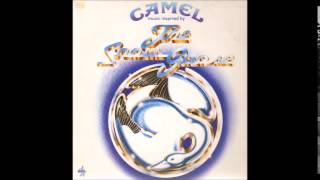
Watch the official Fritha
music video
The Core Meaning in One Idea
At its heart, “Fritha” is about compassion defeating fear. The brief lyric-style summary provided in the album’s story notes says she is fleftened
, but her concern for the Snow Goose overcomes that feeling. Even with the typo, the idea is plain. Fritha sees someone strange and intimidating, but chooses care over retreat.
Interpretation: Camel uses Fritha to represent innocence that is not weak. Her empathy gives her courage. In that sense, the meaning of Fritha Camel is not just about a character introduction. It is about the first act of trust in a story built on loneliness, healing, and eventual loss.
How the Story Beat Shapes the Music
A Portrait of Hesitation and Warmth
Instrumentally, “Fritha” feels delicate rather than dramatic. Camel often builds emotion through guitar phrasing, keyboard color, and soft dynamic changes instead of sharp, heavy riffs. That approach fits the scene. The music can be heard as moving from uncertainty into openness, much like a child stepping toward a stranger for the sake of an injured creature.
Listeners familiar with Andrew Latimer’s style will notice how his melodic playing often sounds vocal even without words. Here, that quality helps the track act like a character sketch. It does not need a chorus to tell them how Fritha feels; the tune itself suggests caution melting into sympathy.
Why Fritha Matters So Much
Fritha is not just a side figure in the larger Snow Goose story. She is the human bridge. Rhayader lives apart from society, marked by solitude and physical difference. Fritha’s choice to approach him changes the emotional weather of the tale.
A useful way to understand the track is through three linked ideas:
- Fear is present. The story notes say she meets Rhayader and feels afraid.
- Compassion interrupts fear. Her concern for the bird comes first.
- Connection begins there. That decision starts one of the novella’s key relationships.
Interpretation: Camel’s track likely emphasizes the second step most strongly. “Fritha” is less about danger than about the moral beauty of moving past first impressions.
The Sound of a Storybook Scene
Camel’s Snow Goose project is known for its orchestral, highly melodic prog style, and it became one of the band’s defining releases. The album was commercially successful and even led to a sold-out performance with the London Symphony Orchestra at the Royal Albert Hall in 1975.[^1] That broader context helps explain “Fritha.” The band was not chasing a standard verse-chorus rock song. They were painting scenes.
In “Fritha,” the arrangement feels like watercolor rather than oil paint. The lines are light, the pacing is patient, and the mood suggests observation. Instead of pushing listeners toward climax, the track invites them into a moment of emotional recognition.
That matters for the meaning of Fritha Camel because the piece works almost like a musical close-up. It pauses the larger war-shadowed narrative and lets them notice a simple human truth: mercy can be immediate and transformative.
A Character Study Without Lyrics
There is only a tiny amount of text attached to this piece, including phrases like meets Rhayader
, too is fleftened
, and overcomes her fear
. Those fragments are enough to frame the song, but Camel’s real storytelling happens in tone.
When she meets Rhayader she too is frightened, but her concern for the Snow Goose overcomes her fear.
That short passage explains the narrative function of the track. Still, the emotional meaning goes further. Interpretation: Fritha can be heard as a symbol of the story’s cleanest impulse: seeing vulnerability and responding with care instead of suspicion.
Final Take on “Fritha”
So, what is the meaning of Fritha Camel? It is the sound of empathy arriving before certainty. Through a gentle instrumental palette, Camel captures the instant when fear gives way to kindness, and a lonely world opens a little.
In the larger Snow Goose arc, that moment becomes the seed of everything that follows. Without Fritha’s compassion, there is no real bond, no emotional center, and far less reason for the story’s later sacrifice to hurt so much.
Disclaimer: This interpretation separates documented story context from critical reading. Because “Fritha” is instrumental, parts of its meaning remain interpretive rather than provable fact.
[^1]: See the background on Paul Gallico’s The Snow Goose and Camel’s adaptation in the provided research source: The Snow Goose (novella).







