What 'Ice' by Camel Really Expresses
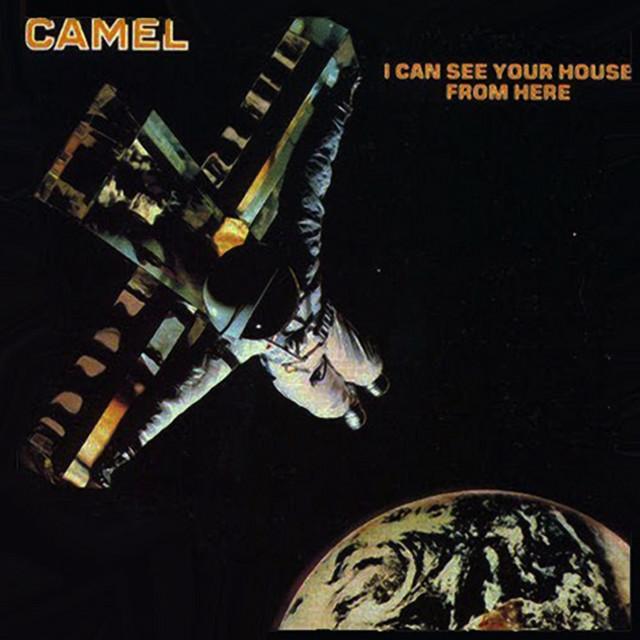
Camel’s "Ice" is unusual to write about because its power comes without sung lyrics. That makes the meaning of Ice Camel less about a plot and more about feeling, texture, and motion. On paper, it is a track by the English progressive rock band Camel from I Can See Your House from Here (1979), a fact widely documented in standard band discographies and reference listings.
"Ice" - Camel
Andrew Latimer Guitars
Kit Watkins Rhodes Piano, Mini Moog, Solina, Hammond C3, Yamaha Electric, Grand Piano on Intro
Loading lyrics...
Unable to load lyrics
We're unable to display the lyrics at this time. Please try again later.
What listeners hear, though, is something more intimate: a slow, aching instrumental that feels cold on the surface and deeply human underneath. Interpretation: the title points them toward emotional frost, while the music itself suggests grief, reflection, and fragile beauty.
Why the Title Matters So Much
Because the song is instrumental, the title does extra work. The word “ice” can suggest stillness, distance, numbness, or a clear but unforgiving beauty. Those ideas fit the track’s measured pace and careful restraint.
Rather than rushing into drama, Camel let the music unfold slowly. That gives the piece a suspended feeling, as if emotion has been frozen in place and can only escape in small waves. Interpretation: the song may be about a person trying to feel through numbness instead of breaking all at once.
This is why the meaning of Ice Camel often lands so strongly with listeners: the title is simple, but the music keeps widening it.

Watch the official Ice
music video
A Song Without Words, But Not Without a Voice
Even without lyrics, “Ice” has a narrator of sorts. That voice is Andrew Latimer’s guitar. His playing does not just decorate the arrangement; it acts like a singer would, carrying tension, release, and vulnerability.
The available session-style credits supplied here list Latimer on guitars, Kit Watkins on Rhodes piano, Mini Moog, Solina, Hammond C3, Yamaha electric piano, and grand piano on the intro, Jan Schelhaas on grand piano, Colin Bass on bass, and Andy Ward on drums. Those details matter because the emotional message comes from how those parts interact.
The guitar as the emotional center
Latimer’s tone is warm and singing, not icy in the literal sense. That contrast is important. The band surrounds him with cool, spacious keyboards, then places a deeply expressive guitar line in the middle.
Interpretation: that contrast may be the point. “Ice” is not empty coldness; it is feeling trapped inside coldness.
How the Arrangement Builds Meaning
One reason this piece lasts in memory is that Camel avoid overplaying. The keyboards create a glassy backdrop, and the rhythm section stays patient. Instead of pushing hard, the band leaves room.
That space changes how listeners read the melody:
- The electric pianos add softness and distance.
- The synthesizers add a faintly frozen sheen.
- The bass grounds the track without making it heavy.
- The drums move gently, so the emotion feels held back.
This kind of arrangement was a strength of Camel across their progressive-rock work: they could be technically skilled without losing atmosphere. In “Ice,” atmosphere becomes the message.
The Emotional Arc Inside the Music
Even instrumental songs can tell a story through shape. “Ice” seems to move through three broad emotional stages.
First movement: stillness
At the start, the music feels cautious and quiet. Nothing is forced. The listener is placed in a calm but uneasy space, like standing in winter air and waiting for something to thaw.
Second movement: confession
As the central melody opens up, Latimer’s guitar becomes more exposed and mournful. This is where the song feels most personal. The notes stretch and bend, giving the impression of someone trying to say what they cannot say plainly.
Third movement: acceptance
By the later passages, the song does not exactly become cheerful, but it does feel clearer. The sadness remains, yet it sounds more settled. Interpretation: the ending suggests not escape from pain, but coexistence with it.
Where "Ice" Fits in Camel’s Sound
Camel formed in the early 1970s and became known for melodic progressive rock rather than the more theatrical style of some peers. By the time of I Can See Your House from Here, they were working in a late-1970s setting where prog bands were adapting their sound while keeping their identity.
“Ice” shows that balance well. It is sophisticated, but never showy. It values melody over speed and feeling over display. That is one reason many fans treat it as one of Latimer’s standout guitar performances.
Alternate Readings of the Song
There is no single confirmed storyline attached to this track in the material provided, so interpretation matters.
One reading is heartbreak. The cold title, slow pace, and aching lead all support that.
Another reading is emotional self-protection. Ice does not only hurt; it preserves. Under this view, the song is about holding feeling in a frozen state because direct expression is too difficult.
A third reading is pure landscape music. Some listeners may hear snow, open sky, and winter light more than human drama. That reading also works because the arrangement is visual and spacious.
Final Take on the Meaning of Ice Camel
The meaning of Ice Camel is best understood as emotional storytelling without words. Through restrained keyboards, patient rhythm, and Andrew Latimer’s deeply expressive guitar, Camel turn the idea of coldness into something tender and human.
That is why the song endures: it sounds controlled, but it bleeds feeling. For many listeners, “Ice” is about sorrow slowly becoming clarity.
Disclaimer: This interpretation is based on the recording’s title, arrangement, credits provided here, and Camel’s known style. Since the track is instrumental, meaning remains open to listener interpretation.








