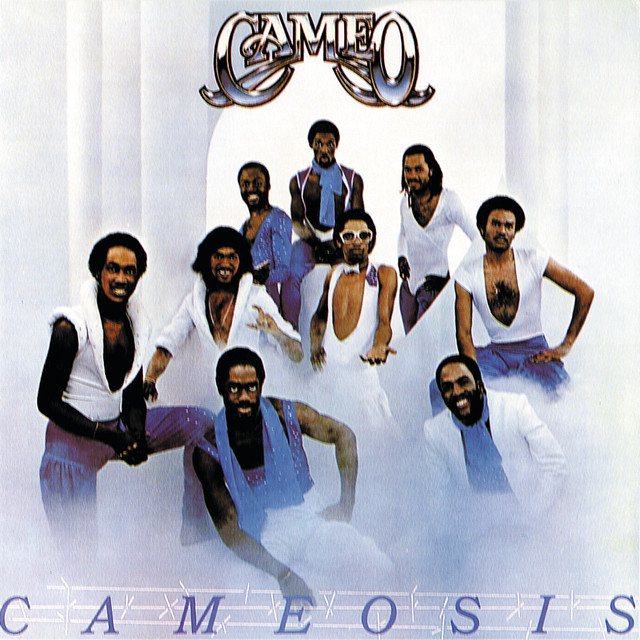
Why Cameo’s “Shake Your Pants” Still Moves
On the surface, this is a party record. Underneath, it is also a performance of confidence, style, and dance-floor chemistry.
"Shake Your Pants" - Cameo
Provided by LyricFindOoh, ooh, ah, ah
Ooh, ooh, yeah
Ooh, ooh, ah, ahLoading...Loading lyrics...
Unable to load lyrics
We're unable to display the lyrics at this time. Please try again later.
The Fast Answer to the Song’s Meaning
The meaning of Shake Your Pants Cameo is fairly direct: it celebrates dancing as a form of self-display, flirtation, and release. The singer is not telling a deep story with a plot. Instead, they build a mood where movement becomes attraction, and attraction becomes its own kind of language.
The song keeps returning to the body, the groove, and the thrill of being watched. Short phrases like shake your pants
and feel the groove
frame dance not as background fun, but as the main event. In that world, style matters, rhythm matters, and confidence matters most.
Interpretation: the song is also about control. The speaker presents themself as the one who sets the tone in the room, inviting others to join while staying at the center of attention.

Watch the official Shake Your Pants
music video
A Funk Invitation, Not a Love Ballad
Rather than describing romance in a soft or sentimental way, Cameo turns desire into motion. The lyrics suggest closeness, touch, and sexual energy, but they do it through club language. The point is not emotional confession. The point is to create a charged scene where people connect through dancing.
That is why lines about bodies and movement matter more than personal details. When the singer says watch me
and promises to show the other person how to move, the song frames attraction as performance. This is seduction through swagger.
There is also a playful edge in the repeated command to move. The hook sounds simple, but that simplicity is strategic. It makes the song easy to chant, easy to remember, and easy to feel in a crowded room.
How the Verses Build a Character
Style, swagger, and public display
The singer comes across as flashy and fully aware of it. Early on, they talk about strutting and being hot, which establishes a character who wants to be seen. This is not private desire. It is public charisma.
One revealing moment is the fashion name-drop section, where designer jeans become part of the message. Mentioning brands helps turn clothing into identity. The speaker is not just dressed up; they are presenting a whole image, ending with the idea of being dressed to kill
.
Interpretation: those fashion references suggest that the song is as much about looking the part as dancing the part. In funk, image and groove often work together.
The crowd matters too
The lyrics also keep opening outward. Phrases about letting others see and turning the place out show that the dance floor is social. The song is not only about one-on-one chemistry. It is about commanding a whole room.
That gives the track a communal feeling. Even when the singer sounds flirtatious, the energy stays public, loud, and shared.
The Chorus Turns Movement Into Meaning
The chorus is effective because it reduces the message to one action: move. Repetition turns that action into an anthem. Instead of giving new information, the hook intensifies the song’s central idea each time it returns.
Shake your pants
I like the way we dance
That brief moment sums up the record’s emotional logic. Dancing is not a side effect of attraction; it is the proof of attraction. If two people are locked into the same rhythm, the song suggests, they already understand each other.
Why the Sound Matters So Much
Cameo released “Shake Your Pants” in August 1980 as a single from Cameosis, and it was written and produced by Larry Blackmon. According to AllMusic and chart data summarized by Wikipedia, it reached No. 8 on the US Hot R&B/Hip-Hop chart.
That context matters because the track sits in the band’s funk lane: tight rhythm, repeated vocal cues, and a groove built for bodies first and analysis second. The arrangement leans on pulse and repetition, which mirrors the lyric theme. The music keeps insisting on motion, so the meaning lands physically before it lands intellectually.
Blackmon’s vocal approach is important too. He sounds commanding, teasing, and slightly theatrical. That delivery makes the speaker feel larger than life, which fits a song about swagger and crowd control.
A Bridge Between Funk and Early-’80s Club Culture
“Shake Your Pants” arrived at a moment when funk, R&B, and club music overlapped heavily. Its chant-like structure, call-and-response feel, and emphasis on groove place it right in that dance-floor tradition.
The song’s lasting appeal comes from that function. It does not need complicated poetry because its goal is immediate. It wants listeners to feel bold, sexy, and socially alive.
Interpretation: this is why the song still works. Even if some phrases feel dated, the core message remains easy to recognize: the dance floor can be a place where people invent a more confident version of themselves.
The Deeper Take Beneath the Party Surface
The deepest reading is not that the song hides some secret message. It is that the surface message already says enough. “Shake Your Pants” treats pleasure, rhythm, fashion, and attention as meaningful experiences. It argues that dance is not trivial. It is social power.
That makes the meaning of Shake Your Pants Cameo bigger than a simple party command. It is about owning space, turning movement into identity, and using funk as a tool for connection.
Final Take
Cameo’s song is bold, physical, and intentionally uncomplicated. Its lyrics, groove, and vocal attitude all point to the same idea: when people move with confidence, they create attraction, excitement, and community at the same time.
That is the strongest way to hear “Shake Your Pants” today. It is less a narrative than a live-wire mood piece built around swagger, rhythm, and the joy of being seen.
Disclaimer: This interpretation is based on the lyrics, performance, and available release context. As with any song, listeners may reasonably hear different meanings in it.








