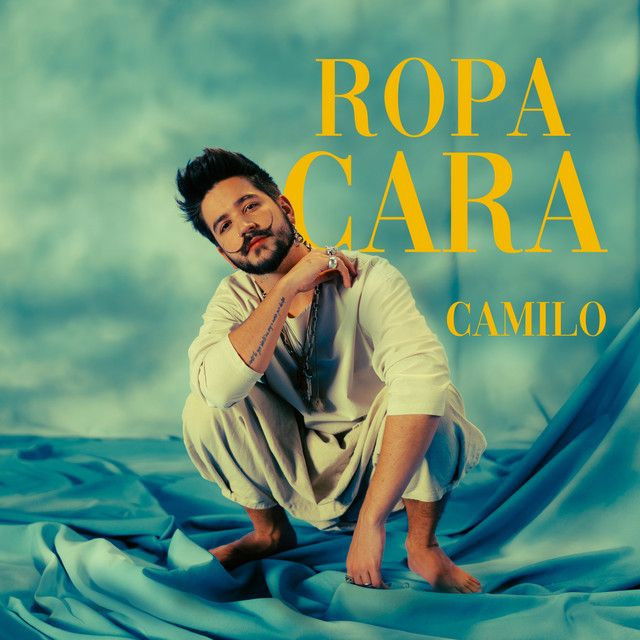
Why 'Ropa Cara' Is About More Than Clothes
The meaning of Ropa Cara Camilo starts with a simple joke and ends with a clear lesson: love should not require a costume. Camilo turns a funny dating story into a song about image, class pressure, and staying true to oneself.
"Ropa Cara" - Camilo
De las que no se cuentan por ser tan personale'
De cuando conocí a una niña de buenos modale'
Loading lyrics...
Unable to load lyrics
We're unable to display the lyrics at this time. Please try again later.
Released in 2021, “Ropa Cara” followed the success of Mis Manos, a key project in Camilo’s rise as a Latin pop star, as noted by Sony Music Latin and Billboard. The song was written by Camilo Echeverry and Edgar Barrera, two writers known for mixing catchy melodies with everyday detail. That matters here, because the track sounds light on the surface while carrying a real message underneath.
A Funny Story With a Sharp Point
At the plot level, the song tells a very clear story. The narrator meets a girl who seems charming and popular, but things shift when she judges how he dresses. Her standards are not emotional or personal. They are material.
The hook makes that conflict obvious through the repeated idea of ropa cara
. The phrase is not just about expensive clothes. It becomes a stand-in for a whole lifestyle built on labels, status, and appearance.
When the song lists brands like Balenciaga, Gucci, Prada
, it is not praising them. It is showing how romance starts to feel like a shopping test. In plain terms, the narrator realizes he is being asked to look rich, not simply be himself.

Watch the official Ropa Cara
music video
The Real Conflict Is Identity
The smartest part of the song is that clothing is only the symbol. The deeper issue is self-respect. The narrator does not only lack luxury items; he starts acting unlike himself in order to impress someone.
That is why one of the key moments comes when he reflects on forgetting what he learned at home. In paraphrase, he sees that trying to fit in has pulled him away from his values. The line yo no soy esa persona
lands as the emotional center of the song. It is a small phrase, but it reframes everything before it.
Interpretation: this is less a breakup song than a wake-up song. The relationship matters, but the bigger lesson is about recovering personal identity after bending too far for approval.
How the Verses Build the Message
Camilo fills the verses with comic details that make the story feel real. The narrator goes into a luxury store for the first time, borrows items and a car, and carefully styles himself for a date. These scenes are funny because they are exaggerated, but they also show anxiety.
A brief phrase like garage sale
captures the insult that starts the whole spiral. From there, each action becomes more performative. He is no longer dating naturally; he is managing an image.
That is why the song works so well narratively:
- They meet and things seem normal.
- She criticizes his appearance.
- He tries to upgrade himself with borrowed status.
- He realizes the change feels false.
- He rejects the pressure.
The story is fast, but it is emotionally complete. By the end, the joke has turned into self-recognition.
Why the Chorus Feels So Catchy
The chorus repeats the luxury-brand idea until it almost sounds empty. That is likely intentional. A hook built from brand names mirrors the shallow values the song is critiquing.
Interpretation: the repetition creates a kind of satire. The words are glamorous, but the emotional result is hollow. The narrator keeps circling the same demand because materialism itself can be repetitive and exhausting.
Camilo often uses simple, sticky choruses in his music, a style noted in coverage by Rolling Stone and NPR. Here, that simplicity becomes part of the song meaning. The chorus is easy to sing along to, which makes the critique even sharper once listeners catch it.
Bright Production, Bitter Truth
Musically, “Ropa Cara” is upbeat, bouncy, and polished. Its pop structure, light percussion, and playful vocal delivery help the song avoid sounding preachy. Instead of delivering a lecture about consumer culture, Camilo lets the groove carry the humor.
That contrast is important. The bright sound reflects the appeal of polished social media life: shiny, quick, and attractive. But under that shine, the lyrics show discomfort and insecurity. The production sells the fantasy while the story questions it.
This is one reason the song connected with so many listeners in the United States and across Latin pop markets. It taps into a very current pressure: the need to look successful online, even when real life does not match the image.
Social Media, Class, and Modern Romance
Early in the song, the girl is described as having many followers online. That detail is small, but it expands the meaning of “Ropa Cara” beyond one bad date. It places the story in a world where image has public value.
In that sense, the meaning of Ropa Cara Camilo also touches on class performance. The narrator is not ashamed of who he is at first. Shame enters when someone else measures him against luxury standards. The song criticizes that kind of social sorting.
It also asks a modern question: if attraction depends on display, how much of romance is real? Camilo does not answer in a heavy way. He just lets the narrator reach a simple truth: approval that depends on labels is too expensive, even when the clothes are borrowed.
The Lasting Takeaway
“Ropa Cara” endures because it is both relatable and clever. It laughs at the pressure to upgrade oneself for love, but it also defends ordinary dignity. Under the jokes, the song says people should not have to purchase worth.
That is the heart of the track. Clothes matter less than character, and style means little if it erases the self.
Disclaimer: This article offers an interpretation based on the lyrics, public context, and musical choices. Song meaning can remain open to different listener readings.








