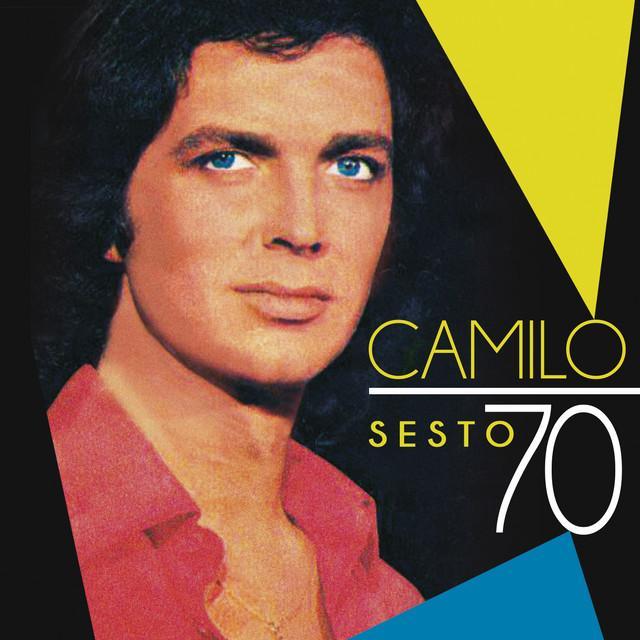
Why Camilo Sesto's 'Amor Mío' Feels Dangerous
The meaning of Amor Mío ¿Qué Me Has Hecho? Camilo Sesto comes down to one intense idea: love has crossed the line from joy into obsession. The singer is not describing a calm romance. They are describing a bond so overpowering that it feels physical, spiritual, and even frightening.
"Amor Mío ¿Qué Me Has Hecho?" - Camilo Sesto
Amor de magia negra, o de luz divina
Que obsesión, que tentación es como un orgasmo
Loading lyrics...
Unable to load lyrics
We're unable to display the lyrics at this time. Please try again later.
That emotional excess is classic Camilo Sesto. The Spanish star, credited as songwriter Camilo Blanes, built a career on big feelings, theatrical vocals, and sweeping pop-ballad drama, as noted by the Latin Recording Academy. In this song, that style becomes the message itself. Love is not soft here. It is a force that takes over the body and mind.
A Love Song That Sounds Like a Spell
From the start, the lyric presents desire as something supernatural. The narrator does not say they simply fell in love. They say they are under un extraño hechizo
, a strange spell. That image matters because it removes control. This is not a balanced relationship between two people. It feels more like being seized by an invisible power.
The next images deepen that idea. The song mentions both dark magic and divine light, suggesting that this attraction feels sinful and sacred at the same time. That clash is central to the song's emotional world. The beloved is both salvation and danger.
Interpretation: The song treats passion as something beyond reason. Instead of choosing love freely, the narrator feels chosen by it, almost against their will.

Watch the official Amor Mío ¿Qué Me Has Hecho?
music video
How the Verses Build Obsession
The verses move through touch, voice, and anticipation. Hearing the other person, brushing their skin, and feeling physical closeness all push the narrator deeper into dependence. In simple terms, every sense becomes a trigger.
That is why the song keeps returning to loss of control. The narrator suggests that reason no longer leads. Desire does. Even waiting becomes painful, and separation destroys their peace. When the loved person is absent, life feels unstable. When they return, the obsession grows stronger.
One of the sharpest images is the idea that love has entered their life como un puñal
. Paraphrased, the relationship is like a blade: intimate, piercing, and harmful even when it is desired. This is a dramatic metaphor, but it tells readers exactly how Camilo Sesto frames passion in the song. Love wounds because it goes too deep.
The Chorus Turns Passion Into Crisis
The chorus gives the song its emotional center. The repeated question qué me has hecho
is not just romantic praise. It sounds shocked, almost desperate. The narrator is asking what this person has done to them because they no longer feel like themselves.
That repeated cry works because it blends pleasure with alarm. On one level, they are amazed by the lover's power. On another, they are trapped by it. The line que no vivo
pushes that further by suggesting they are no longer truly living in a normal, steady way. Love has become their whole system.
Amor mío, amor mío
Diabólico y lunático
This brief refrain captures the split at the heart of the song. The beloved is adored, but also described in unstable, almost menacing terms. The relationship is magnetic, yet emotionally unsafe.
Symbols of Bondage, Theater, and Excess
Another key part of the meaning of Amor Mío ¿Qué Me Has Hecho? Camilo Sesto is the song's language of captivity. The narrator says their hands and feet are tied, and their heart is cornered. Paraphrased, they feel immobilized. They cannot escape emotionally, even if they know the situation hurts.
Then there is the image of the lover's cloak or mantle spreading charms. That sounds staged and theatrical, which fits Camilo Sesto's artistic world. He often leaned into grand melodrama as a singer and composer, including in projects like Jesucristo Superstar. Here, the beloved almost appears like a stage magician, entering with a costume and transforming reality.
Interpretation: The song may be less about a literal toxic partner than about the experience of uncontrollable desire itself. The lover becomes a symbol for temptation.
How the Sound Supports the Meaning
Even without line-by-line translation, the production helps communicate the song's message. Camilo Sesto's style in this period often used rich orchestration, strong melodic rises, and a vocal delivery that moved from tenderness to near-cries. That dramatic build matches lyrics about surrender and emotional overload.
Listeners can hear how the arrangement likely frames the song as a confession rather than a casual pop tune. The melody stretches upward on the hook, making the question feel urgent. The rhythm supports sensuality, while the vocal intensity adds panic. In other words, the music does what the words describe: it pulls the listener into a state of excess.
A Few Important Notes on Meaning
One line refers to being suicida soy por ti
. In context, this reads as hyperbolic romantic language, not a factual statement. Camilo Sesto uses extreme wording to show how total the obsession feels.
That matters because melodrama is part of the song's design. The narrator is not speaking with cool realism. They are speaking from the center of emotional chaos.
Why the Song Still Connects
The song endures because it understands a feeling many people recognize: the moment when love stops feeling safe and starts feeling overwhelming. It captures the thrill of total attraction, but it also shows the cost. That mix is what gives the song its staying power.
For U.S. listeners discovering Camilo Sesto through translation, the key is not to flatten the lyric into either pure romance or pure pain. It is both. The beloved is a dream and a threat, a source of ecstasy and loss of self.
In the end, the meaning of Amor Mío ¿Qué Me Has Hecho? Camilo Sesto is about surrender to a passion so strong it feels like enchantment, injury, and worship at once.
Disclaimer: This interpretation is based on the lyrics, performance style, and available artist context. As with many dramatic love songs, different listeners may hear different shades of meaning.







