Golf Girl by Caravan: Whimsy, Flirting, and Escape
The meaning of Golf Girl Caravan starts with something simple: a funny little meeting on a golf course. But like many Caravan songs, that light setup opens into a dreamier mood. What begins as flirtation becomes a small fantasy about shelter, romance, and stepping outside ordinary life.
"Golf Girl" - Caravan
Dressed in P.V.C.
I chanced upon a golf girl
Loading lyrics...
Unable to load lyrics
We're unable to display the lyrics at this time. Please try again later.
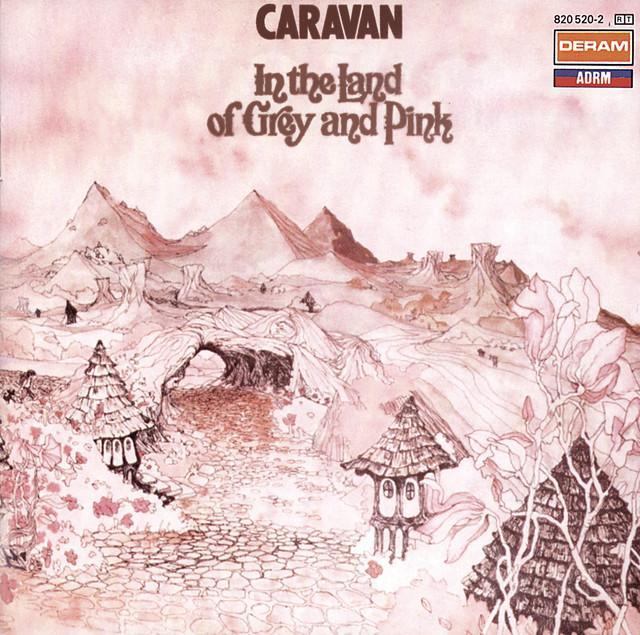
Released on Caravan's 1971 album In the Land of Grey and Pink, "Golf Girl" is often remembered for its bright, playful charm. It sits inside the Canterbury scene, a style known for mixing pop, jazz, prog, and gentle British eccentricity. That context matters, because the song is not trying to be heavy or tragic. Its meaning lives in its softness, humor, and imagination.
A Pastoral Crush in Miniature
On the surface, the plot is easy to follow. The narrator sees a girl selling tea on a golf course, becomes instantly interested, buys more than needed to keep the moment going, and ends up sharing shelter and affection with her. In plain terms, it is a meet-cute.
The details make it memorable. The image of a woman dressed in P.V.C.
on a golf course is already a little odd. Then there is the tea stand, the rain of golf balls, and the sudden romantic closeness. The song moves like a comic short story, where each detail is slightly exaggerated to make the scene feel magical.
Interpretation: The song is about the joy of chance connection. It turns a brief encounter into a private world, where everyday objects—tea, weather, a tree—become signs of intimacy.

Watch the official Golf Girl
music video
How the Story Builds Its Meaning
The opening verse frames desire as playful, not deep or tortured. When the narrator buys several cups, the point is obvious: they want an excuse to stay near her. The line about her grin suggests mutual interest, and the song keeps that emotional tone light.
Then the song shifts from ordinary flirting into surreal romance. After tea, it started raining golf balls
, and the girl protects the narrator. That image is absurd, but it matters. Instead of danger ruining the moment, it creates closeness. The strange event gives them a reason to hide away together.
That leads to the song's sweetest turn. Once they sit under a tree, the relationship becomes more private and tender.
Her name was Pat
And we sat under a tree
She kissed me
This short passage reduces romance to its most basic form: names, nearness, and a kiss. The simplicity is the point.
A Song About Escape, Not Just Courtship
A lot of listeners hear "Golf Girl" as just a novelty tune. That is fair, but it misses part of the appeal. The meaning of Golf Girl Caravan also involves escape into a gentler world. The golf course is not presented as a sport setting so much as a peaceful stage for imagination.
By the end, the pair go walking together in good weather and even talk in Morse
. That final image is childlike and secretive. It suggests a language only the two of them share. In other words, romance here means building a tiny private universe.
Interpretation: The song may be less about one realistic date and more about the feeling of falling into a charming daydream. The events are too neat and too strange to feel fully literal. Caravan seem happy to let fantasy improve reality.
Why the Odd Images Matter
Caravan often balanced musical skill with wit, and "Golf Girl" shows that clearly. The tea, the golf course, and the storm of golf balls create a very English kind of surrealism. These images keep the song from becoming sentimental.
Instead of saying love is life-changing, the song shows attraction through comic details. Buying tea is more awkward and believable than a grand declaration. Hiding under a tree is more touching because it feels small. Even the phrase full right to the brim
adds to the gentle sensory world: abundance, warmth, and comfort.
That is why the song still works. It understands that affection often begins in tiny gestures, not dramatic speeches.
How the Music Carries the Mood
The arrangement is a huge part of the song's meaning. Caravan's album credits identify the songwriters as Dave Sinclair, Pye Hastings, Richard Coughlan, and Richard Sinclair. The performance matches the writing: breezy, melodic, and lightly theatrical.
The song's bright acoustic feel, nimble rhythm, and playful vocal delivery keep everything floating. The instrumentation does not push urgency. Instead, it invites the listener into a pastoral scene. Woodwind colors and soft rhythmic bounce make the music feel conversational, almost like a smile set to sound.
That matters because the music tells listeners not to over-read the story as heartbreak or satire. The sound says warmth, curiosity, and mischief. In prog terms, it is unusually concise, but it still carries the genre's love of colorful atmosphere.
Reception and Lasting Appeal
"Golf Girl" has lasted because it gives Caravan's style in compact form. It is catchy enough for casual listeners, but unusual enough to reward fans of progressive pop. On a beloved album, it also acts as a doorway into the band's wider world.
For American listeners especially, part of the charm is how specifically British the song feels without becoming closed off. Tea, weather, eccentric humor, and pastoral romance are all local details, yet the emotional core is universal. They meet, they click, and for a brief moment the world gets softer.
The Best Way to Read "Golf Girl"
The best reading is probably the simplest one: this is a song about sudden attraction turned into whimsical fantasy. It treats romance as funny, lucky, and slightly unreal. Rather than aiming for profound confession, Caravan capture the glow of a moment that feels too charming to be true.
That is the lasting meaning of Golf Girl Caravan. It celebrates the kind of encounter people replay in memory, polished by imagination until it feels like a private myth.
Disclaimer: This interpretation is based on the lyrics, recording context, and documented credits. As with most songs, listeners may hear different meanings in the imagery and tone.








