Why “Only Jesus” Rejects the Fame Game
Casting Crowns’ “Only Jesus” is a direct answer to a modern pressure: build a brand, get noticed, leave a legacy. The meaning of Only Jesus Casting Crowns comes into focus fast. The song says a life centered on personal fame is finally hollow, while a life that points to Christ has lasting value.
"Only Jesus" - Casting Crowns
Dream your dreams, chase your heart, above all else
Make a name the world remembers
Loading lyrics...
Unable to load lyrics
We're unable to display the lyrics at this time. Please try again later.
That theme is not hidden in metaphor. It is plain, but not simplistic. The song speaks to anyone who has felt pulled between public success and spiritual purpose.
The Song’s Core Message Is Humility
At its heart, “Only Jesus” pushes back against the world’s usual advice. The opening lines describe the common dream of making a name for yourself. Then the song overturns that idea, saying those goals can become spiritually empty.
The key confession comes when the speaker admits getting lost in the light
. In plain terms, they are describing what happens when attention, praise, or platform becomes the goal. The problem is not work or ambition by themselves. The problem is letting the self take center stage.
The chorus supplies the correction. When the song says I don’t want to leave a legacy
, it is not denying that lives matter. It means personal reputation is not the right scoreboard. Instead, the singer wants every moment to point to Him
.
Watch the official Only Jesus
music video
How the Verses Build the Argument
Each verse moves from worldly values to eternal ones. First, the song names the pressure to succeed. Then it admits how easy it is to believe that message. Finally, it asks what will still matter when life is over.
That structure is why the second verse matters so much. It lists visible signs of success—kingdoms, trophies, accomplishments—and then says they will not last. The phrase crumble into dust
gives the image force. Even the biggest public wins are temporary.
After that, the song shifts from applause to relationships and witness. It asks whether the singer lived truthfully and showed faith in everyday life. That is a major part of the meaning of Only Jesus Casting Crowns: the song values spiritual integrity over image.
A Chorus That Works Like a Prayer
The chorus is memorable because it is both simple and absolute. It does not just describe a belief. It sounds like a decision repeated out loud until it becomes a way of living.
Only JesusOnly Jesusthe only nameto remember
Those repeated words narrow the song’s focus. Everything else falls away: image, status, even the wish to be admired for doing good. Interpretation: the repetition feels intentional, almost like spiritual self-correction. The singer keeps returning to one center because distraction is always close.
Casting Crowns Context Matters Here
This message fits Casting Crowns perfectly. The band has long blended contemporary Christian music with church-centered themes of surrender, discipleship, and honest self-examination. According to the band’s official bio, their identity has always been tied to ministry, not just performance.
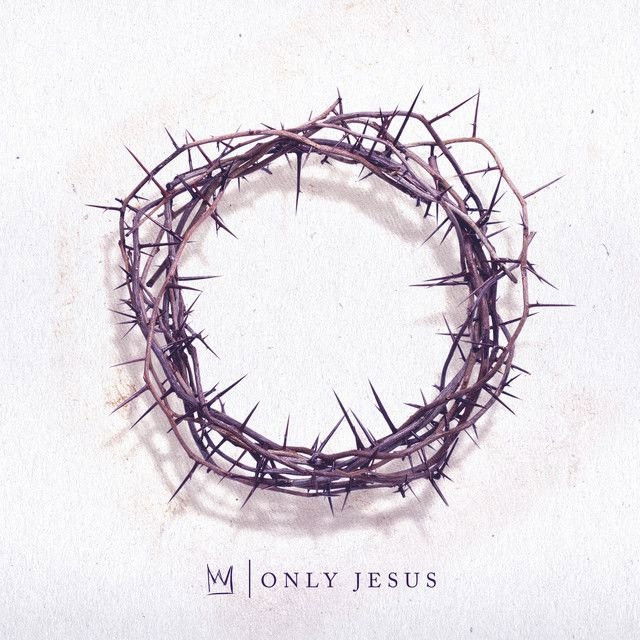
“Only Jesus” was also the title track of the group’s 2018 album, written by Bernie Herms, Mark Hall, and Matthew West. That matters because all three writers are known for direct, message-first songwriting in Christian music. The plain language is part of the design, not a lack of depth.
Mark Hall discussed the song’s purpose in band promotion around the album, framing it as a challenge against building personal kingdoms. That matches what listeners hear: not anti-effort, but anti-ego.
How the Sound Supports the Meaning
Musically, “Only Jesus” is built to feel steady and clear rather than flashy. The arrangement leans on piano, drums, guitars, and a rising worship-rock structure. It starts with restraint, then grows in volume and lift as the chorus opens up.
That production choice supports the lyric. A song about refusing self-glory would sound wrong if it felt overly showy. Instead, the instrumentation gives emotional weight without distracting from the message.
Hall’s vocal also helps. He sings with conviction, but not with the kind of theatrical style that would pull attention back to the performer. The mix keeps the words front and center, which is exactly where a song like this needs to live. Release details for the album and single are documented by Billboard.
Why the Song Connected With Listeners
The song resonated because it speaks to both church leaders and ordinary listeners. For pastors, artists, influencers, and volunteers, it is a warning about serving for recognition. For everyone else, it is a reminder that a meaningful life may look less impressive than a successful one.
In the United States especially, where hustle culture and personal branding are everywhere, the song offers a counter-message. It says they do not need to become unforgettable to live faithfully. That is a freeing idea.
A Reasonable Alternate Reading
Interpretation: while the song is openly Christian, its emotional logic can reach beyond church settings. Even a secular listener can hear it as a critique of ego and performance culture. In that reading, “Only Jesus” becomes a song about decentering the self.
Still, the lyric’s main claim is specific, not symbolic. It does not merely praise humility in general. It says Jesus is the lasting name, and everything else fades beside that truth.
Final Take on Its Meaning
The meaning of Only Jesus Casting Crowns is clear: they believe the best life is not one that makes the self famous, but one that reflects Christ. The song moves from confession to surrender, using simple words to challenge a deep human hunger for recognition.
That is why “Only Jesus” still lands. It asks a hard question with a gentle tone: when everything temporary falls away, what name was life really pointing toward?
Disclaimer: This interpretation is based on the lyrics, publicly available artist context, and the song’s musical presentation. Like all art, listeners may hear it somewhat differently.








