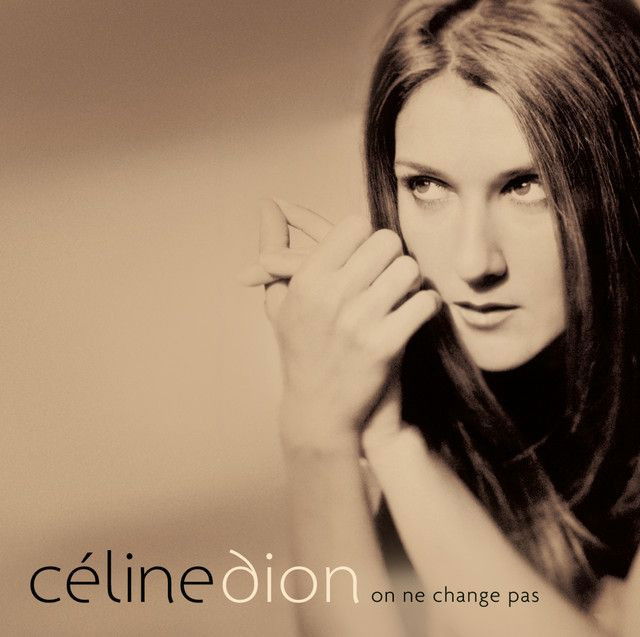
Why "Des mots qui sonnent" Is So Clever
The meaning of Des mots qui sonnent Céline Dion becomes clear as soon as its premise unfolds: this is a song about needing a song. Instead of telling a love story in the usual way, it stages a lively plea from a performer to a songwriter. The result is witty, catchy, and more revealing than it first seems.
"Des mots qui sonnent" - Céline Dion
Réponds au moins au téléphone
Je sais bien que ton occupation
Loading lyrics...
Unable to load lyrics
We're unable to display the lyrics at this time. Please try again later.
Céline Dion recorded the track in her French-language catalog, and the song is credited here to Aldo Nova, Luc Plamondon, and Marty Simon. In broad terms, it sits in French pop and plays with the machinery of stardom rather than hiding it. That self-aware angle is what gives the song its spark.
A Pop Song About Pop Pressure
On the surface, the narrator is simply begging for lyrics before a deadline. They mention a ringing phone, TV appearances, the studio, and the need for a hit. In other words, the singer is already booked, promoted, and expected to deliver. What is missing is the one thing that makes all of that useful: the song itself.
That is why the chorus matters so much. When the speaker asks for des mots qui sonnent
, they are not just asking for rhymes. They want words that land well in the ear, fit the beat, and give shape to their performance. The request for words that résonnent
and donnent un sens
shows that they want more than empty hooks. They want language that feels alive.
Interpretation: the song balances two desires at once. One is commercial: they need something that can become a hit. The other is artistic: they need lyrics that actually mean something.

Watch the official Des mots qui sonnent
music video
The Narrator Sounds Confident — and Dependent
One clever part of the song is its voice. The narrator sounds like a star with a packed schedule and public expectations. They have interviews to do, shows to appear on, and a career to maintain. Yet their confidence is undercut by dependence. They cannot move forward without someone else’s words.
That tension gives the song humor. The speaker can promise a chart-topper and a big media push, but they still need a writer to finish the work. When they push for un numéro un
and mention AM-FM
, the tone becomes almost comic. They are selling ambition in the language of the industry.
This makes the song feel slightly satirical. It does not reject pop success, but it does expose how manufactured success can sound when spoken out loud.
How the Verses Build the Joke
The verses move like a fast backstage conversation. The singer calls, negotiates, flatters, and pressures. They even offer help and comfort, trying to get the writer inspired quickly. That pacing matters because it turns the whole song into a performance of urgency.
A useful way to see the narrative is this:
- The singer calls a songwriter who is hard to reach.
- They explain that promotions and recordings are already lined up.
- They ask for words that can carry the music.
- They raise the pressure by talking about charts, radio, and deadlines.
- They reveal the deeper need: the singer wants words they could truly inhabit.
That last point comes through especially well when the lyric imagines words saying what the writer would say si tu avais ma voix
. Paraphrased, the singer wants borrowed language that still sounds personal. That is one of the song’s smartest ideas.
Sound and Style Match the Theme
The production supports the meaning neatly. Even without overcomplicating it, the song feels bright, rhythmic, and built for momentum. Its pop structure mirrors the very thing the narrator is asking for: a polished, catchy single.
That creates a fun loop. The singer begs for a marketable song, and the audience is hearing one at the same time. The beat and vocal drive make the request feel believable. A slower or darker arrangement would have pushed the song toward frustration, but this upbeat setting keeps it playful.
The references to artists like Sting and Jackson also matter. They point to a standard of pop sophistication and crossover appeal. The speaker is not asking for any lyrics. They want words with groove, intelligence, and star power.
A Deeper Reading Beneath the Comedy
The meaning of Des mots qui sonnent Céline Dion can also be read more seriously. Beneath the jokes about scheduling and promotion is a question many singers face: what happens when the public voice depends on private writing?
Interpretation: the song may be about the uneasy partnership between performer and songwriter. The singer is visible, but the writer supplies the inner language. The track turns that hidden dependence into the main subject.
It also raises a lasting pop question: are catchy words enough, or do they need emotional truth? The song never fully separates those ideas. Instead, it suggests that great pop needs both.
Why the Song Still Works
Part of the song’s charm is that it remains relatable even for listeners far from the music industry. Almost anyone knows the feeling of needing the right words and not having them yet. The song simply stages that panic in a glamorous setting.
That is why it feels light on its feet but not shallow. It is funny about fame, honest about pressure, and respectful of songwriting craft. More than anything, it shows that a hit begins with language that fits both the music and the person singing it.
Final Take on Its Lasting Appeal
In the end, the meaning of Des mots qui sonnent Céline Dion is about the search for words that can succeed publicly while still feeling true. Its speaker wants a smash, yes, but also wants expression, rhythm, and identity.
That mix of satire, admiration, and real artistic hunger is what makes the song memorable. It sounds playful on the surface, yet it quietly honors the difficult work of turning life, voice, and commerce into pop.
Disclaimer: This article offers interpretation based on the song’s lyrics, musical presentation, and available credits. Meaning can remain open, and different listeners may hear it differently.







