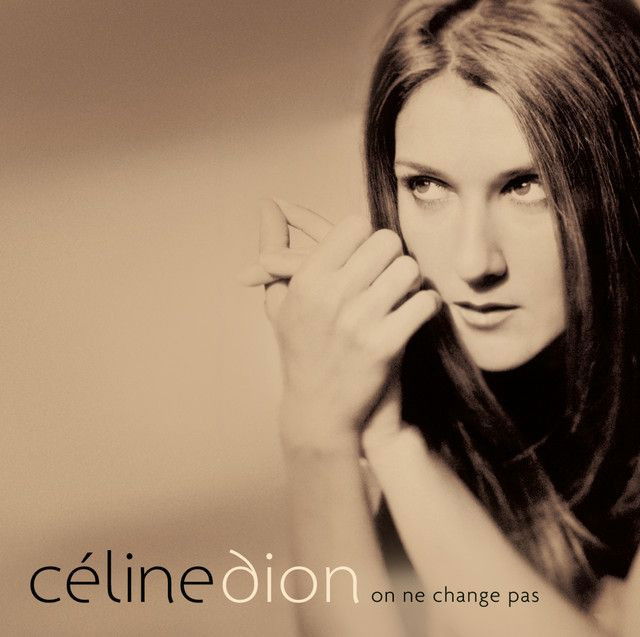
Why Céline Dion Dances Inside Her Mind
The meaning of Je Danse dans ma Tête Céline Dion comes down to one striking idea: when the outside world feels cold, repetitive, and overwhelming, the mind becomes a private place of freedom. The song turns inner escape into a small act of survival.
"Je Danse dans ma Tête" - Céline Dion
Y a six milliards d'humains sur terre
Mais chacun vie sa vie en solitaire
Loading lyrics...
Unable to load lyrics
We're unable to display the lyrics at this time. Please try again later.
Céline Dion recorded the song early in their career, and it was written by Luc Plamondon and Romano Musumarra, two writers known for pairing strong pop structure with vivid emotional images. Factually, those songwriting credits are widely listed in discographies and album databases, though this article focuses on the lyrics provided here rather than broader release history.
A Pop Song About Isolation in a Crowded World
The first verse opens on a global scale. It describes a planet full of billions of people, yet says each person lives alone. That contrast matters. The song is not claiming that people are physically isolated; it suggests they are emotionally sealed off by routine, certainty, and fear.
One key phrase is vie en solitaire
. In context, that line points to the strange loneliness of modern life: people exist side by side, but still feel cut off from each other. The lyric even pushes further by saying love can become la pire des solitudes
, which implies that intimacy itself can carry pain, disappointment, or misunderstanding.
Interpretation: The song is not anti-love. Instead, it suggests that when connection fails, the disappointment can feel sharper than ordinary solitude.

Watch the official Je Danse dans ma Tête
music video
The Real Problem: Numbness, Not Just Sadness
The middle of the song sharpens the emotional picture. The speaker says the universe can feel indifferent, and daily life can act like a sleeping pill. That image matters because it is about dullness more than drama.
Rather than describing one heartbreak or one event, the song shows a person being slowly worn down. The cure they invent is not medicine, but imagination. The line about finding a formula better than pills reframes the chorus: dancing in the mind becomes self-made therapy.
Here the repeated hook Je danse dans ma tête
is more than a catchy refrain. It means they create movement where life feels frozen. They create play where life feels mechanical. They create rhythm where routine has become deadening.
How the Verses Build a Portrait of Everyday Pressure
The song is especially effective because it moves through familiar settings:
- the metro
- the office
- the television-lit room
- the city at night
These details make the emotional struggle feel ordinary and recognizable. In the section about commuting and desk work, the song talks about the same words and the same robot-like gestures. The phrase gestes de robot
captures the fear that modern routines can strip people of spontaneity.
That leads to one of the song’s clearest social observations: daily systems can make a person feel half-alive. The speaker sees that pressure and refuses to let it fully define them.
The Chorus as Rebellion, Not Retreat
On the surface, dancing in one’s head might sound passive. But the chorus works more like rebellion. Instead of surrendering to boredom or panic, the speaker keeps an inner life that the outside world cannot fully control.
This becomes even clearer later, when the lyrics say on nous satellise
and describe people being watched, processed, and absorbed by media. The song was written before today’s social media age, yet it feels surprisingly current. It imagines a culture where technology tracks, shapes, and flattens human experience.
Interpretation: In that sense, the inner dance is not denial. It is a defense of the self.
Moonlight, Neon, and the Wish to Disappear
The imagery grows more surreal in the final section. The city lights come on, but the speaker would rather look at the moon. That contrast between neon and moonlight sets up two worlds: the artificial world of noise and control, and the quieter world of imagination, nature, and dream.
The reference to Alice wanting to fall into a hole adds another layer. It suggests a desire to leave ordinary reality behind and enter a strange but liberating alternate world. This is consistent with the whole song: when life feels over-organized and over-watched, fantasy becomes a route back to feeling.
Je danse dans ma tête
dans ma tête
Even in this tiny repeated fragment, the idea is clear. The song keeps returning to the mind because that is the only place where the speaker has complete control.
How the Sound Supports the Meaning
Musically, the song’s meaning works because the production does not sound defeated. It is bright, rhythmic, and driven by a pop pulse that mirrors motion. The repeated syllables in the chorus create a stutter-step effect, almost like thought turning into dance in real time.
That matters. If the arrangement were slow and gloomy, the song might feel trapped in its own sadness. Instead, the music creates lift. The production turns the inner world into an active space, not a hiding place.
Céline Dion’s vocal approach also helps. They deliver the verses with clarity, then let the chorus open up into something more playful and physical. That contrast reinforces the song’s core tension: outer pressure versus inner release.
Final Take on the Meaning of Je Danse dans ma Tête Céline Dion
The meaning of Je Danse dans ma Tête Céline Dion is ultimately about protecting the self from a world that feels repetitive, invasive, and emotionally empty. Its genius is that it expresses that fear through a dance-pop hook rather than a heavy confession.
Interpretation: The song suggests that imagination is not childish escapism. It can be a vital way to stay human.
That is why the track still connects. It understands that people do not always escape by leaving. Sometimes they survive by keeping one room of the mind free.
Disclaimer: This interpretation is based on the lyrics provided and general song analysis. As with all art, listeners may hear different meanings in the song.








