Why 'Isle of Hope, Isle of Tears' Still Moves
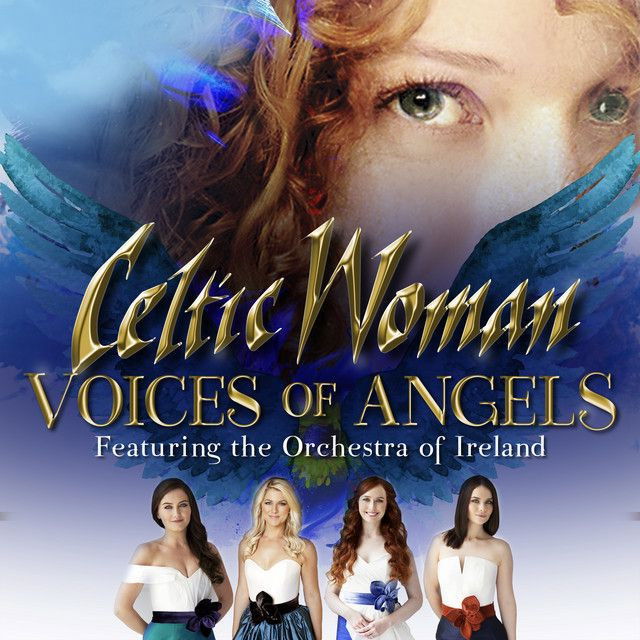
The meaning of Isle of Hope, Isle of Tears Celtic Woman comes down to one powerful idea: migration can feel like rescue and heartbreak at the same time. In Celtic Woman's hands, the song is not only a history lesson. It becomes a tribute to immigrants who crossed the Atlantic carrying grief, courage, and a fragile hope for a better life.
"Isle of Hope, Isle of Tears" - Celtic Woman
They opened Ellis Island and they let the people through
And the first to cross the threshold of that isle of hope and tears
Loading lyrics...
Unable to load lyrics
We're unable to display the lyrics at this time. Please try again later.
Written by Brendan Graham, the song uses the real story of Annie Moore, widely recognized as the first immigrant processed at Ellis Island on January 1, 1892, according to the Statue of Liberty-Ellis Island Foundation and the National Park Service. That factual frame gives the lyric weight, but the emotional focus is larger than one girl. It speaks for millions.
A Doorway Into America and Away From Home
At the story level, the song follows a young Irish girl arriving in New York. She carries almost nothing except memory and possibility. The lyric makes that contrast plain: the old world was marked by hardship, while the new world offers a chance to begin again.
Still, the song refuses to make immigration sound simple or triumphant. Its famous refrain balances opposites: isle of hope
and isle of tears
. That pairing is the key to the whole piece. Ellis Island is both a gateway and a wound.
Interpretation: The song suggests that survival often demands loss. Reaching safety does not cancel homesickness. It may even sharpen it.

Watch the official Isle of Hope, Isle of Tears
music video
Why Annie Moore Matters So Much
By centering a fifteen-year-old, Graham gives history a human face. Annie Moore is not treated as a symbol only. She feels young, vulnerable, and brave. The line about being fifteen years
matters because it stresses how much emotional weight a child had to carry.
The lyrics also show how migration compresses time. A teenager arrives with a small bag, but inside it sits a whole past. Family history, hunger, fear, and dreams all travel with her. The phrase land of liberty
points to America as an ideal, but the song never lets that ideal become easy fantasy.
For U.S. listeners, that is part of what makes the song resonate. It connects a national immigration story to an intimate family story. Many Americans hear in it the emotional truth behind ancestry records and Ellis Island tours.
The Chorus Holds the Real Argument
The chorus is memorable because it works like a debate inside one heart. Freedom stands beside fear. Home is left behind, yet home stays mentally present. The repeated idea that the isle of home
remains on their mind turns the song away from simple celebration.
That is the emotional twist. The immigrant reaches America, but the song's center is still divided. One island is physically behind them. Another island, the remembered home, continues to live inside them.
Isle of freedom, isle of fears
But the isle of home
is always on your mind
This is the article's only extended lyric excerpt because it captures the core tension in a few short lines. The meaning of Isle of Hope, Isle of Tears by Celtic Woman lives in that tension between arrival and longing.
Irish Memory, American Promise
The song is deeply rooted in Irish history. References to hunger and pain point toward the poverty and trauma that pushed many Irish families to leave. While the lyric does not turn into a history textbook, it clearly echoes the long shadow of famine-era migration and its aftermath, a subject documented by institutions like Britannica.
Yet the song is not only about Ireland. It also reflects the American immigrant myth: the belief that a new country can offer dignity and future. Graham's lyric respects that dream while showing its cost.
Interpretation: The song argues that immigration is not a clean break. People do not step into a new identity all at once. They live between worlds.
How Celtic Woman's Sound Deepens the Meaning
Celtic Woman's version matters because performance changes interpretation. Their style usually blends classical vocal technique, Celtic instrumentation, and polished, ceremonial production, as described on the group's official site. That approach gives the song a stately and almost sacred feeling.
Instead of sounding like a rough folk tune sung in the moment, it often feels like an act of remembrance. The slower pacing, sustained strings, and clear vocal lines turn the story into something communal. They are not only telling Annie Moore's story; they are honoring generations.
That production choice supports the lyric's dignity. The song could have leaned into melodrama, but Celtic Woman usually keeps it poised. The result is sorrow without collapse, pride without swagger.
Why the Song Endures
Part of the song's lasting appeal is that it speaks to several audiences at once:
- descendants of immigrants who hear family history in it
- Irish listeners who hear cultural memory
- American listeners who connect it to Ellis Island
- anyone who has left home and felt divided afterward
It also endures because it avoids cynicism. The song knows migration is painful, but it still believes courage matters. One of its strongest ideas is that bravery becomes a kind of passport when the old world falls away.
Final Take on Its Meaning
So, what is the meaning of Isle of Hope, Isle of Tears Celtic Woman? It is a song about arrival shadowed by absence. It honors the immigrant journey as an act of courage, while insisting that freedom does not erase grief or memory.
Celtic Woman's performance amplifies that balance. They make the song feel both historical and personal, like a memorial sung in the present tense.
Disclaimer: This interpretation separates documented history from critical reading. Meanings in songs can vary by listener, performance, and personal experience.







