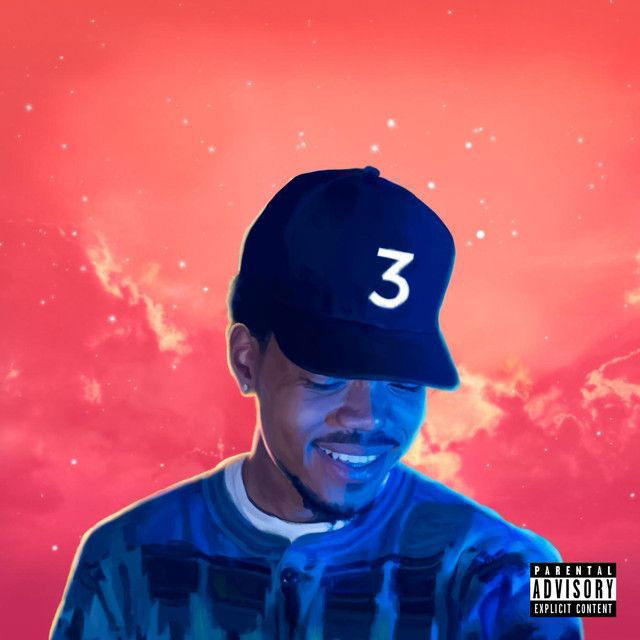
Same Drugs by Chance the Rapper
Why This Song Still Hits So Hard
The meaning of Same Drugs Chance the Rapper comes down to one painful idea: two people can care about each other and still stop living in the same emotional world. The song turns that feeling into a gentle, almost dreamlike goodbye.
"Same Drugs" - Chance the Rapper
We don't do the, we don't do the same drugs, do the same drugs no more
Cause she don't do the same drugs no more
Loading lyrics...
Unable to load lyrics
We're unable to display the lyrics at this time. Please try again later.
At the center is a speaker watching someone change. They are not just noticing new habits. They are mourning the loss of a shared innocence, a shared sense of play, and maybe even a shared way of seeing life. When the hook says we don't do the same drugs
, it sounds less like a report about substances and more like a metaphor for no longer sharing the same highs, risks, or beliefs.
That is why the song feels sad without becoming bitter. It is about distance, but also about memory.
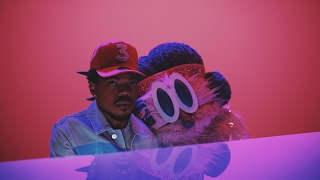
Watch the official Same Drugs
music video
A Breakup Song Without a Clean Break
On the surface, the song sounds like one person addressing another who has grown up and moved on. The repeated questions—like When did you change?
—show disbelief as much as hurt. The speaker seems stuck between admiration, confusion, and grief.
Interpretation: this is not just a romance song. It can also be heard as a song about childhood friends, about fame changing relationships, or even about the speaker losing touch with their younger self.
The name Wendy points many listeners toward Peter Pan. That matters because the song keeps returning to images of growing older, losing wonder, and forgetting how to “fly.” In that frame, Wendy is the child who had to grow up, while the speaker is devastated that the fantasy cannot last.
Don't forget the happy thoughts
All you need is happy thoughts
That brief passage recalls Peter Pan directly, but in this song it sounds less magical than desperate. The speaker wants to recover an earlier freedom, yet knows it may already be gone.
How the Verses Show Growing Apart
The verses are full of small emotional clues. The line Wendy you've aged
is blunt, but it is not really about appearance. It is about the shock of seeing someone become more practical, more guarded, or simply more adult than the speaker expected.
Then there is Window closed
, which suggests missed timing. A chance to reconnect has passed. The speaker admits, more than once, that they were too late. That detail is important because it keeps the song from sounding accusatory. They are not only blaming the other person. They are admitting failure, hesitation, and regret.
Another key line is you were always perfect
. Paraphrased, the speaker sees the other person as whole while viewing themselves as unfinished. That imbalance makes the loss feel even sharper. It is not just that someone left; it is that they seem to have outgrown the speaker entirely.
The Chorus Is a Metaphor, Not a Lecture
The chorus is simple, but it carries the whole song. Saying two people no longer do the “same drugs” suggests they no longer chase the same excitement, pleasure, or escape. It can mean:
- they no longer share the same lifestyle
- they no longer laugh or dream in the same way
- they no longer believe in the same version of the past
Interpretation: the brilliance of the hook is that it avoids a neat explanation. It leaves room for emotional, spiritual, and literal meanings at once.
That ambiguity is why the song reaches so many listeners. Almost everyone has experienced a relationship where the real loss was not one event, but the fading of a common language.
Childhood Images, Adult Sadness
The song’s imagery keeps mixing childlike wonder with grown-up disappointment. References to happy thoughts, flying, staying in line, and the dandelion all point toward innocence under pressure.
A dandelion is fragile, common, and easy to scatter. In this song, that image fits a person trying not to lose their softness in a world that rewards control. When the song warns against bleeding out or coloring outside the lines, it sounds like a struggle between imagination and social pressure.
Interpretation: the track may be asking what adulthood costs. To become stable and accepted, do people give up spontaneity, danger, and joy?
Why the Sound Matters So Much
“Same Drugs” appeared on Chance the Rapper’s 2016 mixtape Coloring Book, a major release in his career, and the song’s credits include Chancelor Bennett, Nate Fox, Peter Cottontale, Nico Segal, and others. The project won major recognition, including a Grammy for Best Rap Album, helping cement Chance’s place in mainstream music culture.
The production is central to the song’s meaning. Instead of hard drums or aggressive rapping, the track leans on tender piano, layered harmonies, and a floating arrangement. The result feels like memory itself: soft-edged, warm, and a little unreal.
Chance also sings more than he raps here. That choice lowers the song’s guard. Their voice sounds vulnerable, almost childlike at moments, which supports the theme of trying to hold onto wonder while time keeps moving.
The Deepest Reading of the Song
The most moving reading is that the speaker is not only grieving someone else’s change. They are grieving their own. The repeated feeling of being late and becoming a shadow of what I once was
suggests self-loss too.
So the meaning of Same Drugs Chance the Rapper may be this: growing up is not just watching other people become strangers. It is realizing they may have become a stranger to themselves as well.
Final Take on “Same Drugs”
“Same Drugs” lasts because it captures a common adult pain in a fresh way. People do not always split because of betrayal. Sometimes they simply stop laughing, dreaming, and reaching for the same things.
That is what Chance turns into art here: the soft heartbreak of no longer sharing the same magic.
Disclaimer: This interpretation is based on the song’s lyrics, themes, and publicly known context. As with most art, different listeners may hear different meanings.









