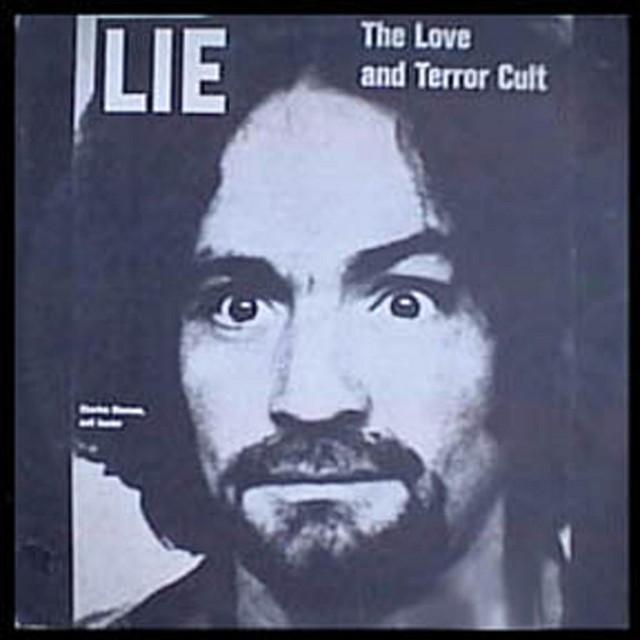
Home Is Where You're Happy by Charles Manson
The meaning of Home Is Where You're Happy Charles Manson begins with a simple idea: home is not a house, a town, or a set of possessions. In this song, home is the place where a person feels free enough to be fully themselves. That idea is easy to hear in the opening statement, which ties happiness to belonging and separates it from any place where they are controlled.
"Home Is Where You're Happy" - Charles Manson
It's not where you're not free
Your home is where you can be what you are
Loading lyrics...
Unable to load lyrics
We're unable to display the lyrics at this time. Please try again later.
A Song About Inner Freedom, Not Real Estate
At the center of the lyric is a redefinition of home. The song argues that home is where a person is emotionally safe and spiritually unconfined. When it says your home is where you're happy
, it is not talking about comfort in a material sense. It is talking about a state of being.
The next thought deepens that point by rejecting places where someone is restricted. The song frames freedom as a basic human need, then links that need to identity. In other words, they belong where they can live honestly and without disguise.
Interpretation: This makes the song feel less like a love song and more like a folk-style statement of values. It treats home as an inner condition, not an address.

Watch the official Home Is Where You're Happy
music video
The Riches It Rejects
In the second verse, the song turns outward and criticizes status. It mentions displays of wealth like castles
and diamonds
, but the point is not envy. The point is that visible success can hide emotional emptiness.
That contrast is the song's sharpest social message. People may show what they own, but they cannot easily display peace of mind. The lyric suggests that some people chase impressive things because they do not know how to live freely.
This is where the song broadens from personal advice into quiet protest. It pushes back against the idea that security comes from possessions. Instead, it says a peaceful life comes from inner liberty and emotional truth.
Leaving the Old Life Behind
The song's most forceful image appears in the line about burn all your bridges
. Paraphrased, the lyric urges a total break from whatever past life is keeping a person trapped. It is a dramatic phrase, and the song uses it to raise the stakes.
Still, the message is not only reckless escape. It immediately ties that break to personal strength, saying they can choose their own path because they are mentally strong. That matters. The song is not praising chaos for its own sake; it is praising self-trust.
A brief turning point in the lyric
Anywhere you might wander
you can make that your home
These lines shift the song from rejection to possibility. Once old limits are left behind, the world becomes livable again.
Love Makes the World Habitable
By the final verse, the song lands on its warmest idea: home can travel with them. If they carry love, then even wandering does not have to mean isolation. The repeated closing thought, love in your heart
, gives the song its emotional anchor.
That ending matters because it keeps the song from sounding cold or purely anti-society. Freedom alone can feel lonely. The lyric answers that risk by pairing freedom with love, suggesting that belonging comes from the inside and is sustained by human feeling.
Interpretation: This is why the chorus-like refrain feels comforting rather than defiant. The song believes that emotional openness can turn movement into belonging.
How the Writing Style Shapes the Meaning
The lyrics are very plainspoken. There are no dense metaphors and few narrative details. Instead, the song works through direct statements, contrasts, and repetition.
That simplicity gives the message a sermon-like quality. Each verse adds one more piece to the same belief system:
- home equals freedom
- wealth does not equal peace
- leaving can be necessary
- love prevents true loneliness
Because of that structure, the song feels almost like advice passed from one traveler to another.
What the Sound Likely Adds to the Message
The song is identified here as rock, but its lyric style leans strongly toward folk and country-inflected songwriting. That matters because songs built on acoustic guitar, steady rhythm, and uncluttered melody often make philosophical lyrics feel personal rather than abstract.
Without overcomplicated imagery, the performance has room to carry feeling. A plain arrangement would support the song's belief in stripping life down to essentials. If the vocal is relaxed or conversational, that would make the message feel even more like lived wisdom.
Interpretation: The production, whether sparse or lightly arranged, likely strengthens the theme that truth is simple while social display is noisy.
Artist Context and Why It Complicates Reception
Charles Manson is a notorious and deeply controversial figure in American history, which strongly affects how any listener approaches this song. That biographical reality shapes reception before the first line even begins. For factual background on Manson's life and criminal notoriety, readers often consult major reference summaries such as Britannica or History.
That context does not change the words on the page, but it does complicate interpretation. A song about freedom and love can sound different depending on who wrote it. Because of that, it is especially important to separate the lyric's internal message from the writer's wider public history.
Final Take on the Song's Message
So, what is the meaning of Home Is Where You're Happy Charles Manson? In the song itself, the answer is clear: home is the place where they are free, at peace, and able to love. Material success is treated as hollow if it lacks inner calm, and wandering is not frightening if they carry a stable sense of self.
That makes the song's message both simple and lasting. It says a real home is built from freedom, honesty, and love—not from walls, wealth, or appearances.
Disclaimer: This article offers interpretive analysis of the song's lyrics and themes. Interpretations can vary among listeners.








