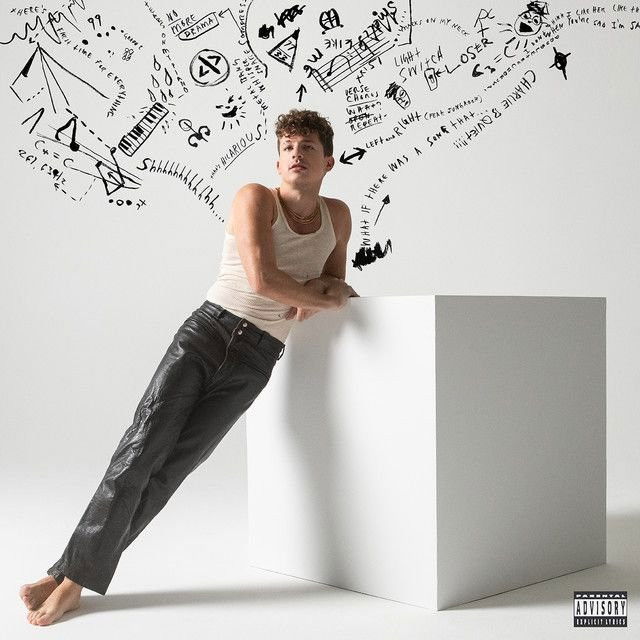
Why ‘Tears On My Piano’ by Charlie Puth Stings
They don’t just hear a breakup on this track—they hear a songwriter processing it in real time. The core meaning of Tears On My Piano is simple and striking: heartbreak seeps into the work. For listeners searching the meaning of Tears On My Piano Charlie Puth, the song captures how love, loss, and creativity blur when an artist’s instrument becomes a diary.
"Tears On My Piano" - Charlie Puth
Try to play these chords that we danced to (right before you disappeared)
Hoping that my voice will remind you (everything that we've been through)
Loading lyrics...
Unable to load lyrics
We're unable to display the lyrics at this time. Please try again later.
The hurt behind the hook
At its center is the image in the title. He blames the ex for the flood of feelings, singing tears on my piano
as both a literal mess and a metaphor. The piano is where he earns a living, but it’s also the place where grief won’t let up.
He keeps trying to write something that could repair the split, but admits every song I write sounds so sad
. Interpretation: the breakup has colonized his craft. Even when he reaches for a different mood, sorrow sneaks back in.

Watch the official Tears On My Piano
music video
Who’s talking, and to whom
The voice is first person, addressing a specific “you.” He confesses, I can't get my mind off you
, which sets the obsessive tone. He even protects their privacy—I won't say any names
—while still making sure they feel the message. That privacy line suggests the hurt is real, and that he expects the person to recognize themselves.
What actually happens in the song
Narratively, the track plays out like a loop many heartbroken people know:
- He returns to the scene of happiness and tries to recreate it:
try to play these chords
they once danced to. - He hopes broadcasting his voice will trigger a shared memory. If the song hits the radio, maybe it will reach them.
- He realizes he’s stuck in one mood; everything he writes leans sad.
- He accepts that the piano is where grief and work meet:
music for crying
is all he can make right now.
This loop mirrors the album’s larger idea. Puth has described CHARLIE as a candid, self-facing project built from a painful period and a fresh, public creative process. He’s spoken about 2019 as a low point and the album as a mirror of that time. The song fits that reflection perfectly.
Symbols that press the bruise
- Tears: Physical sorrow turned into sound. The image says that emotion literally interferes with performance.
- Piano and chords: The workplace as a memory machine. When he reaches for those same harmonies, they now hurt.
- Radio and car: Public spaces where private feelings suddenly appear. He imagines the ex hearing his voice while driving, turning a commute into a confrontation.
- Not naming names: A boundary. He protects identities, but not emotions. That choice makes the confession feel honest, not vindictive.
Together, these symbols show a person trying to control grief through craft—and failing in a very human way.
Why the sound feels bright but breaks you
The production leans into Puth’s trademark: glossy pop with emotional contrast. The piano leads, supported by tight, modern drums and stacked background vocals. The hook is sticky and rhythmic, even while the lines dwell on loss. That “sad lyric, happy sound” trick is a Puth specialty, making the song easy to replay while the words keep stinging.
On CHARLIE, he often wraps vulnerable topics in upbeat textures, a move he’s discussed as part of being more direct and honest with listeners while still delivering pop satisfaction. The shine doesn’t erase the pain—it frames it, letting them dance with it for three minutes.
Place in the CHARLIE chapter
Tears On My Piano lands squarely in the album’s confessional arc. Puth has called CHARLIE a dialogue with himself and has linked its songs to a real breakup and a tough creative year. He also involved fans in the process, sharing pieces of songs and feelings as he built the record. This track sounds like the moment where he admits the breakup is shaping not just his life, but his output.
Co-writers Jacob Kasher Hindlin and Jacob Casey Torrey help sharpen the storytelling. The lines are clear, the images grounded, and the chorus resolves into a direct message any listener can hold onto.
Alternate readings to consider
- Interpretation: It’s also about creative block. The ex symbolizes any force that hijacks inspiration. The repeated admission that everything “sounds so sad” hints at fear of repeating himself.
- Interpretation: It’s a comment on pop transparency. He knows the person will hear it in public and recognize it. By refusing to name them, he both protects and performs, acknowledging how modern songs travel into everyday life.
Playlist takeaway and disclaimer
If they’re building a heartbreak playlist, this track offers the sweet-spot mix: a clean, catchy chorus with a vivid image of grief. That’s the lasting meaning of Tears On My Piano Charlie Puth—how love can stain the very keys you use to move on.
Interpretation note: Song meaning is subjective. This analysis reflects one informed reading based on lyrics, context, and production choices.








