Why Cheap Trick Turned Need Into a Pop Classic
The meaning of I Want You to Want Me Cheap Trick starts with a very simple idea: wanting love is not enough. The song is really about wanting love returned, confirmed, and mirrored back. That is why the hook still lands so hard. It is not cool, distant, or mysterious. It is blunt, needy, and instantly human.
"I Want You to Want Me" - Cheap Trick
I need you to need me
I'd love you to love me
Loading lyrics...
Unable to load lyrics
We're unable to display the lyrics at this time. Please try again later.
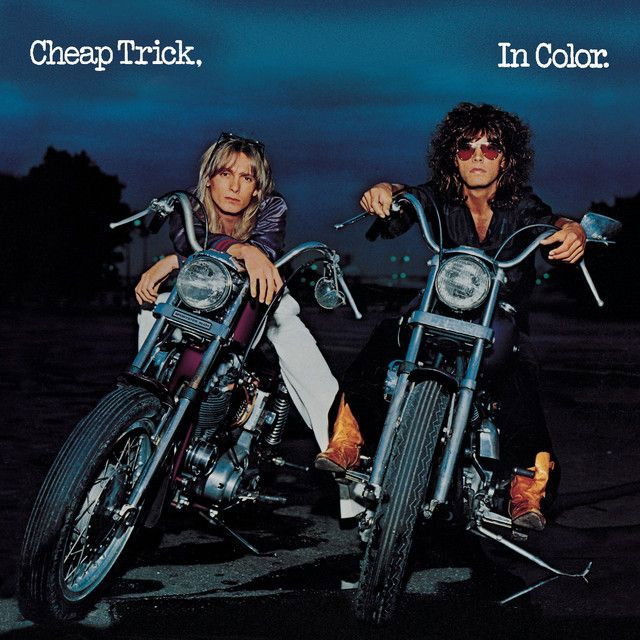
Cheap Trick released the song first on In Color in 1977, and it was written by Rick Nielsen. The studio cut did not become a major U.S. hit, but the live version from Cheap Trick at Budokan turned it into the band’s signature song and their first U.S. Top 10 hit, reaching No. 7 on the Billboard Hot 100, according to the research summarized from Wikipedia and Songfacts.
A Chorus Built on Mutual Need
What makes the song stand out is that the narrator does not only ask for affection. They ask for matching feelings. In the chorus, phrases like I want you to want me
and I need you to need me
push the emotion past ordinary romance.
That matters because the song is not about quiet devotion. It is about emotional symmetry. The speaker wants proof that the other person feels the same pull. Interpretation: that is why the song can feel both romantic and slightly unsettling. It turns love into a kind of echo chamber, where desire only feels safe if it comes back with equal force.
There is also a smart tension in beggin' you to beg me
. The line sounds funny at first, but it reveals a power struggle. The narrator feels weak enough to plead, yet still dreams of being wanted so badly that the other person would plead too.
Watch the official I Want You to Want Me
music video
Small Details, Big Insecurity
The verses bring the emotion down to earth. The narrator offers everyday actions, including old brown shoes
and a brand new shirt
. They will get home early from work and make themselves presentable if love is promised.
Those details are important because they are ordinary. This is not a grand poetic fantasy. It is someone thinking, maybe if they dress better, act better, and show effort, they can earn affection. Interpretation: the song captures the insecurity of believing love can be won through self-improvement alone.
That is part of why the lyrics feel so relatable. Many love songs promise the moon. This one promises cleaned-up shoes and better timing. It sounds humble, almost painfully so.
The Crying Lines Change the Mood
The song is not only about the narrator’s need. It also hints that the other person is hurting. The repeated image of see you cryin'
suggests that the narrator has noticed loneliness and emotional pain.
Feelin' all alone without a friend
You know you feel like dyin'
That brief moment adds weight to the song. It suggests the speaker is not chasing a fantasy from nowhere. They think they have seen vulnerability in the other person, and they are using that as hope. Interpretation: this can be read two ways. Either the narrator truly sees someone in pain and wants to connect, or they are reading too much into that sadness because they desperately want the relationship to be real.
That ambiguity gives the song depth. It is catchy on the surface, but underneath it asks whether wanting to be needed can distort how people read each other.
Why the Sound Matters So Much
One reason the song lasted is that its meaning changes depending on the arrangement. Research notes that the 1977 studio version on In Color had a lighter, almost music-hall feel, with tack piano, finger snaps, and a more playful style. Producer Tom Werman later described it as a dance-hall or burlesque-style pop tune in the research provided.
That lighter sound makes the lyrics feel almost like parody. The neediness seems exaggerated on purpose, like the song is winking at old-fashioned romance.
The famous 1979 Budokan live version does the opposite. It is faster, louder, and more rock-driven. The crowd response turns the chorus into a shared shout rather than a private plea. That shift matters. A lonely request becomes a communal anthem.
This is the biggest key to the meaning of I Want You to Want Me Cheap Trick: the words stay the same, but the performance changes the emotional effect. In the studio, it can sound theatrical and odd. Live, it sounds urgent, joyful, and huge.
A Hit That Found Its Right Form
The song’s history also supports its meaning. Research shows the studio single did not break through in the U.S., while the Budokan live cut became a smash and helped define Cheap Trick’s image. Critics later praised the live version for its energy and hook, and the band themselves were not fully satisfied with the softer original production.
That tells readers something useful: this song always had a great emotional core, but it needed the right sonic frame. The live arrangement let the tension inside the lyrics come through more clearly. It exposed both the desperation and the excitement.
The Best Way to Read the Song
A fair reading is that the song lives in two moods at once:
- sincere longing for returned love
- comic exaggeration of romantic need
- insecurity hidden inside a perfect pop hook
That blend is why it endures. Cheap Trick made a song that sounds fun to sing with a crowd, but underneath it is about vulnerability, self-doubt, and the deep wish to be chosen.
In the end, the song is not complicated in language, but it is richer in feeling than it first appears. It turns emotional dependence into something catchy, slightly awkward, and unforgettable.
Disclaimer: This interpretation focuses on lyrical themes, performance, and release context. Like many pop songs, its meaning can shift depending on the listener and the version they hear first.









