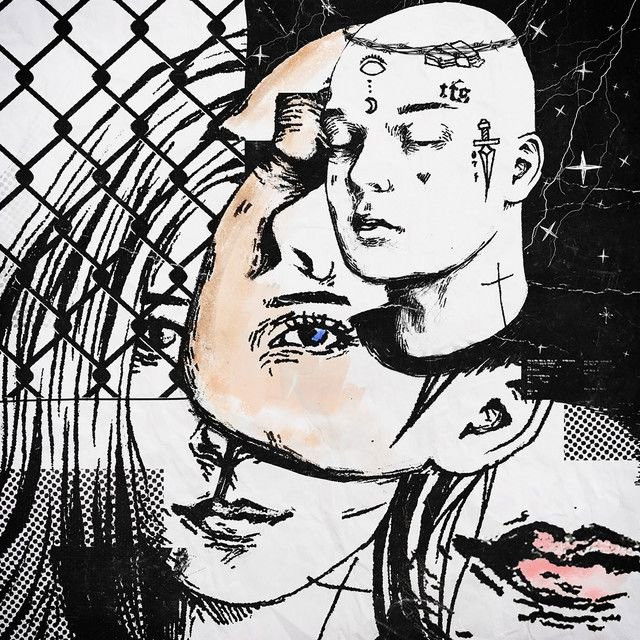
Living Life, In The Night by Cheriimoya, Sierra Kidd
They come to this track looking for the meaning of Living Life, In The Night Cheriimoya, Sierra Kidd, and they find a confession wrapped in a late-night prayer. It’s a story of pressure, family weight, and reckless relief. The singers wrestle with fear and faith, survival and self-destruction, while the beat keeps moving forward like a heartbeat that won’t slow down.
"Living Life, In The Night" - Cheriimoya, Sierra Kidd
Every time and they reachin' out for what's mine
Lord knows and I think I know it too sometimes
Loading lyrics...
Unable to load lyrics
We're unable to display the lyrics at this time. Please try again later.
A Midnight Prayer: What This Track Confronts
The song frames struggle as a ritual. With the recurring plea Lord knows
, they tip the hat to a higher power, yet they also admit doubt. The hook’s core image—living life in the night
—turns darkness into both cover and stage.
Interpretation: Night here is double-sided. It’s the only time they can breathe, but it’s also where risks stack up. When they add hope I don't die
, they admit that escape and danger are now the same place.
Watch the official Living Life, In The Night
music video
Who’s Speaking When the Lights Go Out
The voice shifts between “I” and “we,” suggesting a first-person narrator who still sees themselves as part of a crew. They’re not speaking to one person so much as addressing anyone who knows the grind—the ones who keep going after midnight, the ones who pray and push at once.
The line reaching out for what's mine
signals that survival also feels like a heist. Every win seems contested. They’re defending space, income, maybe even identity.
From Cramped Rooms to Cold Nights: The Timeline
The verse compresses a life into a few snapshots:
Two bedrooms, seven little childs
Call my brother, he in prison
Tried my best to catch a smile
These images speak for themselves. Space is scarce, family is hurting, joy is rare. The phone call to a locked-up brother drags daylight into the night, showing how daytime problems never clock out.
Then comes the fatal marker: ain't hitting the 35
. Interpretation: They fear not making it to a calm, middle-age future—because of violence, burnout, or the lifestyle that comes with chasing quick relief.
Why the Hook Hits Hard
The chorus loops like a mantra, merging insomnia, hustle, and faith. By repeating the night-life image, it reframes the verses: risk isn’t occasional; it’s routine. Interpretation: The hook says survival requires motion, and motion requires belief—however thin that belief feels. The prayer isn’t neat; it’s shouted over sub-bass.
Symbols in the Dark
- Night: Freedom and danger at once, the setting for choices they can’t make in daylight.
- The crowded home: Proof that money and space are tight, fueling urgency.
- Prison: A reminder that systems and streets are stacked against them.
- The missed smile: Emotional numbness; tired people forget what joy looks like.
- Age 35: A private finish line. Hitting it would mean safety; missing it means tragedy.
The Sound of Sleepless Survival
Production leans moody and minimal: minor-key synth pads, a dry-but-deep 808, and tight percussion. The tempo is brisk enough to feel like movement, but not party-fast—more like a stride through empty streets. Reverb-laced vocals float over the mix, creating a sense of distance, as if the narrator is talking from the far end of a tunnel.
Small choices carry meaning. The hook’s melody sits in a narrow range, which feels obsessive and stuck—perfect for a mind looping through the same fears. The low-end pressure mimics anxiety: it’s there even when the lyrics pause. Together, these touches make the track feel urgent yet hollow, like the rush of staying up too long.
Other Ways to Hear It
- Interpretation: A grind anthem. Some listeners might hear tough love toward self—“keep moving, take what’s yours”—with the prayer as protection.
- Interpretation: A mental health diary. Sleeplessness, a forced smile, and fear of an early death read like anxiety and depression at street level.
- Interpretation: Commentary on scarcity. The two-bedroom image points to systemic lack; the night becomes the only time to hustle, legal or not.
Take This With You
This song captures what happens when relief and risk share the same door. The meaning of Living Life, In The Night Cheriimoya, Sierra Kidd lands hardest in that tension: faith as a seatbelt, movement as medicine, and darkness as both shelter and threat.
Disclaimer: Song interpretations are subjective. This article blends textual analysis with informed inference and may not reflect the artists’ own intent.








