Why Cherrelle’s Hit Still Feels So Direct
The meaning of I Didn't Mean To Turn You On Cherrelle starts with a simple but still powerful idea: attention is not a promise. Cherrelle’s 1984 single turns an awkward date-night misunderstanding into a firm statement about boundaries, pressure, and self-respect.
"I Didn't Mean To Turn You On" - Cherrelle
Let you take me out
I knew what you were all about
Loading lyrics...
Unable to load lyrics
We're unable to display the lyrics at this time. Please try again later.
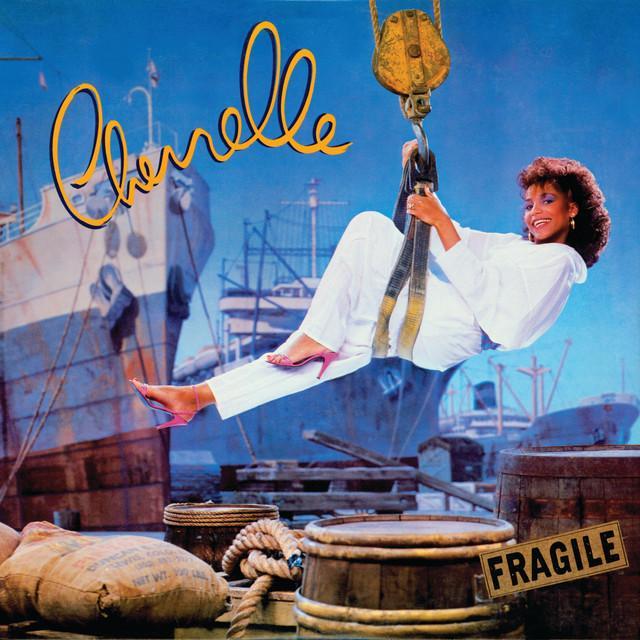
Released as Cherrelle’s debut single from Fragile in April 1984, the track was written and produced by Jimmy Jam and Terry Lewis and became a hit on the US R&B and dance charts, reaching No. 8 on Billboard’s Hot Black Singles and No. 6 on the dance chart, with a Hot 100 peak of No. 79, according to Wikipedia. Those chart facts matter because they show how a song with a blunt message still connected in clubs and on radio.
A Dance Song With a Hard Boundary
At its core, the song is about someone correcting a false assumption. The narrator goes out, enjoys the moment, and then realizes the other person thinks the night should end in sex. Their answer is clear: that was never the deal.
Short phrases like you read me wrong
and I want a friend
sum up the whole conflict. The speaker is not teasing or playing games. They are saying the other person mistook friendliness for consent.
Interpretation: This is why the song still lands. It is not only about attraction. It is about the right to define what a date means.

Watch the official I Didn't Mean To Turn You On
music video
How the Story Unfolds Line by Line
The verses move in a straight line, which helps the song feel realistic.
- They accept the date and know the other person is interested.
- The evening seems social and light.
- At the doorstep, the pressure appears.
- The narrator refuses and explains they were
only trying to be nice
. - That refusal reveals the mismatch in expectations.
One of the song’s sharpest moments is when the narrator mentions a one-night stand
. That phrase raises the stakes. Suddenly, this is not a vague misunderstanding. It is a direct clash between one person’s expectation and another person’s boundary.
The Chorus Turns Defense Into Power
The repeated hook, I didn't mean to turn you on
, can sound apologetic at first. But the more the song repeats it, the less it feels like guilt and the more it feels like correction.
That shift is key to the meaning of I Didn't Mean To Turn You On Cherrelle. The chorus does not admit wrongdoing. It rejects blame. The narrator is saying: if attraction happened, that does not create an obligation.
Why should I feel guilty
'cause I won't give in?
This is the song’s emotional center. In two short lines, it pushes back against a common pressure tactic: making someone feel cruel for saying no.
What the Lyrics Say About Gender and Expectation
The song works because it captures a social script many listeners recognize. A person can be warm, playful, or dressed up for a night out, and still owe nothing beyond what they freely choose.
When the narrator says all I wanna do is dance
, the message is almost plainspoken to the point of frustration. They are not speaking in riddles. They are saying exactly what they wanted from the night.
Interpretation: There is also a quiet feminist edge here. The song resists the old idea that women are responsible for managing male desire while also being blamed for provoking it. The narrator refuses both roles.
That reading gained an interesting afterlife when Robert Palmer covered the song in 1986. As summarized by Wikipedia, Palmer said he liked the music but found the lyrics sexist and recorded it partly as an ironic role reversal. Whether one agrees with him or not, that reaction shows how provocative the song’s perspective could be.
Why the Sound Makes the Message Hit Harder
Jam and Lewis built the track in the sleek early-80s Minneapolis sound: crisp drum-machine grooves, funk bass movement, bright synths, and a dancefloor pulse. Wikipedia lists the song among R&B, funk, and Minneapolis sound, and those tags fit.
That production choice matters. The beat is inviting, even flirtatious. But the lyric underneath it is defensive and firm. This contrast gives the song tension. Listeners can move to it while also hearing the narrator draw a line.
Cherrelle’s vocal helps too. They keep the tone light enough to match the groove, but there is steel in the delivery. The performance suggests someone trying to stay polite while becoming more direct by the second.
The Ending Is More Sad Than Triumphant
By the final lines, the song stops sounding like a simple misunderstanding and starts sounding like a relationship breakup. The narrator says friendship was the real hope, but now that hope is gone.
That detail gives the song extra depth. It is not just about rejecting pressure. It is also about disappointment. The speaker learns that the other person valued access more than connection.
So the meaning of I Didn't Mean To Turn You On Cherrelle is bigger than its title. It is about consent, yes, but also about being misread, blamed, and finally forced to end something because respect was missing.
Why It Still Connects Today
In modern language, this song speaks to boundary-setting. Long before those conversations became common in pop culture, Cherrelle’s hit was already saying that mixed signals are not the same as consent, and that saying no should not require an apology.
That is why the track endures. It is catchy, club-ready, and emotionally clear. Under the glossy 1984 production is a message that remains current: attraction does not cancel autonomy.
Disclaimer: This article offers interpretation based on the lyrics, performance, and available historical context. Meaning can vary from listener to listener.








