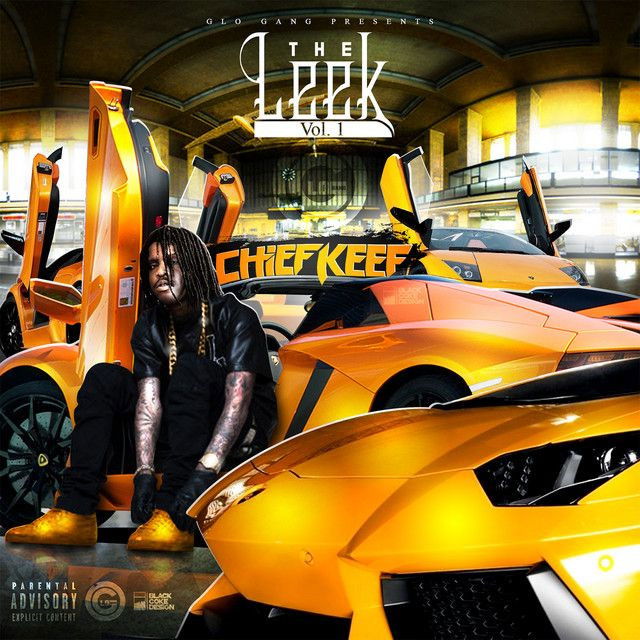
War by Chief Keef
A Threat Song Built on Repetition
When people search for the meaning of War Chief Keef, the simplest answer is this: it is a taunt. The song is less about a literal battle plan and more about dominance, intimidation, and public disrespect. Chief Keef turns conflict into performance, repeating the central idea until it sounds unavoidable.
"War" - Chief Keef
Pussy boy don't want war
Boy don't want war
Loading lyrics...
Unable to load lyrics
We're unable to display the lyrics at this time. Please try again later.
The hook does most of the work. By saying don't want war
again and again, they frame the opponent as scared before the verses even begin. That matters because the song is not interested in debate or nuance. It is interested in control.
This is common in drill music, a style strongly linked to Chicago and to Chief Keef’s early rise. In that scene, repetition can feel like pressure. A line does not just return because it is catchy; it returns because the artist wants it to stick like a warning.

Watch the official War
music video
What the Lyrics Are Really Saying
At a story level, the song presents a speaker who believes enemies talk online or in private but will back down in real life. The repeated insult pussy boy
is meant to humiliate, while the title idea of “war” becomes a test of who is real and who is pretending.
The verses widen that message. Chief Keef mixes threats, boasts, drug references, wealth talk, and neighborhood callouts into one stream. That can sound chaotic at first, but it serves a clear purpose: the song builds an image of someone surrounded by danger yet fully at home in it.
A brief stretch captures that mocking challenge:
you like to Twitter beef
how you warrin'
Here, the song draws a line between online aggression and real-world risk. The target is portrayed as someone who performs toughness on social media but cannot back it up offline.
Conflict, Status, and Street Theater
One key part of the meaning of War Chief Keef is status. This is not only a violent song; it is also a ranking song. The artist lists cars, money, weapons, and influence to show that they have more reach than the people they are insulting.
That is why a flex line like pull up in that 'Rari
matters. It is not just about owning an expensive car. It says mobility, money, and visibility all belong to the speaker. In rap, especially drill, those details often signal power as much as direct threats do.
There is also a strong theme of distrust. The verse mentions hidden motives and fake loyalty, suggesting a world where friendship can quickly turn into danger. That paranoia is not a side note. It is part of the emotional climate of the song.
How the Hook Turns Fear Into a Weapon
Hooks in drill often work like chants, and “War” follows that model. The repeated phrase want war
works in two ways at once. On the surface, it sounds like a challenge. Underneath, it is an accusation that the other person does not actually want the consequences.
Interpretation: this repetition may be the song’s smartest move. Instead of proving bravery through a detailed story, Chief Keef tries to win by defining the opponent as weak from the start. Once that idea is planted, every boast and threat in the verse feels like supporting evidence.
That is why the chorus can feel almost hypnotic. It reduces a complex feud into one simple message: they are ready, and the other side is not.
Why the Sound Matters as Much as the Words
Chief Keef became one of drill’s defining voices during the era around Finally Rich, and songs like “War” show why. Their delivery is blunt, heavy, and often more rhythmic than conversational. They do not sound like they are explaining themselves. They sound like they are pressing a point.
Production-wise, the track leans on the hard edges associated with drill: pounding rhythm, sparse melody, and a dark, looping structure that leaves lots of room for menace. The beat does not soften the lyrics; it amplifies them. The repetitive instrumental mirrors the repetitive hook, making the whole song feel stuck inside one aggressive mood.
This approach fits the wider history of drill music, where stark beats and confrontational delivery often carry as much meaning as the lyrics themselves. In “War,” the sound tells listeners that the song is not trying to be reflective. It is trying to overwhelm.
A Performance of Invincibility
Another part of the meaning of War Chief Keef is the mask it puts on. The song projects invincibility, but that kind of nonstop aggression can also suggest insecurity beneath the surface. When an artist insists over and over that nobody wants problems, they may also be answering a world where threats feel constant.
Interpretation: that does not make the song vulnerable in an obvious way, but it does make it revealing. Its anger sounds like identity armor. The threats, jokes, and flexes all help build a character who cannot be embarrassed, doubted, or touched.
That idea appears in lines about being protected, armed, and unbothered. Even when the verse jumps between images, the emotional logic stays the same: survive by looking untouchable.
The Lasting Takeaway
“War” is one of Chief Keef’s most direct statements of hostility. It strips conflict down to mockery, intimidation, and social dominance, then uses repetition to make that message hit harder. For listeners asking about the meaning of War Chief Keef, the song is best understood as a drill anthem where fear itself becomes the battleground.
It is less a story than a pressure tactic. Every repeated insult, every boast, and every hard beat serves the same goal: to make the opponent seem small and the speaker seem inevitable.
Disclaimer: This interpretation is based on the released lyrics, the song’s sound, and Chief Keef’s broader artistic context. As with most art, listeners may hear different meanings.








