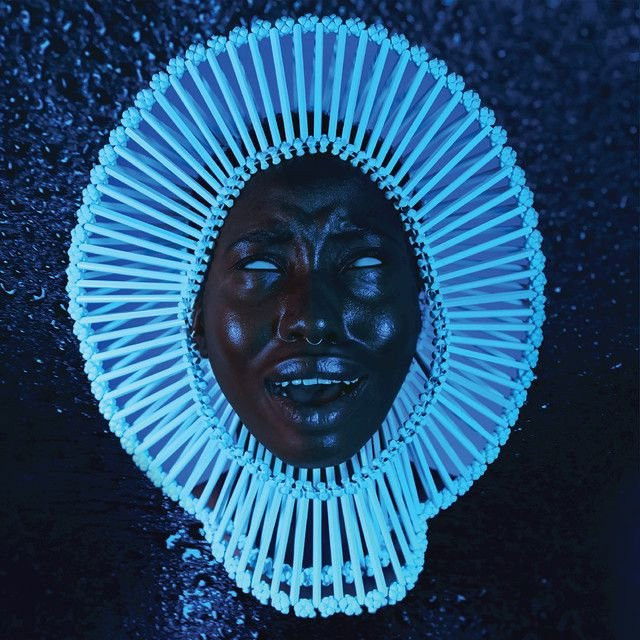
Boogieman by Childish Gambino
If a monster under the bed is made to scare kids, Childish Gambino’s monster is made to wake up adults. Boogieman takes a childhood myth and turns it into a sharp portrait of racial fear in America. For readers searching for the meaning of Boogieman Childish Gambino, this track shows how a stereotype can become a deadly self-fulfilling prophecy—and a community’s plea.
"Boogieman" - Childish Gambino
I'm gonna come and get you
If you point a gun at my rising sun
Loading lyrics...
Unable to load lyrics
We're unable to display the lyrics at this time. Please try again later.
The Monster Is a Mirror: Core Meaning
Boogieman is about how Black men are cast as threats before they speak or move. When the narrator says I'm the boogieman
, it isn’t a confession—it’s a reflection of how he is seen. The song argues that fear projects guilt onto innocent people.
Interpretation: Gambino flips the power of myth. The “boogieman” isn’t a villain by nature; he’s the product of society’s story about him. That story sends consequences into the real world.
Watch the official Boogieman
music video
Who’s Speaking, Who’s Afraid?
The lyrics set up a face-off: With a gun in your hand
signals authority or vigilantes already primed to shoot. The speaker addresses that fear directly, forcing the listener to feel how accusation arrives before facts.
When the crowd chants help us, can you?
, it becomes a community voice. They’re not asking the fearful for mercy; they’re asking anyone who hears to step in. Interpretation: the plea doubles as a challenge to the very myth that created the danger.
A Tense Timeline in Brief
- The label arrives first: he’s defined as the boogeyman.
- The judgment follows: in their heads,
we have done the crime
, whether or not it’s true. - The plea escalates: the chorus asks for help again and again, suggesting both fatigue and resolve.
- The global irony lands: the world knows the ideals of equality, yet fear still rules the moment.
Each beat underlines a single idea: stories can harm as much as bullets when they aim at living people.
The Hook as a Plea, Not a Threat
On first listen, the hook can sound ominous. But the refrain—voiced as a call-and-response—reads as a community huddle under pressure. Interpretation: it reframes menace into solidarity. The boogeyman, once a tool of control, is turned into a guardian figure the people summon when institutions fail.
Symbols Under the Bed: Guns, Sun, and Shame
- The Gun: The song opens with a weapon in hand. Interpretation: it represents the hair-trigger of profiling and the way fear arms itself.
- The Sun: The phrase
my rising sun
evokes hope, visibility, and future. Pointing a gun at it suggests resisting Black progress as it dawns. - The Crime: The line
we have done the crime
captures how suspicion becomes a verdict before any act occurs. It’s guilt assigned by stereotype. - The Boogeyman: A myth parents use becomes a myth society uses. Interpretation: by wearing the mask, the singer exposes the mask.
Funk as Protest: How the Sound Works
Musically, Boogieman sits in the psychedelic soul and P-Funk lane that defines “Awaken, My Love!”: rubbery bass, fuzzed-out guitars, and chanted gang vocals. The groove slinks rather than sprints, letting dread simmer. Gambino stretches his voice from sneer to falsetto, dramatizing the switch between menace and vulnerability.
Ludwig Göransson’s co-production stacks vintage textures—dry drums, swampy reverb, and call-and-response backing parts—so the track feels like a haunted juke joint. Interpretation: the retro palette honors Black musical ancestors while indicting a present that still treats Black bodies as targets. The sound is party and panic at once.
What the World Knows vs. What the World Does
A striking moment points out that people everywhere know the words of Black leaders and movements. Yet, as the song implies, knowing slogans is not the same as freeing people. Interpretation: public reverence can hide private fear. If a nation salutes ideals but still flinches at a face, progress stalls.
Alternate Readings, Same Chill
- The Boogeyman as Media Creation: Interpretation: the character is a headline built in newsrooms that prefer fear. Evidence: accusations arrive before action.
- The Boogeyman as Protector: Interpretation: the chorus asks the feared figure for help, flipping him into a guardian when systems fail.
- The Boogeyman as System: Interpretation: the “monster” is actually the structure holding the gun; the “I” is mimicry to show how power names itself innocent.
Each angle points to the same engine: fear weaponized by story.
Takeaway: What Sticks After the Fade-Out
Boogieman makes listeners feel how a myth tightens like a grip. By the end, the plea help us, can you?
lingers—not as weakness, but as resolve. For anyone asking about the meaning of Boogieman Childish Gambino, the answer is clear: change the story, or live with the monster it makes.
Disclaimer: Song interpretations are subjective. This analysis blends textual evidence with informed inference and may differ from the artist’s intent.
Sources
- https://en.wikipedia.org/wiki/%22Awaken,_My_Love!%22
- https://genius.com/Childish-gambino-boogieman-lyrics
- https://www.npr.org/2016/11/27/503700584/first-listen-childish-gambino-awaken-my-love
- https://www.billboard.com/music/rb-hip-hop/childish-gambino-awaken-my-love-interview-7587633/
- https://pitchfork.com/reviews/albums/22569-awaken-my-love/









