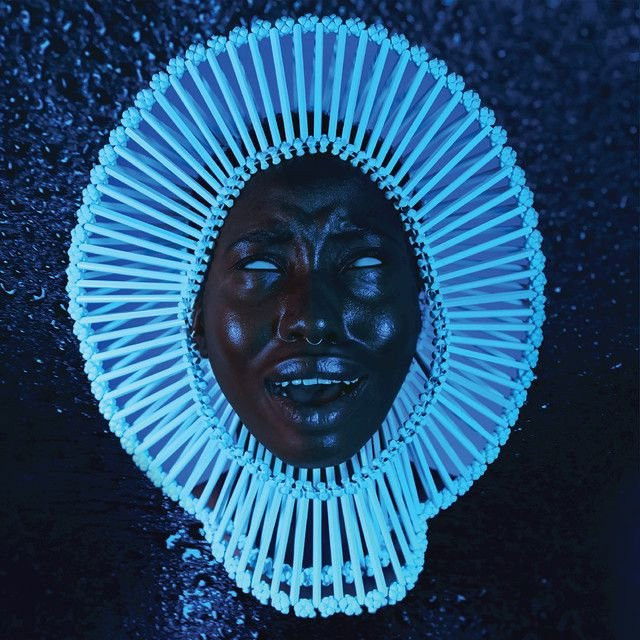
Zombies by Childish Gambino
The song turns a funky strut into a horror scene. That clash is the point. If you’re searching for the meaning of Zombies Childish Gambino, think of a monster movie aimed at real-world greed. Gambino looks at systems that feed on people and asks whether anyone is truly safe inside them.
"Zombies" - Childish Gambino
Walking all around us
You can hear them coming (they come to take your life)
Loading lyrics...
Unable to load lyrics
We're unable to display the lyrics at this time. Please try again later.
Predators Wearing Smiles: What the Song Is Really Saying
Zombies isn’t about the undead. It’s about people and institutions that feel undead—moving without conscience and consuming without limit. When the narrator says All I see is zombies
, they frame a society where exploitation is normal.
Interpretation: the “zombies” are exploiters—industry gatekeepers, venture capital money, clout chasers, even mobs online. The line They can smell your money
sharpens the target. Value isn’t human; it’s transactional. The repeated chant There is no way to stop it
suggests how unstoppable these forces appear when you face them alone.
Watch the official Zombies
music video
Who’s Talking, and Why That Matters
The voice switches mid-song. It starts as a witness warning others, then the pack speaks. That shift is chilling: the prey hears the hunters boast in first person.
We’re coming out to get you We’re oh, so glad we met you
By letting the “zombies” gloat, Gambino dramatizes power. They don’t just exploit; they enjoy the chase. The taunt makes the critique feel personal, like harassment dressed as business.
A Quick Timeline of the Hunt
- Opening sighting: a watcher notices the approach and sounds the alarm.
- Escalation: the crowd closes in, fixated on gain—money, status, control.
- Chorus threat: the chorus becomes the predator’s voice, mapping the feeding cycle.
- No refuge: the world narrows to
no safe place to hide
, a metaphor for a market that touches every corner of life. - Final jab: the question
Do you feel alive?
forces listeners to check whether they’re awake—or already numb.
Why the Hook Bites: Profit as a Horror Motif
The line We’re eating you for profit
is the thesis. It’s not simple theft; it’s consumption. The image evokes workers drained by deadlines, artists squeezed by contracts, neighborhoods flipped for margins. Interpretation: the song argues that in a winner-take-all economy, humanity gets priced out.
The repeated There is no way to stop it
works like a siren. It captures how systems can feel inevitable, even when they are made by people. The fear is the point—fear makes people comply.
Symbols You Can Hear: Breaths, Chants, and a Grinding Groove
The production, led by Donald Glover and Ludwig Göransson, leans on psychedelic soul and 1970s funk textures: rubbery bass, choral backing, and a gritty, analog feel. That sound nods to protest funk, where sweet grooves smuggle sharp critique.
- Breathing imagery: “breathing down your spine” maps anxiety. The mix feels close, like hot air on the neck.
- Herd vocals: layered voices act like a crowd—many, hungry, synchronized.
- March-like rhythm: the steady pulse suggests the grind of profit cycles, a machine that doesn’t stop.
Harmonies bloom and then press in, as if the room shrinks. The arrangement stages a siege: beauty at the surface; menace underneath.
The Sonic Cast of Characters
Glover’s vocal shifts—from warning to mockery—are the drama’s engine. Göransson’s textural choices (thick bass, wah-streaked guitar, choral pads) give the “zombies” weight. Contributions from players like Chris Hartz and Ray Suen add muscular drums and eerie color, rounding out the cinematic feel.
Two Plausible Readings (Both Hold Up)
-
Music-industry critique: The “zombies” are suits, algorithms, and trend-chasers feeding on an artist’s work. The scent of money draws them; master ownership and streaming margins keep them fed. Interpretation: the chorus is the contract speaking.
-
Cultural consumerism: Beyond music, the song skewers a broader appetite—gentrifiers flipping blocks, apps turning attention into ad dollars, social swarms rewarding outrage. Interpretation: anyone can become a zombie when profit eclipses people.
Both readings meet in the same place: systems without empathy produce undead outcomes.
What the Final Question Demands
By ending on Do you feel alive?
, the song flips the mirror onto listeners. Feeling “alive” here means resisting numbness—choosing care over clout, community over extraction. The track doesn’t offer a policy plan. It offers a test of conscience.
Takeaway: A Funky Warning for an Always-On Economy
If you’re chasing the meaning of Zombies Childish Gambino, think of it as a warning wrapped in a groove. The music lures you closer; the story shows teeth. In Gambino’s world, the scariest monsters aren’t in graveyards—they’re in boardrooms, feeds, and crowds that forget you’re human.
Disclaimer: Song meaning is interpretive. This article offers critical commentary based on publicly available credits and common thematic analysis.









