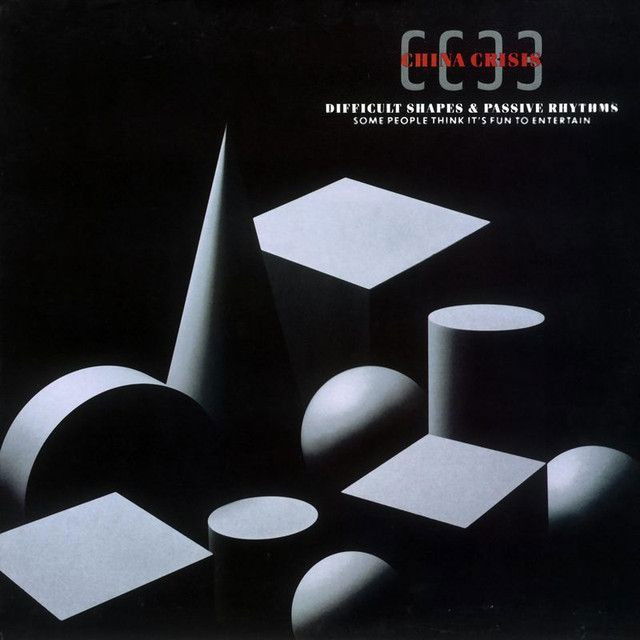
What “Seven Sports for All” Is Really Saying
The meaning of Seven Sports for All China Crisis is not easy to pin down in one sentence, and that is part of the appeal. This is an early China Crisis song, built from clipped images and ideas rather than a clear plot. Instead of telling a story straight through, they sketch a world of movement, style, envy, and emotional distance.
"Seven Sports for All" - China Crisis
Swaying with your rhythm
Never making gestures
Loading lyrics...
Unable to load lyrics
We're unable to display the lyrics at this time. Please try again later.
That approach fits the band’s beginnings. China Crisis formed near Liverpool in 1979 as Gary Daly and Eddie Lundon built a sound shaped by post-punk, synth-pop, and art-pop influences, later becoming one of the notable UK acts of the 1980s. Their early work often leaned abstract before their bigger chart years arrived. The band history and lineup details are well documented by major reference sources such as Wikipedia.
The central idea hiding in plain sight
At its core, the song seems to be about people turning themselves into images. The opening presents someone shining with character
and moving with rhythm, but the praise feels cool rather than warm. They are being watched almost like a figure in a gallery or on a screen.
Then comes the refusal: I haven't got the time
. That short line matters. It suggests the speaker sees the performance but does not want to be pulled into it. Interpretation: they may be rejecting social games, romantic posing, or a fashionable scene that values appearance over honesty.
Watch the official Seven Sports for All
music video
Why the title sounds bigger than the song
The repeated phrase Seven sports for all
is strange on purpose. It sounds like a public slogan, maybe something cheerful, organized, and inclusive. But in context, it feels oddly mechanical, almost impersonal.
Interpretation: the title may hint at systems that sort people into roles. “Sports” can suggest rules, competition, and spectatorship. “For all” sounds democratic, but the song’s mood is more uneasy than welcoming. That tension gives the hook its power.
A song about movement, but not freedom
One key line speaks of movements which involve persons changing
. That phrase is important because it links motion to identity. These are not just physical movements. They are changes in self-presentation, loyalty, or feeling.
In that sense, the song is less about action than adaptation. People shift to match an image, a future, or a social demand. The repeated wording makes this feel ongoing, as if change has become routine.
The speaker stands outside the crowd
The song’s voice stays observational. Even when it reacts, it does not fully enter the scene. That distance is what gives the lyrics their cool, early-1980s art-pop feel.
Rather than confessing, they watch. Rather than arguing, they note details. That restraint makes the world of the song feel stylish but emotionally guarded.
Image, jealousy, and a harder edge
Midway through, the lyric turns sharper with pointed steel and jealousy
. That is one of the song’s most vivid phrases. It adds threat to a song that already feels socially tense.
“Steel” can suggest modern machinery, coldness, or even violence. Paired with jealousy, it turns image-making into competition. Interpretation: what first looked glamorous now looks dangerous, as if beauty and rivalry are fused together.
The phrase about slipping through an image deepens that feeling. Identity here is slippery, unstable, and maybe false. People are not simply being themselves. They are passing through roles, surfaces, and projections.
How China Crisis’s sound supports the meaning
This song also makes more sense when heard through the band’s early style. China Crisis began with a lean, synth-led approach influenced by acts like OMD and the Human League, while still carrying traces of post-punk and Brian Eno-inspired atmosphere, as summarized in Wikipedia’s band overview.
That matters because abstract lyrics often need the arrangement to finish the thought. In early China Crisis, the sound can feel precise, cool, and lightly detached. Synth textures and clipped rhythms create a sense of design rather than release.
For a song like this, that is perfect. The music likely reinforces the themes of pattern, pose, and emotional distance. Instead of dramatic outpouring, they favor controlled surfaces. The production style makes the song feel as if it is observing modern life from a few steps back.
Two strong ways to read the song
There is more than one fair reading of the meaning of Seven Sports for All China Crisis.
Reading one: a critique of social performance
The strongest interpretation is that the song criticizes a world where people become images. Character, rhythm, gestures, and “future” all sound like parts of a social display. The speaker notices the display but refuses to invest in it.
Reading two: a portrait of modern alienation
A second reading is broader. The song may capture how modern life turns people into moving parts inside larger systems. The title phrase sounds institutional, while the lyrics describe people changing, slipping, and competing. In that reading, the song is less about one relationship and more about a whole culture.
Why the song still stands out
Even among early China Crisis material, this song is memorable for how much it suggests with so little. Daly, Lundon, and Dave Reilly are credited as writers in the information provided here, and that compact writing style gives the track its mystery.
They do not explain everything. They leave space for listeners to feel the chill of the imagery and connect the pieces themselves. That is why the song still rewards close listening.
The simplest takeaway
The meaning of Seven Sports for All China Crisis seems to center on change, image, and emotional detachment in a competitive modern world. Its fragmented lines do not tell listeners exactly what to think, but they clearly point toward unease beneath style.
That ambiguity is the point. China Crisis turn a few sharp phrases into a larger picture of people moving, posing, and drifting away from anything solid.
Disclaimer: This interpretation is based on the recorded lyric excerpt, known band context, and critical reading. As with many abstract songs, other readings are possible.







