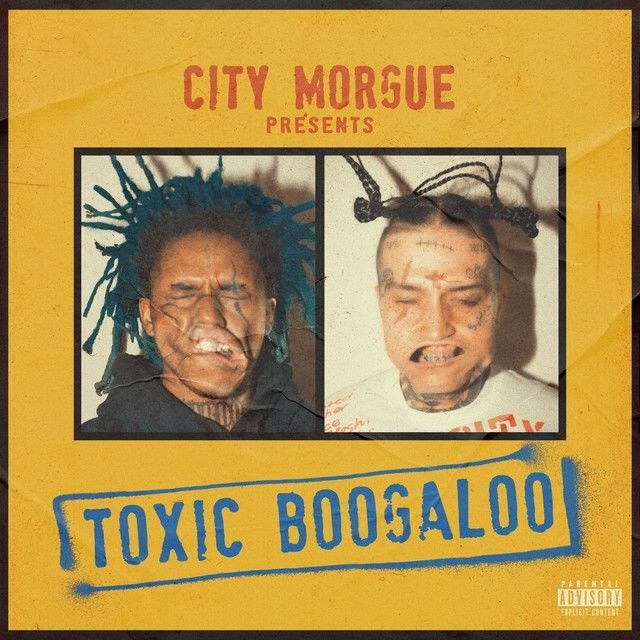
Why 'PROSTHETIC LEGS' Hits So Hard
The meaning of PROSTHETIC LEGS City Morgue, ZillaKami, SosMula comes down to force, identity, and shock. This is not a reflective song or a hidden confession. It is a blunt, ugly, high-pressure performance where City Morgue push their core style to the front: threat as theater, violence as image, and chaos as energy.
"PROSTHETIC LEGS" - City Morgue, ZillaKami, SosMula
Vader
Limb mangler, pull up, Jeep Wrangler (okay)
Loading lyrics...
Unable to load lyrics
We're unable to display the lyrics at this time. Please try again later.
For listeners new to the duo, that matters. City Morgue built their reputation on mixing trap, punk, and horror aesthetics, with ZillaKami and SosMula often sounding less like storytellers and more like figures in a riot scene. In this song, they lean hard into that persona rather than softening it.
The Real Point Behind the Brutality
At the center of the track is exaggerated violence. The title phrase and hook are designed to be grotesque and memorable, not subtle. When they repeat prosthetic legs
and prosthetic heads
, they turn a threat into a cartoonishly extreme image.
Interpretation: the song is less about a specific enemy and more about creating an atmosphere where they seem unstoppable. The hook says, in effect, that their force is total. If someone survives, the damage is still imagined as life-changing.
That kind of exaggeration is common in hardcore rap and horrorcore-adjacent music. It is part intimidation, part spectacle. City Morgue do not present violence here as tragedy. They present it as a badge of identity and an instrument of dominance.
Watch the official PROSTHETIC LEGS
music video
How the Verses Build the Song’s World
ZillaKami’s verse feels wild and unstable on purpose. He throws together threats, self-descriptions, and ugly jokes in a way that makes him sound unfiltered. Short phrases like mad kid
and dirty kid, the menace
frame him as someone who has chosen chaos as a personality.
That matters because the verse is not organized like a careful narrative. Instead, it works like a stack of impulses: anger, recklessness, performance, and group loyalty. The point is not what happened first. The point is that they sound dangerous at every second.
There is also a strong self-mythology here. References to Rebel 13
and the wider Wardog identity make the track feel tribal. They are not just threatening people as individuals; they are speaking as members of a pack.
Why the Hook Is the Song’s Engine
The chorus is simple, repetitive, and central. Repetition gives the song its blunt force. Every time the hook returns, it resets the mood and reminds listeners that this track is built around overwhelming aggression.
The line about if someone moves, they are not dead yet pushes that same logic further. It imagines violence as unfinished business. Again, this is not realism. It is escalation.
Interpretation: the hook works because it turns fear into a chant. Instead of explaining motives, it insists on power. That is why it sticks.
SosMula’s Verse Adds Swagger to the Threat
Where ZillaKami often sounds feral, SosMula sounds more gleeful and taunting. His verse keeps the same violent imagery, but his rhythm and ad-libs make it feel flashy as well as brutal. A phrase like Snipers never miss
captures that confidence.
He also piles image on image very quickly: cracked skulls, wrecked luxury, blood on the floor, constant motion. That pileup gives the verse a comic-book excess. The violence is ugly, but it is also stylized.
This contrast helps the song. ZillaKami brings instability; SosMula brings swagger. Together, they create a full City Morgue mood: one part street threat, one part punk sneer, one part horror scene.
The Sound Makes the Lyrics Feel Bigger
Production matters a lot to the meaning of “PROSTHETIC LEGS.” The beat is minimal, dark, and heavy, leaving room for the voices to hit like blunt objects. The producer tag, Shoki on the beat
, sets up a track that feels skeletal rather than lush.
That stripped-down approach suits City Morgue’s style. Their music often relies on distortion, hard drums, and shouted delivery more than melody. In this song, the production acts like an empty alleyway: cold, echoing, and built for threats.
Because the beat does not crowd them, every repeated hook lands harder. The lack of softness is part of the message. There is no emotional release here, only pressure.
Artist Context Helps Explain the Song
City Morgue are known for fusing rap with punk and metal textures, a style widely noted in coverage of the duo and their releases, including profiles from outlets like The Fader and Revolver. ZillaKami and SosMula built that image around confrontation, abrasive performance, and underground intensity.
Seen in that context, “PROSTHETIC LEGS” is not an outlier. It is a concentrated example of what they do best. They use violent language as an extension of branding, world-building, and emotional intensity.
That does not mean every line should be read literally. In aggressive rap, especially in styles close to horrorcore or trap metal, hyperbole is part of the craft. The point is impact.
A Reasonable Reading of the Song
A clear reading is that the song is about total intimidation. They present themselves as untouchable figures whose enemies are weak, slow, and already doomed.
A second reading is about performance itself. The exaggerated gore, repeated slogans, and pack language all suggest that City Morgue are staging an identity. They are not asking to be understood. They are demanding to be felt.
Final Take
The meaning of PROSTHETIC LEGS City Morgue, ZillaKami, SosMula is not hidden deep in metaphor. It lives on the surface: menace, pack loyalty, and shock turned into music. The song works because every element, from the hook to the beat to the vocal delivery, serves that one ugly, unforgettable mood.
Disclaimer: This interpretation focuses on themes, imagery, and performance style. Like most lyric analysis, it is an informed reading, not a confirmed statement of artist intent.








