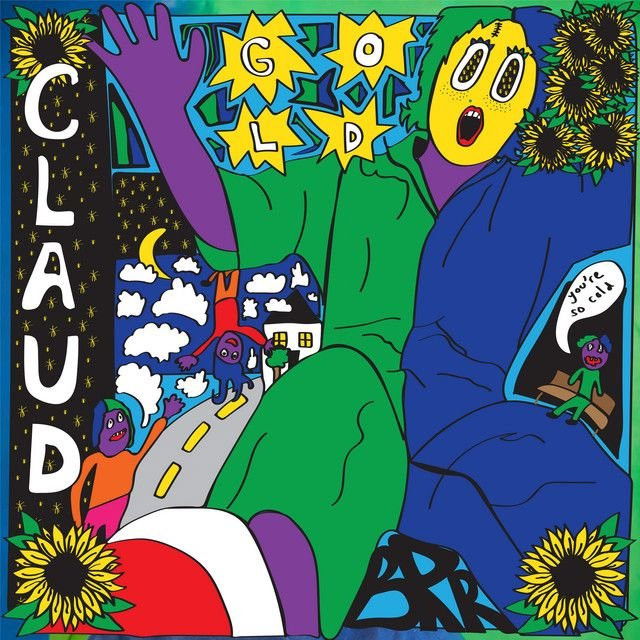
Gold by Claud
The meaning of Gold Claud comes down to a painful realization: a relationship can feel comforting and damaging at the same time. This song tracks that moment when attraction remains, but trust has worn thin. The narrator is not just upset. They are finally naming a pattern.
"Gold" - Claud
And I know there's a reason that I always put up my guard
You like drinking and then taking things apart
Loading lyrics...
Unable to load lyrics
We're unable to display the lyrics at this time. Please try again later.
When Love Feels Safe and Unsafe
From the start, the song holds two truths together. The narrator admits they like falling into this person’s arms, but they also admit they "put up my guard." That contrast matters. It shows that the relationship offers warmth on the surface while also teaching them to expect disappointment.
This is why the song feels more mature than a simple breakup track. It is not about one argument. It is about a long mismatch between what each person brings into love. One seeks peace and openness; the other seems to thrive on tension, drinking, and pulling things apart.
Interpretation: Claud frames emotional incompatibility as something the narrator has resisted naming. They already know the truth, but the song is the moment they finally say it out loud.

Watch the official Gold
music video
The Core Conflict Hiding in Plain Sight
A big part of the meaning of Gold Claud is the contrast between two personalities. The verses make that split clear with simple pairings: one person reaches out, the other grips too hard; one wants calm, the other wants conflict.
Opposites Do Not Balance Here
These differences are not presented as cute or romantic. They feel exhausting. The line about liking peace while the other likes to fight is especially telling. It turns the relationship into a daily emotional climate problem.
The narrator keeps trying to understand why the other person acts this way, but they are also scared to ask. That fear suggests a relationship where honest conversation does not feel emotionally safe.
The Chorus Turns Hurt Into Clarity
The chorus is where the song stops doubting itself. The narrator pushes back against empty reassurance, especially the claim that someone was present when they really were not. The short phrase you were there when you weren’t
captures emotional neglect in a sharp, memorable way.
That idea leads to the song’s most important consequence: home no longer feels secure. When the narrator says they do not know if they want to come home or go back, the song moves beyond frustration. It becomes about detachment.
You’re so cold
Ice on snow
It gets old
Rust on gold
This is the emotional center of the song. The images are simple, but they do a lot of work. Coldness piles onto coldness. Wear and decay settle onto something precious.
Why “Rust on Gold” Is the Song’s Best Symbol
The title image is the key to the whole track. Gold suggests rarity, value, and something worth protecting. Rust suggests corrosion, time, and neglect. Put together, the image feels slightly impossible, which makes it stronger as metaphor than as literal fact.
Interpretation: “Rust on gold” suggests a good thing being damaged by the wrong environment. The relationship may have had real value, but repeated emotional coldness has left stains that cannot be ignored.
That image also helps explain the narrator’s conflict. They are not saying the relationship was fake. They are saying something valuable has been steadily ruined.
A Story of Repeated Emotional Absence
The second verse deepens the pattern. The narrator calls themself too optimistic, which is a revealing self-critique. They kept believing things would work without another breakdown, even though the evidence kept saying otherwise.
Then comes one of the song’s saddest dynamics: I keep talking
while the other person says nothing. That imbalance turns the relationship into emotional labor done by one side only. The narrator tries, explains, waits, and reaches. The other person withdraws.
This makes the song less about dramatic betrayal and more about erosion. Silence, avoidance, and inconsistency can do as much damage as open cruelty.
How the Sound Likely Carries the Message
Claud is known within indie pop for emotionally direct songwriting and soft-edged production choices, especially around their early breakout era and debut album cycle, documented by outlets like Rolling Stone and Pitchfork. Even without overloading the track with drama, that style fits “Gold.”
A song like this works best when the arrangement stays controlled rather than explosive. That restraint mirrors the narrator’s state of mind. They are not in chaotic free fall. They are tired, clear-eyed, and nearing acceptance.
The repeated hook likely adds to that feeling. Repetition can sound like someone going over the same wound until it finally makes sense.
Artist Context Helps the Reading
Claud, the project of Claudia Mintz, has often written songs that feel intimate, conversational, and emotionally precise, a style noted in profiles from The Fader and NPR. The writing credit here also includes Bram Katz Inscore alongside Claudia Jeanne Mintz, as provided in the song information.
That matters because “Gold” does not chase grand poetic mystery. Its power is in how directly it names a familiar feeling: staying hopeful long after a relationship has shown its limits.
Final Reading: A Breakup Before the Door Closes
In the end, the meaning of Gold Claud is not just heartbreak. It is recognition. The narrator sees that longing, habit, and history have kept them in a relationship that no longer feels like shelter.
Interpretation: The song captures the emotional moment before a final exit. They have not fully left yet, but they already know the return may never happen.
That is why the track lands so hard. It understands that endings often begin long before anyone physically walks away.
Disclaimer: This interpretation is based on the released lyrics and publicly available artist context. Like any song, “Gold” can support more than one valid reading.







