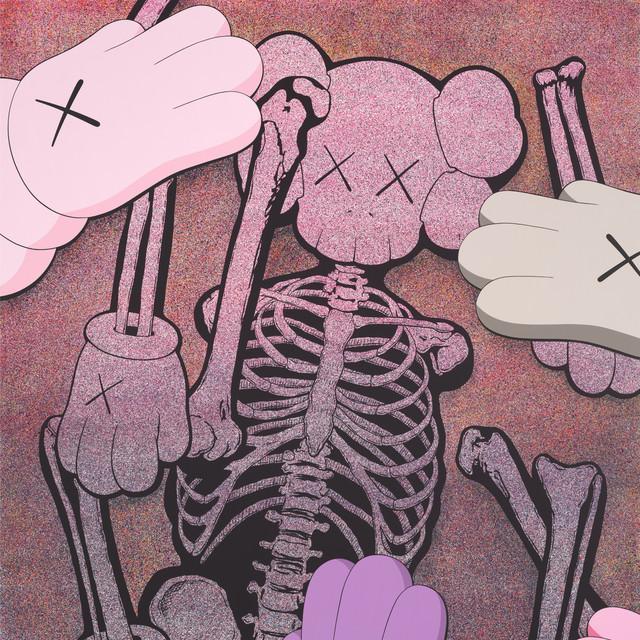
Why 'Chandeliers' Sounds Like Judgment
The meaning of Let God Sort Em Out/Chandeliers Clipse, Nas, Pusha T, No Malice comes through as a mix of warning, victory lap, and moral tension. On the surface, the song is a hard rap showcase full of threats, luxury, and status. Under that surface, it sounds like older masters taking stock of survival, reputation, and the cost of living by a ruthless code.
"Let God Sort Em Out/Chandeliers" - Clipse, Nas, Pusha T, No Malice
The right price, I put the AR in the saint's mouth (yeah) (talk about it)
Bring all the watches and the chains out
Loading lyrics...
Unable to load lyrics
We're unable to display the lyrics at this time. Please try again later.
This matters because Clipse have long built music from drug-rap detail, icy wordplay, and religious imagery. With Nas joining them, the song becomes even bigger: not just street talk, but a statement about legacy. Songwriting credits list Gene and Terrence Thornton, Nasir Jones, and Pharrell Williams, tying the track to the same creative circle that shaped Clipse classics through Pharrell Williams and The Neptunes.
The Core Idea Hiding Behind the Bragging
At heart, this song is about power with a spiritual shadow over it. Pusha T and No Malice rap like men who know the world they came from, know the violence it breeds, and know they outlasted many rivals. Nas steps in to widen that idea. He frames himself as a culture-shifting veteran, not just a great rapper but a figure who helped restore rap's seriousness.
The title image, Chandeliers
, is important. Chandeliers usually suggest wealth, elegance, and old power. But in this song, they also feel ghostly. They hang over rooms where deals, threats, and judgments happen. That makes the luxury imagery feel cold rather than joyful.
Interpretation: the song suggests that success does not erase danger; it only decorates it.
Clipse Turn Luxury Into a Crime Scene
Pusha T opens with the kind of detailed menace that made Clipse famous. He mocks weak talkers, measures worth by precision, and connects status objects to violence. When he references watches and the chains
, he is not simply naming jewelry. He is showing how rap wealth and criminal threat sit side by side.
That duality runs through the verse. Expensive cars, leather goods, and safe houses are signs of control, yet each image carries fear. Even when the verse flexes, it feels hunted. The effect is not celebration. It is domination.
No Malice pushes the song deeper into darkness. His verse links body, spirit, curse, and death. When he describes a dark spirit
, he shifts the track from crime talk to moral rot. That is a key Clipse move: they often turn material success into a sign of spiritual damage.
the death I breathe
the death I see
Those brief lines summarize the song's worldview. Violence is not just an act around them; it becomes the air of the environment.
Nas Reframes the Song as Legacy Rap
Nas does not simply match the aggression. He changes the scale. His verse is less about one enemy and more about history. He argues that he helped move hip-hop back to a higher standard, and he says it with the confidence of someone who expects backlash.
When he says he can deserve the hate
, the point is not self-pity. It is a challenge. He presents criticism as proof of relevance. Then he turns to a superhero and sci-fi vocabulary—Panther, pantheon, Terminator—to make himself feel mythic, almost larger than life.
That verse fits the track because Nas has often balanced street realism with kingly self-image. In the context of his recent late-career run, covered by outlets like The Grammy Awards, his presence here sounds like a veteran entering a hall of mirrors and declaring he still belongs at the top.
Sound Design: Regal, Cold, and Unsettling
Production is central to the meaning. Pharrell's style has long given Clipse stark space to rap in, and this track feels built on that tradition. The beat sounds luxurious but severe, as if it belongs in a mansion with the lights half off.
There is very little warmth in the mood. Instead, they rap over something stately, clipped, and tense. That matters because the instrumental makes the title image feel real. The song does not just mention chandeliers; it seems to stand beneath them.
The contrast is sharp:
- the setting sounds rich
- the verses sound predatory
- the mood feels ceremonial
That ceremonial feeling turns every threat into a kind of sentence being handed down.
Faith, Sin, and the Clipse Contradiction
One reason the song hits hard is the old Clipse tension between faith and violence. No Malice's career has been shaped by open spirituality, while Pusha T has continued to refine the coke-rap persona that first made the duo famous. Bringing those voices together always creates friction.
Here, that friction is the point. The title phrase “Let God sort 'em out” suggests leaving final judgment to a higher power. But the verses do not sound passive at all. They sound like men delivering earthly consequences themselves.
Interpretation: the song lives in that contradiction. They know revenge, pride, and survival are morally messy, yet they still rap from inside that mindset because it is part of their history and identity.
So What Does "Chandeliers" Mean?
The best reading is that "Chandeliers" uses luxury as a symbol of elevated power, but not peace. These are not lights of comfort. They are lights hanging over old sins, old rivalries, and old achievements. Clipse and Nas present themselves as survivors who rose into grandeur without escaping the darkness below.
That is why the song feels both triumphant and haunted. It celebrates mastery, but it also admits that mastery was forged in ugly places. The result is a rap song about status that sounds more like a reckoning than a party.
For listeners searching for the meaning of Let God Sort Em Out/Chandeliers Clipse, Nas, Pusha T, No Malice, the clearest answer is this: they turn wealth, violence, and legacy into one grand image of judgment. The chandelier shines, but it does not forgive.
Disclaimer: This interpretation is based on the lyrics, credits, artist history, and production context. As with any song, meaning can vary by listener.







