Why "Rumors" Still Hits a Nerve
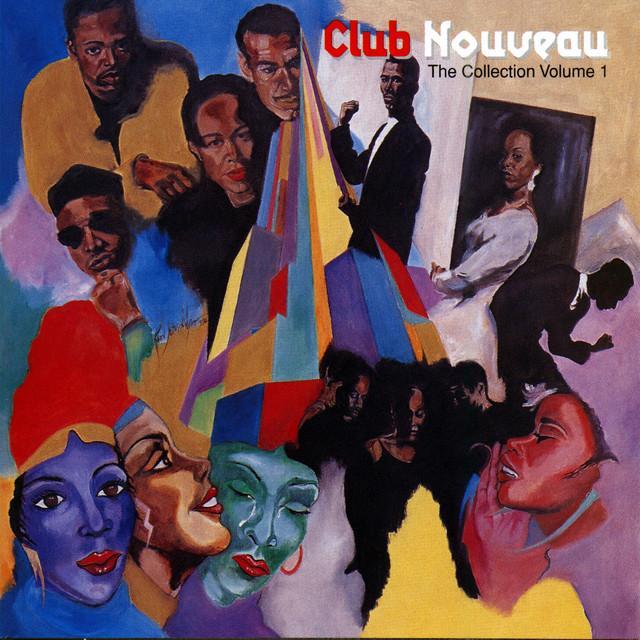
The meaning of Rumors Club Nouveau is really about the damage gossip does to ordinary life. Even though listeners often connect the song to Club Nouveau because of the group’s close history with Timex Social Club, the lyrics themselves focus on a simple but lasting idea: rumor spreads fast, feeds on jealousy, and can trap someone in a version of themselves they did not create.
"Rumors" - Club Nouveau
They're started by the jealous people
And they get mad seeing something they had
Loading lyrics...
Unable to load lyrics
We're unable to display the lyrics at this time. Please try again later.
Factually, Club Nouveau formed in Sacramento in 1986 after the breakup of Timex Social Club, and the two groups remain linked in pop memory through songs like “Rumors” and Club Nouveau’s answer record “Jealousy,” as noted by Wikipedia and discussed by PopMatters. That context matters because it helps explain why people still search for the meaning of this song under Club Nouveau’s name.
The Core Message Beneath the Hook
At its center, the song argues that gossip is not harmless fun. The singer opens by asking how rumors begin, then answers that they come from envy and resentment. That framing makes the song less about one false story and more about a whole social system where private lives become public sport.
When the chorus circles back to all these rumors
, it turns frustration into exhaustion. They are not dealing with one misunderstanding. They are dealing with a constant cloud of talk that follows them everywhere.
Interpretation: The song’s real target is social cruelty dressed up as entertainment. It suggests that people spread stories not because they know the truth, but because rumor gives them power, attention, or revenge.

Watch the official Rumors
music video
A Speaker Surrounded by Other People’s Stories
The narrator speaks in first person, but the feeling is broader than one person. They present themselves as someone whose name keeps getting dragged into conversations they cannot control. The complaint about the story involving the girl next door
shows how even a small, local rumor can become overwhelming.
That is why the song feels relatable. They are not describing celebrity gossip from a distance. They are describing what it feels like when a neighborhood, school, or friend group decides it knows someone’s business.
How the Verses Build Pressure
The verses move in steps:
- They explain that jealousy starts the cycle.
- They list examples of rumors about other people.
- They show how the same habit turns back on the singer.
- They end by begging for it to stop.
This structure matters. The song first sounds like an observer’s complaint, but then it becomes personal. By the end, the speaker is not just criticizing gossip culture. They are stuck inside it.
Why the Named Examples Matter
One striking part of the lyric is its list of stories about specific people. The point is not that these stories are true. The point is that people pass judgment quickly and casually.
The song mentions sexual rumor, rumor about desire, and rumor about masculinity. In each case, the target becomes a stereotype. A whole person gets flattened into one line that others repeat. That is the song’s sharpest social observation.
Stop spreadin' those rumors around
Stop spreadin' the lies
That brief plea works because it strips away the drama and states the issue plainly. After all the examples and anger, the message becomes simple: gossip wounds people, and repeating it makes the wound bigger.
Sound That Turns Stress Into a Dance Record
Part of what makes the song memorable is its musical contrast. The subject is ugly, but the groove is catchy. Timex Social Club’s “Rumors” became a major hit, reaching No. 1 on the Billboard R&B chart for two weeks and peaking at No. 8 on the Hot 100, according to PopMatters. That success makes sense because the production delivers tension without losing dance-floor energy.
The arrangement fits late-1980s R&B and post-funk habits: a firm beat, bright synth textures, sharp vocal interplay, and a chorus built for repetition. The groove keeps moving while the lyric stays irritated. That mismatch is important. It mirrors how gossip works in real life: ugly content can travel inside something exciting, funny, or addictive.
Interpretation: The music almost traps the listener in the same cycle the singer hates. People want to sing along because it sounds good, even though the lyric is warning them about the very behavior being described.
The Club Nouveau Connection Explained
Anyone looking up the meaning of Rumors Club Nouveau should know the naming confusion has a real history behind it. Club Nouveau was formed by Jay King in Sacramento in 1986 after Timex Social Club split, and Club Nouveau’s early story was deeply tied to that breakup, as summarized by Wikipedia. PopMatters also notes that Club Nouveau’s early single “Jealousy” functioned as an answer song to “Rumors.”
So while “Rumors” is not a Club Nouveau recording, the overlap in members, regional scene, and response songs has blended the two acts in public memory for decades.
A Lasting Meaning Beyond the 1980s
The song still feels current because rumor has only changed its speed. What was once whispered between friends now moves through texts, comment sections, and social feeds. Lines like pointing a finger
and I can't take it no more
still land because public judgment remains both fast and relentless.
In the end, the meaning of “Rumors” is not complicated: gossip can distort identity, isolate its target, and turn communities mean. The song lasts because it says that truth clearly, over a beat people still remember.
Disclaimer: This interpretation separates documented context from critical reading. Meanings in songs can vary from listener to listener.








