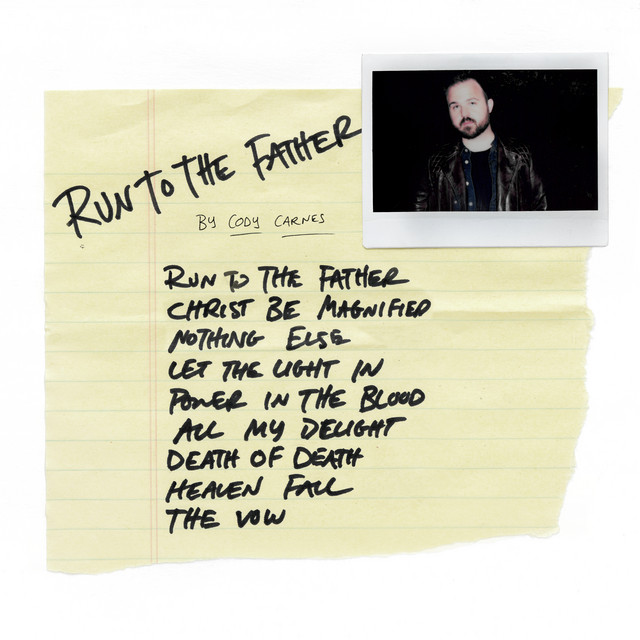
Nothing Else by Cody Carnes
A Worship Song About Wanting God, Not Gifts
The meaning of Nothing Else Cody Carnes comes down to one clear idea: they present worship as desire for God’s presence, not for benefits. This is a modern worship song, but its message is deliberately simple. Instead of asking for help, success, or even comfort, the singer steps back and says that God alone is enough.
"Nothing Else" - Cody Carnes
I just want to sit here at Your feet
I'm caught up in this holy moment
Loading lyrics...
Unable to load lyrics
We're unable to display the lyrics at this time. Please try again later.
That is why the opening image matters so much. When the lyric says caught up in Your presence
, it frames the song as stillness rather than striving. The speaker is not trying to earn anything. They are trying to remain close.
In plain terms, the song rejects transactional faith. It pushes against the idea that prayer is only for getting blessings. The line You don't owe me anything
is the emotional center, because it removes bargaining and leaves only relationship.

Watch the official Nothing Else
music video
How the Verses Move From Confession to Surrender
The verses are built like a personal prayer. First, they describe nearness. Then they admit failure. After that, they return to devotion.
This structure matters because it keeps the song from sounding self-congratulatory. The singer does not claim perfect faith. They confess that they have gone through the motions
and approached worship with routine instead of honesty.
That confession gives the song its emotional weight. It is not merely saying, “God matters.” It is saying, “They forgot what really matters, and now they want to come back.” The repeated request to return to the beginning suggests a desire for renewed sincerity, like recovering a first love that has become buried under habit.
Interpretation: In that sense, the song is about spiritual recalibration. They are not leaving faith behind. They are stripping it back to its core.
Why the Chorus Feels So Strong
The chorus is unforgettable because it reduces the message to one direct statement: I just want You
. That phrase is short, but it carries the whole song.
By the time the listener reaches the repeated hook nothing else will do
, the idea has become absolute. There is no list of requests, no detailed testimony, and no argument. The song keeps narrowing until only one desire remains.
This is also why the track works so well in congregational worship. The language is easy to grasp, but the repetition lets the meaning deepen emotionally. Each pass through the chorus feels less like information and more like surrender.
And nothing else
Nothing else will do
Those lines express exclusivity. Not exclusivity in a social sense, but in a devotional one: no other reward can replace the presence of God.
The Key Images and What They Suggest
The imagery in “Nothing Else” is minimal, but it is effective. The most important image is sitting at Jesus’ feet. That picture suggests humility, listening, and rest. It is the opposite of rushing, performing, or trying to prove spiritual worth.
Another major motif is returning. The song repeatedly points back to where things started and to the moment of first love. That gives the lyric a circular motion. Rather than chasing something new, they seek recovery of something original and true.
A third motif is the open heart. The singer presents worship as inward honesty, not outward polish. This fits the song’s criticism of empty routine. Real worship, in the lyric’s view, begins when pretense ends.
Sound and Production: Why It Feels Intimate
Cody Carnes is a contemporary Christian artist and songwriter, and “Nothing Else” became one of his best-known worship songs. The song was written by Cody Jay Carnes, Hank Bentley, and Jessie Early, whose writing credits are commonly listed across official music databases and publisher pages.
Musically, the arrangement supports the lyric’s message. It usually begins with soft piano and spacious instrumentation, leaving room for the vocal to sound almost conversational. That restraint is important. A louder, busier arrangement would weaken the song’s message of quiet presence.
As the song develops, the dynamics expand, but not into triumph. Instead, they grow into emotional intensity. The repetition of the chorus, the slow tempo, and the lifted vocal delivery turn the song into a kind of sustained prayer. The production aims for intimacy first, then release.
Interpretation: That slow build mirrors the lyric’s inner movement. They start in stillness, pass through confession, and arrive at full-hearted surrender.
Why the Song Connects With So Many Listeners
Part of the appeal is that the song names a common spiritual fear: the fear of becoming mechanical. Many believers know the feeling of singing, praying, or serving while their heart feels far away. “Nothing Else” gives language to that problem without sounding harsh.
It also offers a remedy that is simple rather than complicated. The answer is not a strategy. It is a return to love, presence, and honesty.
That helps explain why the song has had such a strong life in churches and worship sets across the United States. Its theology is accessible, its melody is easy to carry, and its message speaks to both private devotion and public worship.
Final Take on the Meaning of Nothing Else Cody Carnes
The meaning of Nothing Else Cody Carnes is a call back to the center of worship. The song says that spiritual life can become routine, but it can also be renewed when people stop seeking what God can give and start seeking God Himself.
Its power comes from that contrast: performance versus presence, agenda versus surrender, blessings versus relationship. In the end, the song chooses the simplest answer possible—God alone is enough.
Disclaimer: This interpretation is based on the released lyrics, musical presentation, and public context around the song. As with any worship music, listeners may hear personal meanings that go beyond this reading.








