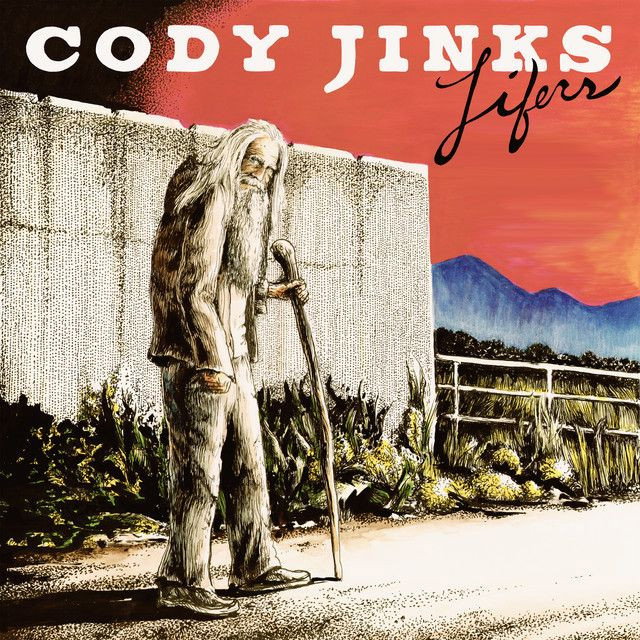
Desert Wind by Cody Jinks
The meaning of Desert Wind Cody Jinks starts like an outlaw tale, but it ends somewhere more personal. On the surface, the song follows a man who leaves the city, rides into Mexico, and chases the rumor of Pancho Villa’s gold. Under that plot, though, the song points to a harder truth: people often go looking for wealth or answers in far-off places, only to learn that what they really need cannot be bought.
"Desert Wind" - Cody Jinks
Been treatin' me right
On this side of the wall
Loading lyrics...
Unable to load lyrics
We're unable to display the lyrics at this time. Please try again later.
That turn is what gives “Desert Wind” its power. Cody Jinks and Paul Cauthen wrote a story song that sounds rugged and cinematic, yet its lesson is simple and human.
A Treasure Hunt That Turns Inward
At first, the narrator seems driven by restless ambition. The opening lines place him among city lights
, but he is already ready to leave. He hears rumors of mighty wealth untold
, and that promise pushes him south toward the Sierra Madre.
In plain terms, the first verse sets up an old myth: hidden gold, a dangerous crossing, and a man who thinks one bold move can change his life. This is classic Western imagery, and Jinks uses it well. The details about a cheap mule, the Rio Grande, and the threat of lawmen make the journey feel rough and real.
But the song does not stay a simple adventure ballad. Every verse adds movement, yet the deeper conflict is internal. The narrator is not just crossing a border. They are crossing from fantasy into self-knowledge.
Why the Chorus Matters So Much
The chorus is the emotional center of the song. Instead of celebrating gold or conquest, it focuses on the natural force in the title: Desert wind
. That image works as more than scenery.
Interpretation: the wind stands for fate, loneliness, memory, or even spiritual guidance. Early in the song, it is blowing the narrator away from where they started. By the end, it is blowin' me home again
. That change is the key to the whole meaning.
The chorus also includes the line about the wind being the only friend left. That suggests isolation. The search for wealth has stripped life down to one companion: the desert itself. In many story songs, nature mirrors the mind, and that seems true here.
The Plot Moves Like a Western
The narrative unfolds in clear stages:
- The narrator grows tired of ordinary life.
- They hear a rumor about hidden treasure.
- They cross into danger and follow the trail.
- They find what seems like the answer.
- They realize the real answer is not material.
That structure makes the song easy to follow, but it also helps the final message land harder. The singer has to go all the way into the myth before they can reject it.
The Turning Point in the Final Verse
The last verse contains the song’s deepest idea. The narrator reaches a cavern and finds riches, but the discovery does not complete them. Instead, the song separates wealth from worth.
truth of a man
ain't built with hands
or Pancho Villa's gold
That is the moral of the song in miniature. Gold can be held, counted, and hunted. Truth, character, and identity cannot. The ending does not mock the journey; it redeems it. The search mattered because it taught the narrator what treasure cannot do.
Symbols Hidden in the Dust
Several recurring images shape the meaning of Desert Wind Cody Jinks.
Gold as False Promise
Pancho Villa’s gold is not just treasure. It represents every dream of easy transformation. The narrator hopes money will answer deeper questions, but the song finally rejects that hope.
The Border as a Test
Crossing the Rio Grande works like a rite of passage. The narrator leaves the known world and enters a harsher one. In story terms, this is the place where illusion gets tested.
The Wind as Judgment and Mercy
The desert wind first sounds wild and lonely. Later, it becomes almost protective. It pushes the narrator away, then brings them back. That makes it both a judge and a guide.
How the Sound Supports the Story
Cody Jinks is known for blending outlaw country with Southern rock weight, a style heard across his catalog and outlined on his official site. “Desert Wind” fits that identity well. Even without flashy production details, the song’s likely strength is its steady, travel-ready rhythm and its plainspoken vocal delivery.
That matters because a song like this can fail if it feels too polished. Jinks usually sings with grit and restraint, which helps a story of dust, danger, and hard-won truth feel believable. The arrangement supports the lyric by leaving room for atmosphere rather than chasing drama.
Paul Cauthen, credited as a co-writer, also has a strong feel for mythic Americana on his artist page. That makes sense here. The song feels bigger than one man, yet close enough to sound confessional.
Artist Context Sharpens the Meaning
Jinks has built a reputation as an independent country artist who values honesty over trend-chasing. That context matters. A song about rejecting gold in favor of inner truth fits his larger artistic image.
This does not mean the track is autobiographical in a literal way. Interpretation: it is more useful to hear it as a character study that reflects values common in Jinks’ work: self-reliance, plain truth, and suspicion of empty rewards.
That may also explain why listeners respond to it. Even if they have never crossed a desert or chased a legend, they know the feeling of wanting one big answer to fix everything.
What “Desert Wind” Finally Says
In the end, the meaning of Desert Wind Cody Jinks is about disillusionment that leads to wisdom. The narrator goes hunting for fortune and comes back with perspective. The song argues that identity is earned through experience, not purchased through luck.
Its final move is subtle but strong: home is not a place they left behind forever. Home becomes the truth they were blown back toward.
Disclaimer: This interpretation is based on the released lyrics, songwriting context, and musical style. As with any song, listeners may hear different meanings.







