Why 'Til You Can't' Hits So Hard
The meaning of 'Til You Can't Cody Johnson comes down to one powerful idea: life feels open-ended right up until it is not. The song takes common delays—calling family, chasing a dream, showing love—and turns them into a warning against waiting too long.
"'Til You Can't" - Cody Johnson
You'll do some largemouth fishing another time
You just got too much on your plate to bait and cast a line
Loading lyrics...
Unable to load lyrics
We're unable to display the lyrics at this time. Please try again later.
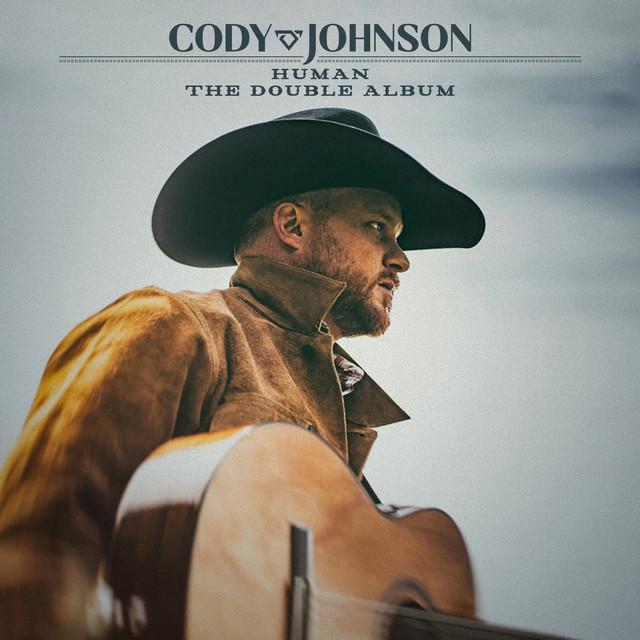
Recorded by Cody Johnson and written by Benjamin Stennis and Matthew Rogers, the song became one of Johnson's biggest crossover moments in modern country. Factually, it appeared on Human: The Double Album and helped expand his reach beyond his core Texas-country base. That wider appeal makes sense, because its message is simple, direct, and widely relatable.
A Chorus Built Like a Wake-Up Call
The song's central message is delivered with unusual clarity. Instead of hiding behind abstract poetry, it says exactly what it means: take it while you got a chance
. That line is not just motivational talk. It is the lens for every verse.
Each example shows a person assuming there will be more time later. A fishing trip can wait. A proposal can wait. A restoration project can wait. A call home can wait. Then the title phrase, 'til you can't
, snaps each scene into focus.
Interpretation: The song works because it turns procrastination into something emotional rather than merely practical. It is not about time management. It is about regret.

Watch the official 'Til You Can't
music video
Small Scenes, Big Stakes
One reason the song lands so well is that it uses ordinary American life. There is no grand storyline. Instead, the verses build meaning through familiar snapshots.
A father-son outing suggests family bonds that are easy to take for granted. A delayed proposal points to fear, hesitation, or simple distraction. The old Pontiac sitting in pieces evokes heritage, memory, and unfinished promises between generations.
These are not random details. They all show forms of love that require action. The song argues that good intentions are not enough. Someone can mean to show up, mean to commit, mean to reconnect—and still miss their chance.
The hardest verse in the song
The song becomes most direct when it mentions a mother and the need to answer the phone. It also pushes people to say apologies and affection out loud before it is too late. In plain terms, the message is that silence becomes painful once the person is gone.
Say your sorries, your I-love-yous'cause man you never know
That brief moment widens the song from advice into something close to a life philosophy. It stops being about ambition alone and becomes a song about emotional courage.
What the Hook Really Means
The title phrase matters because it is unfinished by design. 'Til you can't
never fully explains what stops a person. That missing answer is part of the song's strength.
Sometimes the barrier is death. Sometimes it is distance, age, illness, a breakup, or just a changed life. By leaving that open, the song allows almost any listener to place their own fear inside it.
Interpretation: The chorus is not only saying, "act now." It is also saying that people usually do not get a warning before a door closes.
How Cody Johnson Sings the Message
Johnson's performance is a big reason the song feels sincere instead of preachy. They sing with a firm, plainspoken style that sounds more like lived advice than a sermon. That matters, because the words could have felt generic in a less grounded performance.
The production supports that approach. The arrangement stays rooted in contemporary country, with steady drums, strong acoustic framing, and a chorus that opens up just enough to feel anthemic. The rise in energy during the hook mirrors the song's emotional push: move, decide, speak, love.
There is also a useful tension in the recording. The music feels uplifting, but the idea underneath it is serious. That contrast keeps the song from sinking into sadness while still preserving the sting of possible regret.
Artist Context Matters Here
Johnson built their reputation on authenticity, traditional country values, and a blue-collar emotional style. That context shapes how listeners hear this track. When they sing about family, work, commitment, and dreams, it fits a larger artistic identity rather than sounding borrowed.
That is part of why the song connected so strongly with country audiences in the United States. Its details feel culturally specific, but its message is broad. Nearly everyone knows what it means to postpone something important because they assume tomorrow is guaranteed.
A Song About Action, Not Perfection
Another smart part of the writing is that it does not ask for a perfect life. It asks for movement. a dream won't chase you back
is a blunt way of saying that hope alone changes nothing.
That applies equally to romance, family, and purpose. The song does not separate emotional life from practical life. Asking someone to marry you, picking up the phone, repairing an old car with a grandparent, and pursuing a dream all belong to the same moral category: do the thing that matters while you still can.
Final Take on the Song's Meaning
The meaning of 'Til You Can't Cody Johnson is about urgency with heart. It reminds listeners that love, family, and ambition all depend on action, and that delay can quietly become loss.
Its genius lies in how plainly it speaks. Through everyday examples, a memorable hook, and a warm but firm performance, the song turns a common truth into something that feels personal.
Disclaimer: This interpretation is based on the song's lyrics, performance, and public context. As with any song, listeners may hear meanings that reflect their own experiences.









