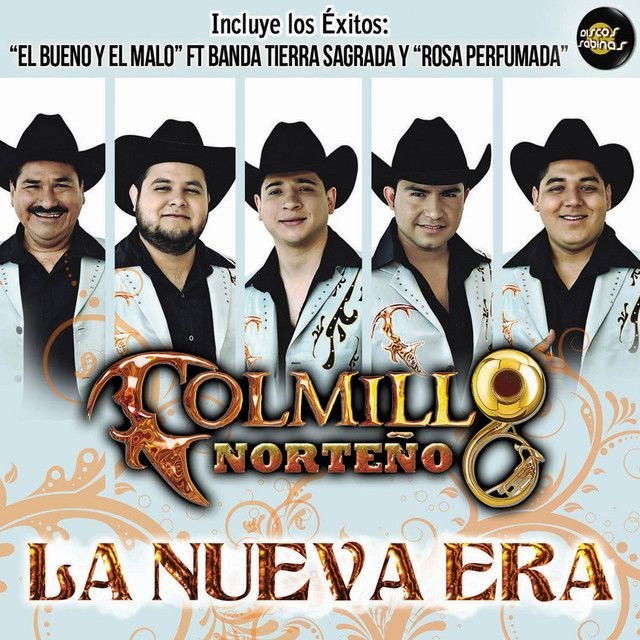
Why ‘El Bueno y el Malo’ Turns Love Into a Duel
The meaning of El Bueno y el Malo Colmillo Norteño starts with a simple setup: two men compete for one woman, and each claims to offer the better kind of love. One presents himself as gentle, noble, and protective. The other is reckless, seductive, and tied to danger. The song turns that contrast into a musical showdown.
"El Bueno y el Malo" - Colmillo Norteño
Recibe mi serenata
Pues canto aquí en tu ventana canciones de amor
Loading lyrics...
Unable to load lyrics
We're unable to display the lyrics at this time. Please try again later.
What makes it work is that neither side sounds fully trustworthy. The “good” man speaks like a romantic hero, while the “bad” man sells thrill, status, and instant chemistry. By the end, the real question is not who is right. It is what kind of love the song believes people are often asked to choose between.
Two Voices, One Tug-of-War
At the lyric level, the song is built as a dialogue. The first man arrives with a serenade and frames himself as a caretaker. He sings from the window, using classic romantic images and promising safety. When he compares himself to an angel with su espada y con su corazón
, the idea is clear: he wants to sound brave, pure, and devoted.
Then the second voice interrupts that sweet image. He is not offering flowers or patience. He is offering appetite, speed, and physical attraction. When he says yo soy la tentación
, he openly brands himself as desire rather than virtue.
That contrast gives the song its engine. It is not just good versus bad. It is restraint versus impulse, courtship versus lust, and emotional promise versus nightlife excitement.

Watch the official El Bueno y el Malo
music video
The Story Beneath the Chorus
The plot moves in a neat sequence:
- The “good” suitor opens with a traditional serenade.
- The “bad” suitor answers with erotic confidence.
- Each warns the woman against choosing the other.
- The bad side grows louder and more material.
- The song ends with a direct challenge: decide.
The repeated pleas to ignore evil or choose love are important because they show both men trying to control the story. Even the sweeter voice is not only expressing love; they are campaigning. The final line asking for a decision turns the whole song into a staged contest.
Romance, Possession, and Performance
Interpretation: One of the strongest ideas in the song is that both men are performing masculinity. They are less interested in honest self-revelation than in selling an identity.
The “good” one sells old-school romance. He uses nice words, detail, courage, and protection. The “bad” one sells excitement. He offers a troca blindada
, friends, booze, and a night that lasts hasta que salga el sol
. In other words, one offers moral security, while the other offers social power and sensory pleasure.
That matters because the woman at the center barely speaks. The song is really about male self-presentation. Each voice defines love in a way that also flatters himself. The “good” man says love is protection. The “bad” man says love is freedom and passion. Both versions carry a possessive streak.
Te doy mi corazón
Yo te doy diversión
¿Cuál es tu decisión?
Those lines reduce the choice to two packaged options. One man offers heart, the other fun. The song knows that this is a crude split, and that is part of its appeal.
The Title’s Real Point
The title, which translates to “The Good and the Bad,” sounds simple, but the song keeps blurring that line. The “good” man can sound sincere, yet he also sounds self-righteous. The “bad” man is clearly impulsive, but he is at least honest about what he wants.
Interpretation: The song may be less interested in praising one man than in exposing a familiar romantic myth. Many songs divide lovers into safe and dangerous types. Here, Colmillo Norteño dramatizes that divide almost like a mini novela. The woman becomes the judge, and the men become symbols.
That symbolic setup is why the song feels larger than a normal love triangle. It is about attraction to opposites. People may say they want tenderness, but they can still be pulled toward risk, swagger, and immediacy.
How the Norteño Sound Sharpens the Meaning
Production and arrangement help sell the drama. Colmillo Norteño leans into a regional Mexican style that fits both the serenade opening and the bolder, swaggering sections. The likely effect of accordion-led melody, steady bass movement, and direct vocal delivery is to make the exchange feel public, almost theatrical.
The song’s structure mirrors a confrontation. The softer romantic language arrives like a traditional courtship scene, while the tougher imagery pushes it toward corrido-adjacent bravado. That blend matters. Serenade culture suggests devotion and respect, but the references to a protected truck, crew, and drinking bring in a modern street-world image.
This clash between old and new masculinity is one reason the song stands out. It feels rooted in classic Mexican romantic forms, yet it updates them with flashier status symbols and more explicit desire.
Artist Context and Listener Appeal
Colmillo Norteño operates in a lane where storytelling, character types, and strong hooks matter. “El Bueno y el Malo” fits that world well because listeners do not need a complicated plot to understand it. They hear the conflict right away.
The song also benefits from the call-and-response setup. It invites audiences to pick a side, joke about the two suitors, or see parts of both in real life. That helps explain its appeal in the United States, where regional Mexican music often travels through vivid scenes, memorable voices, and emotional clarity.
For broader genre context, regional Mexican styles have become a major force in U.S. listening, as reflected in recent coverage from Billboard and chart reporting from Luminate. Songs with strong character drama tend to travel well because the emotion is easy to grasp even on a first listen.
The Takeaway Behind the Duel
The meaning of El Bueno y el Malo Colmillo Norteño is not just that one man is good and the other is bad. It is that love can be presented as a false choice between safety and thrill, tenderness and temptation. The song turns that choice into a catchy showdown, then leaves the tension unresolved.
That unresolved ending is the point. Listeners are meant to sit with the pull of both voices and ask why each one sounds tempting in a different way.
Disclaimer: This article offers an interpretation of the song based on its lyrics, performance, and style. Meanings can vary from listener to listener.








