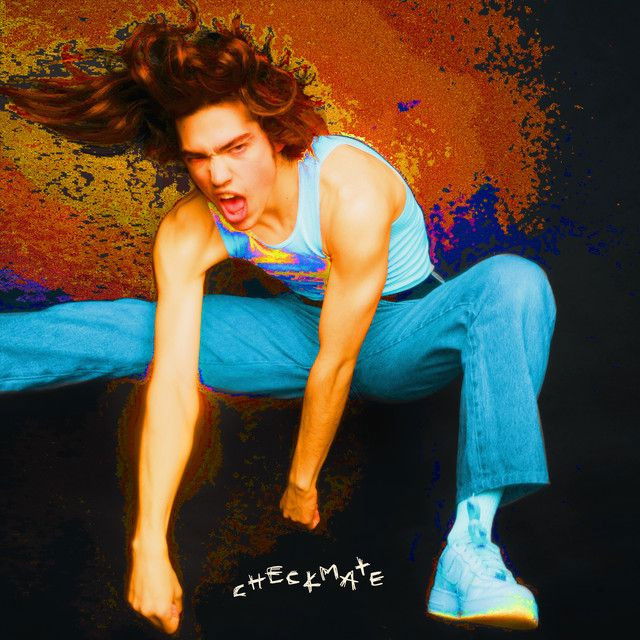
Checkmate by Conan Gray
In "Checkmate," Conan Gray turns heartbreak into a showdown, where being misled in love starts to feel less like sadness and more like a game someone has to lose.
"Checkmate" - Conan Gray
Provided by LyricFindYou think you're funny, right?
Calling me drunk when it's too late at night
Telling me truths that you know all are liesLoading...Loading lyrics...
Unable to load lyrics
We're unable to display the lyrics at this time. Please try again later.
Why the meaning of Checkmate Conan Gray hits fast
The meaning of Checkmate Conan Gray is fairly direct on the surface: it is about catching a dishonest lover and refusing to stay the victim. But what makes the song memorable is its attitude. Instead of sounding crushed, the narrator sounds energized, sarcastic, and ready to flip the board.
Factually, "Checkmate" was released on June 26, 2019 as a promotional single and later appeared as the fifth track on Kid Krow, Conan Gray's debut studio album. It was released through Republic Records, and the official video followed in July 2019. Fan-documented release details also note that Gray teased the song before launch and drew the lyric video by hand, which fits his DIY creative image. Those details come from the Conan Gray fan wiki page for the song.
That context matters. Early Conan Gray songs often focus on teenage confusion, rejection, and messy power imbalances. "Checkmate" takes those feelings and gives them a sharper edge.
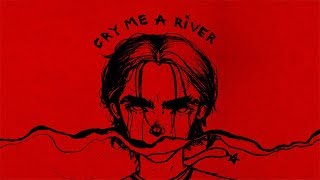
Watch the official Checkmate
music video
A breakup song dressed like a revenge fantasy
At its core, the song describes someone who feels lied to, toyed with, and publicly disrespected. The opening sets that tone quickly. The other person calls late, bends the truth, and acts clever about it. When the narrator hears those mixed signals, the relationship stops feeling romantic and starts feeling manipulative.
A key phrase is "games that you play"
. That line tells listeners how the narrator sees the whole relationship: not as a misunderstanding, but as a setup where one person keeps control by confusing the other.
Interpretation: The song is less about one specific act of cheating than about a pattern of emotional humiliation. The betrayal hurts because it keeps repeating. Every flirtation, lie, or empty promise becomes part of the same match.
The chessboard metaphor explains the power struggle
The title gives the song its whole frame. In chess, checkmate is not just a win. It is the final move that leaves no escape. Gray uses that image to turn heartbreak into strategy.
The lyric "can't play me like your pawn"
is especially important. A pawn is the piece most easily sacrificed, so the narrator is saying they will not be used, moved around, or thrown away for someone else's advantage.
That connects to the chorus, where the other person thinks they are still ahead. The answer is "checkmate"
. In plain terms, the narrator claims they now see the whole pattern and will not be fooled anymore.
From hurt to performance
One of the smartest things about the song is that anger becomes theater. The narrator acts calm, even playful, while planning emotional payback. That performance makes the betrayal feel more dramatic.
"You may think you're winning
but checkmate"
Those two short lines work like the song's thesis. The relationship looked one-sided, but the narrator insists the ending will tell a different story.
What the wild threats really mean
The bridge is the song's most extreme section. It includes threats about property, money, and destruction. Read literally, those lines are shocking. Read as pop writing, they feel exaggerated on purpose.
Interpretation: These images are best understood as revenge fantasy, not documentary fact. Pop songs often use over-the-top detail to show emotional intensity. Here, the point is not a real crime plan. The point is that the narrator's anger has become so large that ordinary breakup language no longer feels big enough.
The phrase "set fire to your lawn"
is a good example. It mirrors the emotional damage already done. The lover burned the narrator internally, so the lyric imagines that damage made visible.
That is why the song can sound funny and threatening at the same time. It knows it is being dramatic, and that self-awareness is part of the appeal.
How the sound sharpens the message
Production matters a lot in "Checkmate." The song moves with punchy pop energy rather than slow heartbreak ballad sadness. That choice changes the meaning. A slower arrangement would make the story feel wounded. This one feels calculating.
The beat pushes the lyrics forward like a chase scene. The hook lands hard and repeats the title like a final verdict. Gray's vocal delivery also helps: he sounds clipped, annoyed, and almost amused in places, which supports the idea that the narrator is reclaiming control through attitude.
Interpretation: The bright, tight pop production creates an emotional mismatch on purpose. The subject is painful, but the sound is fun. That contrast makes revenge feel catchy, which is exactly why the song sticks.
Where this song fits in Conan Gray's world
"Checkmate" arrived before Kid Krow made Gray a wider pop audience favorite, but it already showed key parts of his writing style: strong hooks, vivid high school and young-adult emotions, and a gift for turning private embarrassment into something theatrical and singable.
Compared with his sadder songs, this one is more confrontational. It still deals with insecurity and rejection, but it refuses to sit quietly with them. Instead, it snaps back. That makes it one of his clearest early portraits of heartbreak as a contest over dignity.
The lasting takeaway from the song
The meaning of Checkmate Conan Gray comes down to this: betrayal can make someone feel small, but the song imagines a moment when they stop accepting that role. Whether the revenge is real or exaggerated, the emotional truth is clear. They were lied to, they see the pattern now, and they want the last word.
That is why the song still works. It captures the instant when sadness hardens into defiance, and it wraps that feeling in a clever metaphor anyone can grasp.
Disclaimer: This interpretation is based on the song's lyrics, tone, and release context. As with most pop songs, some meaning remains open to listener interpretation.









