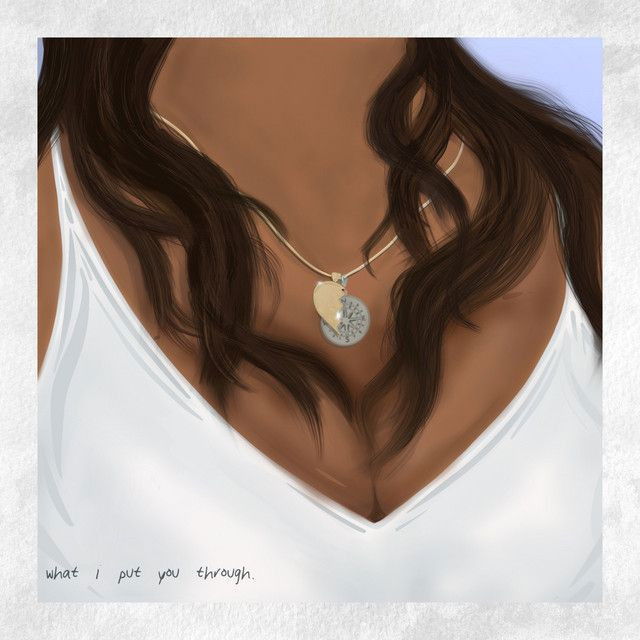
What I Put You Through by Conor Maynard
A breakup song can chase sympathy, but this one does something harder: it admits fault and stays there.
"What I Put You Through" - Conor Maynard
Provided by LyricFindI saw you told the world
You're a single girl
I won't lie, that broke my heartLoading...Loading lyrics...
Unable to load lyrics
We're unable to display the lyrics at this time. Please try again later.
Why This Confession Hits So Hard
The meaning of What I Put You Through Conor Maynard comes down to guilt, accountability, and the strange need to suffer after causing pain. Instead of blaming the other person, the narrator openly accepts that they damaged the relationship. The song frames heartbreak not as a mystery, but as the result of choices they now regret.
Factually, the single was released on November 12, 2021, and Conor Maynard co-wrote it. He also called it his most personal song
, a brief comment that matters because it tells listeners to hear the track as unusually close to real feeling rather than a generic breakup script (Wikipedia).
That context shapes the song’s tone. It sounds less like an argument and more like a confession delivered after the damage is already done.

Watch the official What I Put You Through
music video
A Narrator Who Knows They Failed
From the first verse, the story is simple and painful. The narrator sees that their former partner has presented herself to the world as unattached. That public sign of the breakup hurts, but the song quickly makes clear that their pain is not the main issue. They know they helped create the distance.
Short phrases like single girl
and far apart
show the emotional gap. But the deeper point is not jealousy. It is recognition. The narrator realizes the relationship has moved beyond repair, and they cannot pretend they were blindsided.
The real enemy is their own mind
One of the strongest ideas in the song is that outside criticism is easier to handle than private shame. The narrator mentions harsh words from friends, then says their own thoughts are worse. That detail pushes the song beyond ordinary regret.
Interpretation: this suggests a person replaying their mistakes over and over, unable to stop judging themselves. In that reading, the breakup continues long after the relationship ends because guilt keeps it alive.
The Chorus Turns Pain Into Punishment
The chorus is the emotional center of the song. The narrator almost invites the ex to say cruel things, including waste of love
and not enough
. Before and after those phrases, the meaning is clear: they believe they deserve rejection.
This is important because the chorus is not really asking for dialogue. It is staging a sentence. The narrator imagines being condemned and then insists that even that would not equal what I put you through
.
In plain terms, they think their guilt is heavier than any insult. That is what gives the hook its force. It is not just sadness over losing someone; it is moral pain over failing them.
What the Verses Reveal About the Relationship
The second verse explains the breakup more directly. The narrator says they kept asking their partner to stay, even when letting go might have been kinder. They also admit they could not settle down but still wanted the other person close.
That contradiction is the heart of the song’s story:
- They wanted comfort.
- They resisted commitment.
- They expected the relationship to survive both.
The line about wanting different worlds
captures that split. They wanted freedom and devotion at once. The song treats that as selfish, not romantic.
Interpretation: this can be read as an emotional push-pull dynamic, where one partner keeps the other near without offering real security. That is why the narrator’s regret feels so sharp. They are not sorry only because they lost love; they are sorry because they misused it.
Grief, Not Just Regret
Near the end, the song shifts from confession into mourning. The narrator says it feels like grieving and like part of them is leaving. That expands the emotional scope. They are not only ashamed; they are experiencing loss as something physical and ongoing.
Here, the writing becomes especially effective because it links two truths at once. First, they hurt someone else. Second, they are also wounded by the consequences. The song never says those two pains are equal. In fact, it argues the opposite. But it allows both to exist.
That balance keeps the track from sounding manipulative. The narrator does not ask to be excused. They say, in effect, that they understand why forgiveness may never come.
How the Sound Supports the Meaning
Even without long lyrical detail, the song’s structure suggests intimacy. The melody and repeated hook give it a modern pop-ballad feel, but the emotional engine is restraint rather than drama. The repetition of the title phrase works like obsessive thinking: the same regret returning again and again.
Maynard’s vocal style also fits the theme. He tends to sing with a polished pop-R&B smoothness, and here that control makes the confession sound more believable. Instead of exploding into anger, the performance stays focused on ache and self-reproach.
Interpretation: that polished but wounded delivery mirrors the song’s central conflict. The narrator is trying to speak clearly, even while emotionally unraveling.
Where the Song Sits in Conor Maynard’s Story
For career context, Maynard first rose to fame through YouTube and later broke through in the UK pop world, including winning MTV’s Brand New for 2012 and releasing his debut album Contrast in 2012. Years later, songs like this showed a more reflective side of his catalog, ahead of his 2023 album +11 Hours (Wikipedia).
That matters because “What I Put You Through” does not feel built for image-making. It feels built for honesty. Even though it reached No. 40 on the UK Singles Sales Chart rather than becoming a major mainstream hit, its appeal is emotional specificity, not chart power (Wikipedia).
The Lasting Meaning
The meaning of What I Put You Through Conor Maynard is that some breakup songs are really apology songs. This one goes even further: it is an apology from someone who knows sorry may never be enough.
Its power comes from that blunt truth. The narrator is not asking listeners to pick a side. They are showing what it sounds like when a person finally admits they were the reason love collapsed.
Disclaimer: This interpretation is based on the lyrics, publicly available release information, and Maynard’s brief public comment. Meaning in music can remain open, and different listeners may hear the song differently.