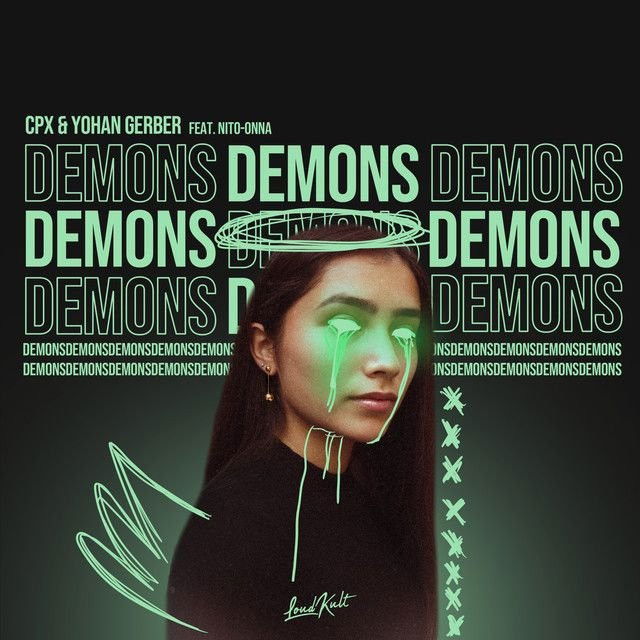
Demons by CPX, Yohan Gerber, Nito-Onna
The meaning of Demons CPX, Yohan Gerber, Nito-Onna centers on a simple but painful idea: they want closeness, but they fear what another person will find if they get too near. That tension drives the whole song. It is not just about being troubled. It is about knowing those troubles could spill into love, trust, and identity.
"Demons" - CPX, Yohan Gerber, Nito-Onna
And the cards all fold
And the saints we see
Loading lyrics...
Unable to load lyrics
We're unable to display the lyrics at this time. Please try again later.
This version carries the emotional blueprint of the well-known song written by Joshua Francis Mosser, Alex Grant, Benjamin Arthur McKee, Daniel Coulter Reynolds, and Daniel Wayne Sermon. In plain terms, it is a confession song. The speaker is trying to warn someone they care about while also admitting they cannot fully escape their own darkness.
A confession hidden inside a warning
At its heart, the song works like a push-pull. The speaker wants to protect the other person, but they also know that hiding the truth cannot last. Early lines paint a cold and broken world where ideals have failed and moral heroes look false. That setting matters because it shows that the problem is not only personal. The song sees corruption everywhere, then turns inward and says: that same damage lives here too.
That is why short phrases like hide the truth
and shelter you
matter so much. They suggest care, but also secrecy. The speaker is not being distant because they feel nothing. They are pulling back because they feel too much and think they are dangerous to love.
Watch the official Demons
music video
Why the chorus hits so hard
The chorus gives the song its emotional center. When the singer says my demons hide
and warns don’t get too close
, the message is clear: intimacy feels risky. They believe that if someone looks deeply enough, they will see pain, anger, guilt, or brokenness that cannot be cleaned up.
Interpretation: The “demons” are not literal monsters. They are the parts of the self a person feels ashamed of. That can include past mistakes, trauma, addiction, rage, fear, or a pattern of hurting others. The song leaves that open on purpose, which is one reason it connects with so many listeners.
The phrase it’s dark inside
keeps the image broad and relatable. Darkness here means inner chaos, not just sadness. It suggests a space the speaker does not fully control.
The verses move from society to the self
One of the song’s smartest moves is how it begins with the world before narrowing to the individual. The opening images describe cold days, failed dreams, and hollow ideals. In other words, the speaker sees a world built on greed and false worship.
Then the lyric shifts from public disappointment to private admission. The line about being made of greed
is especially important. It says human weakness is not only “out there” in leaders or crowds. It is also inside ordinary people. That confession makes the chorus more powerful because the speaker is no longer judging others from a distance. They are including themselves in the problem.
A brief timeline of the song’s emotional arc
- The world is presented as morally damaged.
- The speaker admits they want to protect someone.
- They confess that danger lives within them too.
- The chorus turns that fear into a direct warning.
- The ending suggests they still want rescue, even if they doubt they deserve it.
Love, shame, and self-sabotage
The most emotional section may be the final verse, where the speaker seems torn between fate and choice. They imply that darkness feels deeply rooted, almost woven into who they are. At the same time, they still care about the other person’s light and innocence.
Your eyes, they shine so bright
I wanna save that light
Those lines are brief, but they change the song’s mood. The speaker is not only afraid of being exposed. They are afraid of causing damage. That makes the song less about self-pity and more about self-awareness.
Interpretation: This is where the track can be read as a song about self-sabotage. They may be pushing someone away not because the relationship is weak, but because they think they themselves are the threat.
How the sound carries the message
Production is a huge part of why the song lands. Even in reinterpretations like this one, “Demons” usually depends on a slow build, heavy atmosphere, and a chorus that opens up emotionally. That structure mirrors the lyric’s movement from repression to admission.
The verses often feel restrained, almost like someone trying to keep control. Then the hook rises and widens, sounding like a truth that can no longer stay buried. Strong percussion, dark synth or rock textures, and an urgent vocal line all support the same feeling: inner conflict has reached the surface.
For listeners, that means the song does not just describe turmoil. It performs it.
Why the song stays relatable
The meaning of Demons CPX, Yohan Gerber, Nito-Onna remains powerful because it avoids overexplaining. The song never names one exact wound or one exact sin. Instead, it uses broad images of darkness, failure, and warning that many people can map onto their own lives.
Some may hear it as a relationship song. Others may hear mental health struggle, family trauma, guilt, or fear of becoming like the worst parts of the world. All of those readings fit because the lyric is built around emotional truth rather than strict plot.
Final takeaway
“Demons” is about what happens when love meets shame. The speaker wants honesty, but they fear honesty will destroy closeness. That is why the song feels both protective and tragic at once.
In the end, they are not only saying, “Stay away.” They are also saying, “Please understand why.”
Disclaimer: This article offers interpretation based on the lyrics, songwriting credits provided, and the song’s emotional and musical cues. Meaning can vary from listener to listener.









