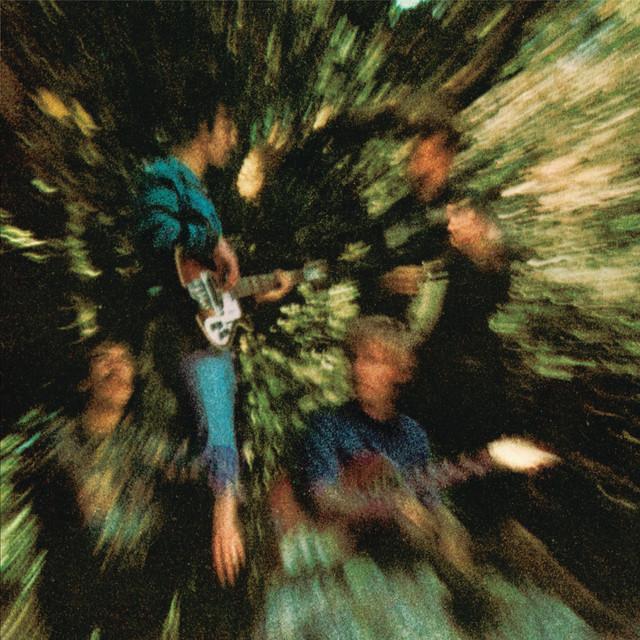
Proud Mary by Creedence Clearwater Revival
The meaning of Proud Mary Creedence Clearwater Revival starts with a simple but lasting idea: a person leaves behind grind, pressure, and disappointment, then finds freedom in motion. The song sounds easygoing, but its story is about a major life shift. It moves from city labor to river travel, from feeling boxed in to feeling carried forward.
"Proud Mary" - Creedence Clearwater Revival
Workin' for the man every night and day
And I never lost one minute of sleepin'
Loading lyrics...
Unable to load lyrics
We're unable to display the lyrics at this time. Please try again later.
Creedence Clearwater Revival released “Proud Mary” in 1969, written by John Fogerty, and it became one of the band’s signature songs. That matters because CCR often blended rock with country, blues, and swampy Southern imagery, even though they were a California band. In this track, they turn that mix into a mythic American journey.
A Work Song That Turns Into Escape
The opening verse places the narrator in a routine job, stuck workin' for the man
. That phrase quickly sets up the conflict. They are not describing one bad day; they are describing a whole way of life built on duty, repetition, and little freedom.
What is striking is the lack of self-pity. The narrator says they did not waste time worrying about what might have been. Instead, the song pushes forward. That emotional choice is key to the meaning of Proud Mary Creedence Clearwater Revival: freedom arrives not through complaint, but through movement.
The river then becomes the opposite of the city. The city is associated with labor and missed pleasures. The river promises motion, air, and a life that feels more open.
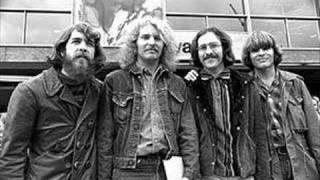
Watch the official Proud Mary
music video
Why the River Feels Bigger Than a Place
The chorus is one of the most memorable in rock, but its power comes from symbolism as much as melody. When the song says big wheel keep on turnin'
and rollin' on the river
, it presents life as ongoing motion. The narrator is no longer trapped in one place. They are part of something larger and continuous.
Interpretation: “Proud Mary” is usually heard as a riverboat, but it also works as a symbol. It can stand for escape, self-renewal, or even the idea of America itself—restless, moving, and full of second chances.
That is why the title feels so vivid. “Mary” sounds personal, almost affectionate, while “Proud” gives the image strength and dignity. The riverboat is not just transportation. It becomes a partner in rebirth.
The Story Hidden in the Verses
The second verse widens the narrator’s world. They mention hard, low-level work in Southern cities before finally seeing a better side of life on a riverboat. The point is not geography alone. It is the contrast between survival and awakening.
A clear way to read the song’s timeline is:
- They begin in a controlled city job.
- They spend time doing difficult, unglamorous work.
- They discover a new path through the river.
- They find a community shaped by generosity.
That final step matters most. In the last verse, the song says people by the river are ready to share, even when money is short. The idea is summed up in happy to give
. This turns the river into more than a route of escape. It becomes a model of a better social world.
Sound That Moves Like Water
Part of why the song lasts is how well the music carries the message. CCR does not overplay. The arrangement is tight, direct, and rhythmic, with a groove that feels steady rather than flashy. That steadiness mirrors the current of a river.
Fogerty’s vocal is especially important. He sounds rough, urgent, and convincing, which keeps the song grounded. Without that voice, the river imagery might feel romanticized. With it, the song feels earned.
The band’s rhythm section helps create that sense of forward travel. The beat pushes ahead without rushing, and the guitar lines keep the track rooted in roots-rock simplicity. The result is a sound that feels physical, almost like a wheel turning under pressure.
Artist Context Helps Explain the Song
John Fogerty wrote “Proud Mary,” and the song appeared on Bayou Country. Even though CCR came from Northern California, they were deeply influenced by blues, rockabilly, country, and Southern musical imagery. That blend helped them create songs that felt old, lived-in, and unmistakably American.
This context is useful because “Proud Mary” is not a documentary song. It is a crafted vision. Fogerty was writing from imagination as much as experience, shaping an idealized river world that listeners could enter. That may be one reason the song connected so widely: it feels specific, but also universal.
Two Strong Ways to Read It
Interpretation 1: The song is about personal liberation. A worker rejects an empty routine and finds dignity outside the system.
Interpretation 2: The song is about community. The river world offers not just movement, but human kindness and shared survival.
These readings do not cancel each other out. In fact, they strengthen each other. The song suggests that freedom means more than being alone; it means joining a place where life feels more human.
Why “Proud Mary” Still Connects
The meaning of Proud Mary Creedence Clearwater Revival still resonates because many listeners know the feeling of wanting out—out of a job, a pattern, or a version of life that no longer fits. The song offers a fantasy of motion, but it also offers a moral idea: there may be a better life beyond the grind, and it may be built on generosity rather than status.
That is why the chorus still lands. It is not only catchy. It gives listeners a felt sense of release.
Disclaimer: This interpretation is based on the lyrics, recording, and known artist context. As with many classic songs, listeners may hear different meanings in the same lines.








