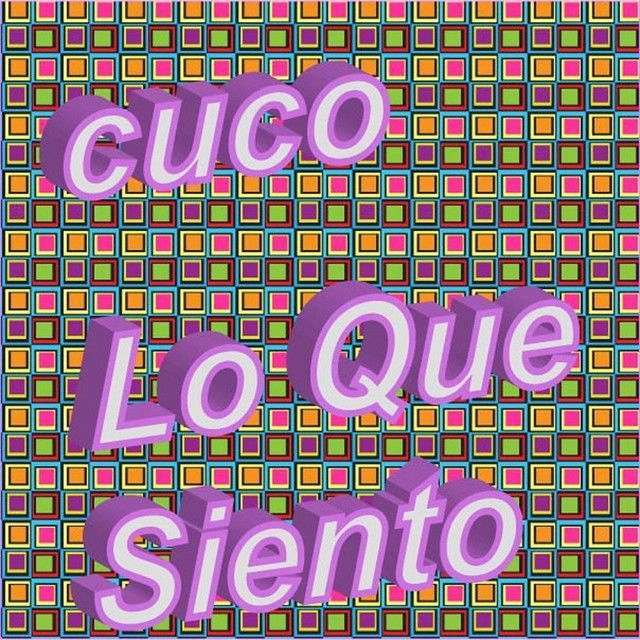
Why 'Lo Que Siento' Feels So Intimate
For many listeners, the meaning of Lo Que Siento Cuco comes down to one simple feeling: being deeply in love and trying to put that feeling into words before distance or doubt gets in the way. The song is tender, direct, and dreamy. It sounds like a private confession, but it also feels big enough to become anyone's late-night love song.
"Lo Que Siento" - Cuco
Baby don't trip, I'm coming home
Kick it with me, I don't care if the sun is gone
Loading lyrics...
Unable to load lyrics
We're unable to display the lyrics at this time. Please try again later.
Cuco, the stage name of Omar Banos, became known for blending indie pop, bedroom pop, and Chicano influences into a sound that feels both homemade and emotionally open. According to AllMusic, that mix is central to their identity as an artist. In “Lo Que Siento,” that style supports a song about longing, devotion, and the hope that a relationship can survive time apart.
A Love Song Built on Longing
At its core, the song is about missing someone while still feeling certain about them. The speaker keeps imagining reunion, comfort, and a future together. When they say dreaming of you
, the idea is not just romantic fantasy. It shows how love fills empty space when the other person is gone.
That matters because the song does not present love as easy. The speaker is away, the nights are short, and the future is still uncertain. Even so, they return again and again to reassurance. Phrases like I'm coming home
and it's your song
frame the track as both a promise and a gift.
Interpretation: The emotional center is not passion alone. It is emotional loyalty. They are trying to calm the other person and themselves at the same time.

Watch the official Lo Que Siento
music video
The Bilingual Lyrics Are Part of the Meaning
One reason the meaning of Lo Que Siento Cuco feels so personal is the easy movement between English and Spanish. This is not just stylistic decoration. The switch in language makes the emotions feel more natural, as if the speaker is reaching for whichever words feel closest to the heart.
When the song shifts into Spanish, it often becomes even more vulnerable. The title itself, Lo que siento
, points to that. It means “what I feel,” and the whole track is built around the challenge of expressing feelings that seem almost too strong to explain.
This bilingual voice also reflects Cuco's wider artistic world. Coverage from NPR and The Fader has noted how they connect personal emotion with bicultural identity. In this song, love and language are tied together. The result is a track that feels specific to Cuco's background while staying relatable to a broad U.S. audience.
How the Verses Move From Joy to Worry
The song's verses follow a clear emotional pattern:
- They open with affection and desire.
- They move into daydreams about spending life together.
- They admit sadness when that dream is not real yet.
- They end by returning to hope.
That pattern is why the song feels honest. It does not pretend love is only bliss. One line suggests that time will tell whether the relationship can fully happen. Another section describes bitter, heavy days without the other person. Even then, the speaker never abandons the idea of commitment.
Baby don't crywhen I am gonePromise you are everythingI want
Those lines capture the song's emotional logic. First there is separation, then comfort, then a renewed vow. The speaker knows absence hurts, so they answer pain with reassurance.
The Chorus Turns Repetition Into Devotion
The chorus is simple, and that simplicity is the point. It keeps circling back to homecoming, comfort, and certainty. Repeating the same thoughts makes the emotion feel obsessive in a gentle way. The speaker is not trapped in panic; they are anchored by one person.
This is where everything I want
matters most. It is a huge statement, but the soft delivery keeps it from sounding dramatic. Instead, it sounds sincere, almost shy. That balance is one of Cuco's strengths as a songwriter.
Interpretation: The repetition mirrors real infatuation. When someone is in love, they often think the same thoughts over and over. The chorus recreates that mental loop.
Why the Production Feels Like a Memory
The production helps explain why the song connects so strongly. “Lo Que Siento” has the hazy, floating quality often linked to bedroom pop. Its soft synths, relaxed beat, and warm melody create a feeling halfway between a slow dance and a memory.
Cuco's vocal style is key too. They do not sing with huge force. Instead, the voice drifts over the instrumental, making the confession sound close and private. That suits a song where the main action is emotional, not dramatic. The listener is not watching a story unfold from outside. They are being invited inside the speaker's head.
This sound also supports the lyric theme of dreaminess. The track feels suspended, as if time has slowed down. That makes sense for a song where missing someone turns hours into long emotional stretches.
A Sweet Song With Real Stakes
Even though the track is gentle, there is tension underneath it. The speaker worries that love may remain partly unrealized. They imagine a shared future, but they cannot fully claim it yet. That gap between desire and reality gives the song its ache.
At the same time, the song never becomes cynical. It stays soft, hopeful, and loyal. That is why listeners often hear it as both a crush song and a commitment song. It captures the moment when affection starts to feel serious.
Why It Still Resonates
The meaning of Lo Que Siento Cuco lasts because it says something simple in a believable way: real love can feel dreamy, but it also asks for patience. The song understands that missing someone can make feelings sharper, not weaker.
For fans, its power comes from that mix of sweetness and uncertainty. It is romantic without being fake, and vulnerable without losing warmth.
Disclaimer: This interpretation is based on the lyrics, recording, and public artist context. As with any song, listeners may hear different meanings in it.







