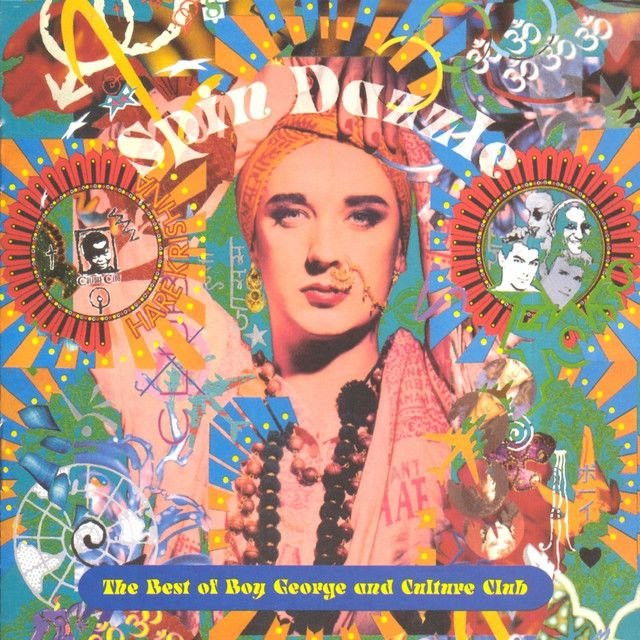
Miss Me Blind by Culture Club
A hit from Culture Club’s imperial phase, this track wraps a sharp breakup message in bright, radio‑ready pop. Released as a single in 1984 from the 1983 album Colour by Numbers, it shows how Boy George and the band could make heartache feel danceable. The narrator is certain an ex will regret letting them go—an argument delivered with wit, style, and a touch of menace.
"Miss Me Blind" - Culture Club
I know you'll miss me
I know you'll miss me blind
Loading lyrics...
Unable to load lyrics
We're unable to display the lyrics at this time. Please try again later.
A Pop Kiss-Off Hiding a Hard Truth
At its core, the song is a power play after a messy split. The singer predicts the ex will miss me blind
—not just miss them, but be too proud or stubborn to admit it. That idea turns the usual breakup script around. Instead of pleading, they forecast future regret with swagger.
Interpretation: The word “blind” points to denial. The ex can’t “see” the value of the love while they have it. Only later—when they’re alone—will the loss become clear. The repeated hook works like a verdict: this will hurt, and you won’t admit it until it’s too late.

Watch the official Miss Me Blind
music video
What the meaning of Miss Me Blind Culture Club reveals
The verses sketch a partner who plays games for status and control. The narrator challenges that showmanship with lines like would I lie to you
, daring the ex to test their prediction. They also offer guidance, then pull it back, as in grab my golden hand
. Even that image feels double‑edged: a helping hand, but also a trophy.
Interpretation: The song frames love as a value system. When the narrator warns to decide if you are rich or you’re poor
, they aren’t counting cash. They’re weighing emotional wealth—generosity, honesty—against greed and performance. If the relationship is built on winning, someone will lose. The chorus insists the loser won’t be the singer.
Who’s Talking, and What Power Do They Hold?
This is first‑person address with a direct second‑person target. The narrator sees through a slick act and calls it out. The jab at kissing to be clever
flips the ex’s charm routine into a critique: affection as strategy, not feeling. It’s witty, but it stings.
Narratively, the song moves through five beats:
- Recognition: the ex is skilled at seduction and reversal.
- Reversal: the singer claims the upper hand by predicting regret.
- Offer: a brief promise to guide, then a warning about need vs. greed.
- Judgment: love should enrich, not deplete.
- Verdict: the refrain returns as prophecy—regret will come.
Symbols You Can Hear and See
Golden hand
: a glamorous rescue or a gilded trap. It captures how help can also be a power move.- “Rich”/“poor”: a metaphor for the cost of love. Emotional generosity makes you “rich”; manipulation makes everyone “poor.”
Kissing to be clever
: a self‑aware wink at Culture Club’s own pop persona, now used to shade the ex’s calculated affection.Miss me blind
: the central emblem—missing what you refused to see. It’s pride turning into pain.
Interpretation: Together, these images paint a relationship fueled by display. Status, charm, and style replace depth. The singer refuses that economy and bets on time exposing the truth.
Sound, Studio Gloss, and the 1984 Moment
The recording’s meaning rides on its feel. A tight rhythm section drives the track, while funk‑tinged guitar and bright keyboards add lift. Steve Levine’s production—slick, layered, and hook‑forward—puts Boy George’s vocal at the center, where it can smile and scold at once. The stacked backing vocals and sharp turnarounds give every line a little extra snap.
Factually, the single became a U.S. Top 5 hit in 1984, proving Culture Club could fuse bittersweet lyrics with undeniable bounce. That success also colors the message: the band packages a breakup warning as a sing‑along, which makes the taunt feel even cooler and more assured.
Other Ways to Hear It + Final Take
Interpretation: Some listeners read the song as a masked letter to a controlling partner, or a jab at materialism in 1980s romance. Both readings fit the text. The money metaphors tease out the cost of chasing image. The speaker’s calm confidence suggests they’ve already done the math and walked away.
In the end, the meaning of Miss Me Blind Culture Club fans return to is simple and strong: love without honesty isn’t worth the shine. The speaker refuses to compete with ego, trusting that time will prove them right. If the ex can’t see the value now, they’ll see it in absence—perhaps blindly.
Disclaimer: Lyric interpretation is subjective. This reading blends textual analysis with known context about the song’s release and production.







