Why “Died in Your Arms” Still Hits Hard
The meaning of (I Just) Died in Your Arms Cutting Crew comes down to one powerful mix: desire, regret, and instant self-awareness. The song sounds huge and romantic, but its story is not a simple love song. It is about a moment that feels irresistible in real time and damaging the second it ends.
"(I Just) Died In Your Arms" - Cutting Crew
It must have been something you said
I just died in your arms tonight
Loading lyrics...
Unable to load lyrics
We're unable to display the lyrics at this time. Please try again later.
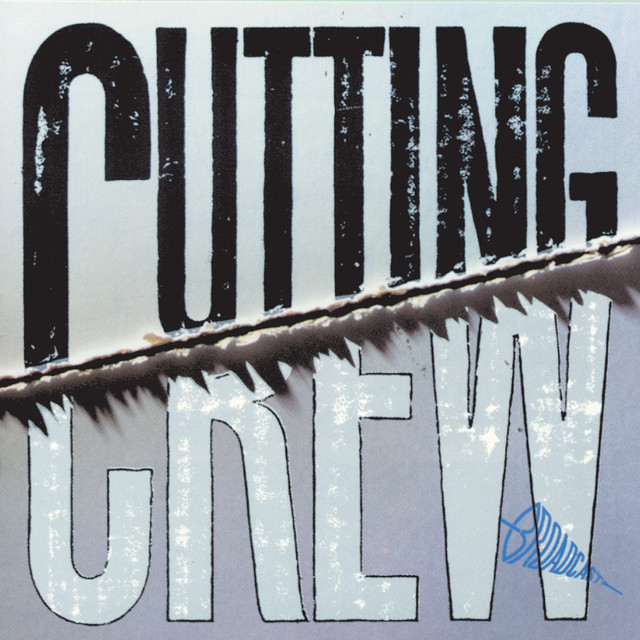
Cutting Crew released the song on Broadcast in 1986, and it became a major hit, reaching No. 1 in the United States and No. 4 in the UK, according to Songfacts. That chart success matters because the song packages messy emotions inside glossy pop-rock production. Listeners get the rush first, then the guilt.
A Big Chorus Hiding a Bad Decision
From the opening seconds, the song drops listeners into emotional overload. The title phrase I just died in your arms
is not literal. It acts as a dramatic way to say the narrator feels undone by intimacy, attraction, and the consequences of giving in.
Just as important is the follow-up thought: I should've walked away
. That line keeps the chorus from sounding purely romantic. It tells them the central feeling is not only passion. It is remorse.
Interpretation: the song works because it captures the split second when pleasure turns into self-reproach. The narrator is not confused about whether the moment felt good. They are upset because it did.

Watch the official (I Just) Died In Your Arms
music video
The Real-Life Story Behind the Lyrics
A lot of songs invite speculation, but this one has unusually clear author context. Songfacts quotes lead singer and writer Nick Van Eede saying the song came from reuniting for one night with his girlfriend after a year apart. He described it as exciting but also shaped by the feeling that he should not be doing it. That backstory strongly supports the song’s tension between longing and regret.
This also clears up a common misunderstanding. The song is not mainly about heartbreak after a breakup, and it is not really about death. It is about a reunion charged with chemistry and guilt.
That context helps explain why the chorus sounds so extreme. A phrase like some kind of kiss
suggests that one intimate act triggers the emotional collapse. The kiss is not just affection. It is the point of no return.
Inside the Scene: Clues from the Verses
The verses make the song feel more specific than many 1980s pop hits. The narrator is not singing in abstract terms. They notice objects and details around the room, and those details create pressure.
The mention of a bedside diary suggests private truth sitting in plain view. The image of closed curtains
adds secrecy. Even the room feels shut off from the outside world.
Then there is the line about broken hearts being all around. Paraphrased, the narrator sees emotional damage everywhere and still walks deeper into it. That is why the song feels tragic without being melodramatic. The danger is emotional, not physical.
A Quick Narrative Timeline
- The narrator enters a reunion already loaded with history.
- The encounter becomes physically and emotionally intense.
- In the middle of that rush, guilt breaks through.
- Afterward, they realize they acted on impulse instead of judgment.
That final point is made especially clearly when the song admits the narrator followed instinct, not reason. They know exactly where responsibility lies.
What the Hook Means on a Deeper Level
The genius of the chorus is that it turns one private mistake into a universal feeling. Most listeners have not lived this exact story, but many know what it is like to do something that feels right in the moment and wrong almost immediately after.
Interpretation: died in your arms
can be heard as the death of composure. The narrator loses self-control, loses moral distance, and maybe loses the cleaner version of themselves they wanted to believe in.
That is why the song still lands. It is not only about romance. It is about the cost of giving in.
How the Sound Sells the Emotion
Musically, the track makes the conflict bigger. Songfacts notes that the song opens with the chorus, which is a smart structural move because it throws listeners straight into the emotional peak. There is no slow setup.
The production blends rock guitars, bright synth textures, and a polished 1980s drum sound. That sheen matters. The arrangement does not sound ashamed. It sounds triumphant, sweeping, and alive.
That contrast is the point. The music gives them the thrill, while the lyrics supply the regret. Nick Van Eede’s vocal performance also helps: he sings with urgency rather than detachment, making the confession feel immediate.
Why the Song Lasted Beyond the 1980s
Its afterlife in film, TV, and later interpolations shows how sticky that chorus is. Songfacts notes appearances in Stranger Things, The Lego Batman Movie, and other pop-culture uses, plus later borrowings by artists including Mika and Amerie. The song survives because its hook is instantly memorable, but also because its emotional setup is easy to recognize.
People hear a giant romantic chorus. Then, if they listen closely, they find a story about weakness, memory, and regret.
Final Take on the Meaning
The meaning of (I Just) Died in Your Arms Cutting Crew is not that love saved the narrator or destroyed them forever. It is more human than that. The song captures one night when desire overpowered judgment, and the emotional fallout arrived almost at once.
That mix of heat and shame is why the song still feels fresh. It gives listeners a glossy pop anthem, but underneath it is a very uneasy confession.
Disclaimer: This interpretation is based on the lyrics, the recording, and publicly discussed artist context. As with any song, listeners may hear meanings that differ from the writer’s stated inspiration.







