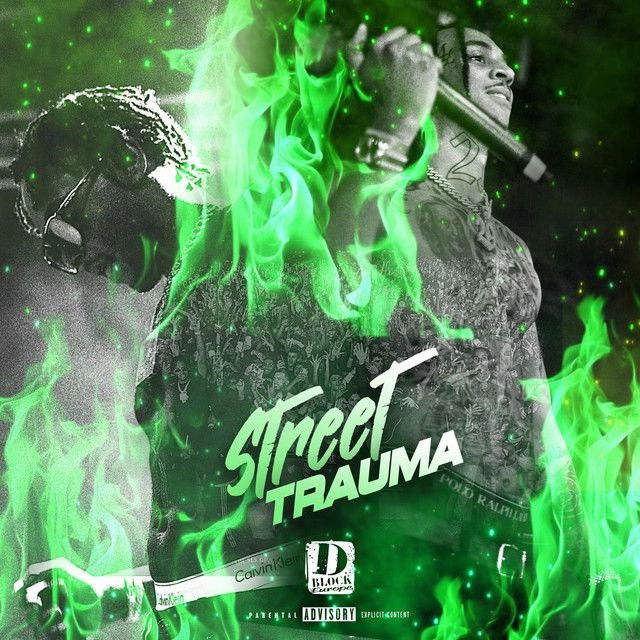
Prescription Drugs by D-Block Europe
The meaning of Prescription Drugs D-Block Europe centers on self-medication, guilt, and the emotional fallout that success cannot fix. On the surface, the song talks about pills, codeine, women, and street life. Under that surface, it sounds like a confession from people who know they are using substances to avoid pain, even while that pain keeps breaking through.
"Prescription Drugs" - D-Block Europe
I'm talking to myself alone in my room like I lost the plot
And every Friday, I still keep my bro LB in my dua's
Loading lyrics...
Unable to load lyrics
We're unable to display the lyrics at this time. Please try again later.
D-Block Europe, the London duo Young Adz and Dirtbike LB, are known for blending melodic rap with themes of trauma, loyalty, and excess. According to the group’s official profiles and major music coverage, their style often mixes glossy trap details with deeply personal writing about loss and survival. That background matters here because “Prescription Drugs” does not treat intoxication like pure celebration. It frames it as a habit linked to hurt.
The Song’s Real Core Is Numbness
The opening sets the tone fast. The narrator says drugs tear me apart
, which immediately undercuts any glamorous image. They are not describing pleasure alone. They are admitting damage.
That damage is mental as much as physical. When they mention talking alone in a room and feeling like they have lost the plot
, the song moves into a headspace of isolation. Interpretation: this is less about one wild night and more about a long pattern of emotional unraveling.
The hook keeps returning to the desire not to feel. That is the key to the song. The substances are not the subject by themselves; they are a tool for emotional escape. In simple terms, the track says pain has become so constant that numbness feels easier than healing.

Watch the official Prescription Drugs
music video
Family Pain Gives the Lyrics Their Weight
One reason the song hits harder than a standard drug confessional is its focus on fatherhood. The narrator says they watch a daughter grow through photos and only see her once a week. That detail changes the whole track.
Instead of sounding like detached flexing, the song becomes a story about consequences. The distance from their child creates a real emotional cost. They can chase money, status, and momentum, but none of that replaces lost time.
There is also a line about keeping someone named LB in their prayers. That adds another layer of grief and loyalty. D-Block Europe often write about brotherhood and absence, and here that pattern connects private sorrow to public image. Strength is presented as something built through suffering, not something that erases it.
Regret, Romance, and the “Devil” Motif
Another major part of the meaning of Prescription Drugs D-Block Europe is regret. The repeated thought that they would never let the devil in
if given another chance suggests moral and emotional self-blame.
This is not a detailed religious song, but that phrase matters. It turns addiction and bad decisions into something larger than everyday mistakes. Interpretation: “the devil” works as a symbol for destructive impulses, toxic habits, and the moment someone knows they are choosing a path that will hurt them.
The relationship lines support that reading. They mention a toxic past, a new partner, and being married to the game
without a ring. That image says commitment exists, but it is pointed in the wrong direction. Instead of stable love or family life, loyalty is tied to hustle, image, and survival.
A Split Song: Confession vs. Performance
One striking thing about “Prescription Drugs” is how it shifts between emotional honesty and sexual bravado. The verses about codeine, counseling, prison-style visits, and fatherhood feel raw. Then another section moves into explicit boasts and a more familiar rap persona.
That contrast may feel jarring, but it is also revealing. D-Block Europe often balance vulnerability with performance. Interpretation: the song may be showing how hard it is to stay emotionally exposed for long. After admitting pain, the narrator retreats into swagger, desire, and control.
That makes the track more human, not less. People do not confess in neat, linear ways. They often bounce between honesty and distraction, which is exactly what happens here.
How the Sound Supports the Story
Even without digging into every production credit, the musical approach matters. The instrumental sits in the moody trap lane D-Block Europe are known for: soft keys, airy space, slow groove, and a hazy atmosphere. That sonic design mirrors the emotional blur described in the lyrics.
The vocals also help carry meaning. Their melodic delivery sounds weary rather than explosive. Instead of attacking the beat with aggression, they drift across it. That makes lines about codeine and distance feel lived-in, almost exhausted.
In other words, the production does not just decorate the song. It reinforces the idea of emotional fog. The music sounds sedated, which fits a track about trying to mute inner pain.
Why the Chorus Lingers
The chorus is the emotional anchor because it combines sadness, self-awareness, and helpless repetition. They watch life move forward, feel the gap between themselves and their daughter, and ask to be filled up because they do not want to feel. Then comes the painful admission that codeine is my medicine
.
That last phrase is especially important because it twists the idea of treatment. Medicine is supposed to heal. Here, the “medicine” is also part of the problem. That contradiction captures the whole song in one image.
Final Take on Its Meaning
So, what is the meaning of Prescription Drugs D-Block Europe? It is a song about trying to numb guilt, grief, and loneliness while knowing that the method of escape is making things worse. It is also about fatherhood, fractured relationships, and the way success can coexist with emotional collapse.
D-Block Europe make the song compelling because they do not present pain as clean or noble. It is messy, repetitive, and mixed with ego, desire, and shame. That complexity is why the track feels more like a confession than a cautionary slogan.
Disclaimer: This interpretation is based on the lyrics, performance, and known artistic context. As with most songs, listeners may hear different meanings in the same lines.









