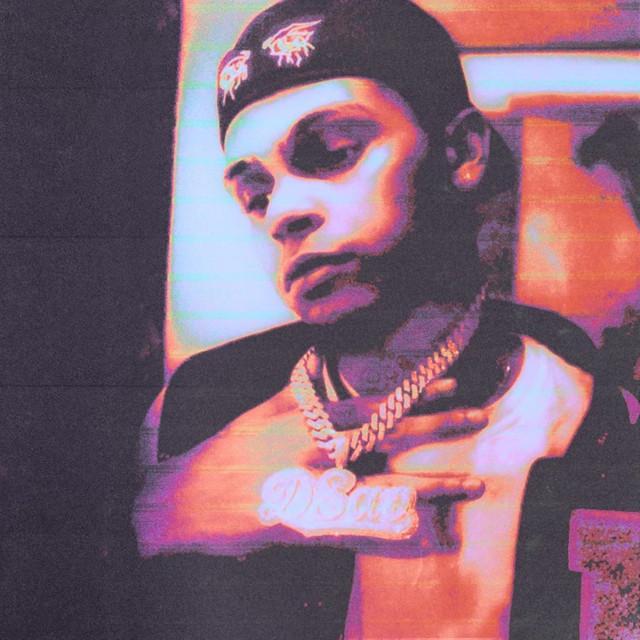
Kome On by D. Savage
The meaning of Kome On D. Savage starts with pressure. This is not a reflective rap song that slowly opens up. It hits fast, repeats itself on purpose, and creates the feeling of someone snapping back into survival mode.
"Kome On" - D. Savage
I'm back, kome on, kome on, kome on kome on, hey
Kome on, kome on, kome on, kome on, huh
Loading lyrics...
Unable to load lyrics
We're unable to display the lyrics at this time. Please try again later.
D. Savage, the Los Angeles rapper born Dylan McCord, built his name through the SoundCloud wave and later released the 2023 project Mafia Musik, the album tied to this track. In that context, “Kome On” sounds like a mission statement: they are back, fully locked in, and ready to turn hunger into menace.
The Hook Feels Like a Trigger
The repeated phrase kome on
does more than fill space. It acts like a chant, a self-command, and a warning to everyone nearby. Instead of telling a detailed story, the hook builds momentum until the whole song feels like a body entering fight mode.
When they say they are in that motherfuckin' zone
, the point is not subtle. The song presents a mind-state where focus, aggression, money, and danger all blur together. Interpretation: the hook suggests that success has not brought peace. It has only sharpened the instincts that kept them alive.
Hunger, Status, and Street Identity
A major part of the song is about proving that they still have drive. D. Savage stacks images of wealth, movement, and control: cash, jewelry, designer clothes, flights, and sexual access. On the surface, these are familiar rap flexes.
But the verses keep linking luxury back to need. They bluntly admit, I gotta eat
, which changes the meaning of the bragging. Money is not framed as comfort. It is framed as proof that they escaped being broke and cannot afford to slip backward.
That tension matters. The song keeps moving between hunger and excess, between old struggle and new display. Even when they mention a bust-down watch or new Marni, the energy is restless, not satisfied. They are spending, but they are still fighting.
Violence Is Part of the Persona
Another key to the meaning of Kome On D. Savage is how openly it ties rap success to threat. The song repeatedly jumps from making music to street retaliation. In one moment, they are in the studio; in the next, they mention weapons, shooters, and enemies.
That switch is central to the track’s identity. It suggests there is no clean line between artist and street figure. The same person who is makin' songs
is also presenting themselves as dangerous if challenged.
Interpretation: this does not have to be read as literal autobiography in every line. It can also be heard as performance, a hardened rap voice meant to project fearlessness. Still, the effect is the same: “Kome On” treats violence as part of credibility, not as a side note.
The Verse World Is Fast and Unstable
The song’s details come in quick flashes. Drugs, women, guns, travel, and money all fly by in short bursts. That style matters because it mirrors the unstable life being described.
One line says, this life fast
, and the whole verse is built that way. There is almost no pause for reflection. Thoughts pile up one after another, as if they are trying to outrun emptiness by naming the next thrill.
There are also hints that the lifestyle has a cost. References to lean, DMT, and emotional distance suggest numbness as much as pleasure. A relationship is reduced to sex without communication. Wealth appears, but so does disorientation. The song’s world is full, yet not grounded.
Sound First, Meaning Second
“Kome On” works because the production supports the lyrics. D. Savage is commonly associated with hip hop, trap, and plugg sounds, according to Wikipedia, and this track fits that loose but menacing lane. The beat leaves room for repetition, ad-libs, and blunt phrases to hit like alarms.
Rather than using a dense lyrical structure, the song relies on rhythm and pressure. The repeated hook becomes almost percussive. The vocal delivery feels clipped and energized, which makes every threat sound immediate.
Why the Simplicity Helps
Some listeners may hear the repetition and think the song says only one thing. In reality, that simplicity is the design. The hook keeps returning because the emotional state never changes. They are not working through conflict. They are staying inside it.
That gives the song its tense quality. It feels less like a narrative and more like an active mood: locked in, irritated, and ready.
Bravado Covers Vulnerability
One of the more interesting parts of the track is how often bragging sits next to insecurity. They mention being broke all their life, then quickly return to flexing. That pattern suggests the flex is a defense against memory.
Interpretation: the song may be using excess to hide fear. If they keep saying they are up, dangerous, and untouchable, they do not have to sit with the instability underneath. The repeated return to money and power sounds like self-belief, but also self-reassurance.
This makes “Kome On” more than a simple street anthem. It becomes a portrait of someone who has made progress but still feels chased by the conditions that shaped them.
Final Take on What It Means
At its core, the meaning of Kome On D. Savage is about re-entry into a ruthless mindset. The song shows D. Savage presenting themselves as hungry, armed, elevated, and emotionally detached all at once. Success is there, but peace is not.
The repeated hook turns that idea into a mantra. “Kome On” is the sound of someone pushing themselves back into beast mode because they believe slowing down could mean losing everything.
Disclaimer: This interpretation is based on the song’s lyrics, performance, and publicly available artist context. As with any song, meaning can vary by listener unless the artist has explained it directly.








