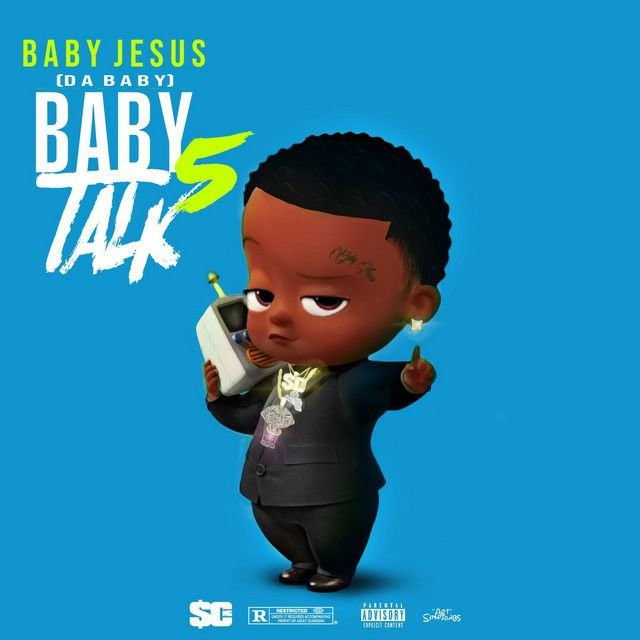
Kujo by DaBaby
Why the song hits so hard
The meaning of Kujo DaBaby starts with a breakup, but the song is not really about heartbreak in a soft or reflective way. Instead, they present a character who reacts to rejection by becoming even colder, louder, and more reckless. The opening sets that tone fast: a girlfriend checks the phone, finds messages, and leaves. Rather than apologize, the narrator shrugs, buys a car, and leans into the identity of a man who cannot be tied down.
"Kujo" - DaBaby
We just broke up through a text
Went through IG and seen our lil' message
Loading lyrics...
Unable to load lyrics
We're unable to display the lyrics at this time. Please try again later.
That is where the title idea matters. When they compare themselves to Kujo
, they are using the image of an aggressive dog to frame the whole song. It is part excuse, part warning, and part flex. The message is not “they feel bad.” It is more like: this is who they are, and anyone expecting loyalty should know better.
Watch the official Kujo
music video
The real meaning behind the story
At a basic level, the track tells a simple sequence. A relationship ends over text. The narrator goes right back to sex, travel, hustling, and showing off. But beneath that action, the song keeps circling one theme: emotional detachment as power.
When they repeat selfish that's true though
, the line matters because it sounds like confession without change. They admit the flaw, but only to remove guilt from it. In other words, honesty becomes a shield. They are not trying to be better; they are trying to control the story before someone else does.
Interpretation: This makes the song less of an apology and more of a self-portrait. The narrator treats selfishness as survival. Love, trust, and commitment are pushed aside because independence, pleasure, and status come first.
A breakup anthem with no healing arc
Many rap songs about a breakup move toward revenge, sadness, or reflection. “Kujo” does something flatter and colder. The relationship ends, and the narrator almost instantly replaces intimacy with motion. They are suddenly in a two-door
, out of town, with a new partner, and back in the routine.
That rapid switch matters. It suggests that distraction is the point. New women, quick deals, and material wins are not random details; they are the emotional strategy. If they keep moving, they do not have to sit with the loss.
I'm a dog I can't help itShe called me selfishneed a few hoes
Those lines capture the song's emotional logic in miniature. First comes the excuse, then the accusation, then the justification. The pattern is simple: blame instinct, accept the label, keep going anyway.
How the verses connect love and hustling
One of the strongest parts of the meaning of Kujo DaBaby is how romance and street economics blur together. The song moves from a failed relationship to buying things, selling things, flipping things, and using people. That is not accidental. It shows a worldview where nearly everything becomes transactional.
The most telling image may be when a woman is described like a temporary vehicle, someone to use and then return. It is a blunt metaphor, and it reveals the song's emotional center. People are treated like possessions, or at least like short-term arrangements. That goes for partners, plugs, and rivals too.
When they boast that they play chess
, the point is not only intelligence. It is distance. Chess is calculated, unemotional, and strategic. That matches the voice of the record. The narrator wants to sound like the smartest person in the room because caring too much would look like weakness.
DaBaby’s performance style matters
DaBaby became known for a punchy, rhythmic delivery and beats that leave room for personality-heavy rapping, as noted in coverage of his breakout run by outlets like Billboard and Rolling Stone. Even without a widely discussed producer credit here, the song fits that style: minimal but bouncy percussion, a lean structure, and a performance built on timing.
That sound changes how the lyrics land. On paper, the song is harsh. In performance, it feels sharp, funny, and slippery. They use quick pivots and compact bars to make ugly behavior sound casual. This is important because the production does not ask for sympathy. It rewards swagger, speed, and bluntness.
Interpretation: The beat helps turn confession into entertainment. A slower, sadder track would expose the emptiness more clearly. Here, the rhythm lets the narrator keep dancing past consequences.
Bravado, humor, and self-exposure
Another reason the song works is that it does not pretend the narrator is noble. There is a strange openness in how plainly they admit messiness. That does not make the behavior admirable, but it does make the song readable. They are not hiding behind romance.
That is why the recurring admission of selfishness is so central. The song's tension comes from hearing someone tell on themselves while still sounding proud. Listeners are left to decide whether this is confidence, damage control, or a mask for insecurity.
A fair reading of the song’s attitude
It is worth saying clearly that the track can be heard two ways:
- Surface reading: It is a flex record about women, money, and moving on fast.
- Deeper reading: It shows a person avoiding vulnerability by reducing everything to conquest and control.
Both readings can be true at once. The song is energetic and funny in places, but its worldview is also bleak. By the end, there is no growth, only more proof that the narrator would rather dominate than connect.
Final takeaway on “Kujo”
The meaning of Kujo DaBaby is not just that a relationship ended. It is that the narrator turns that ending into a statement of identity: untouchable, selfish, and always in motion. The title image, the repeated self-labeling, and the transactional language all point to the same idea: they would rather be feared or admired than emotionally known.
That is what gives the song its edge. It sounds like bragging, but underneath the flex is a person insisting that distance is freedom.
Disclaimer: This interpretation is based on the lyrics, performance, and publicly known artist context. Song meaning can vary by listener, and not every reading reflects confirmed author intent.









