Why "Salma Ya Salama" Still Feels Like Hope
The power of this song comes from a simple idea: even after a dream turns out to be false, the search goes on.
"Salma Ya Salama" - Dalida
Provided by LyricFindUn homme des sables
Des plaines, sans arbres
S'en va de son paysLoading...Loading lyrics...
Unable to load lyrics
We're unable to display the lyrics at this time. Please try again later.
The Heart of the Song
The meaning of Salma Ya Salama Dalida is rooted in movement, longing, and survival. The lyrics follow a man of the desert who leaves home to seek a better future. He crosses harsh land, imagines paradise ahead, suffers disappointment, and still keeps going.
On the surface, it is a travel story. Underneath, it feels like a song about anyone chasing dignity, safety, or freedom. That is why it still lands with listeners far beyond its original moment.
This reading fits the song’s central images: sand, dunes, flowers, a river, and finally a well. Each image marks a stage in hope. The dream first seems near, then proves false, and then returns in a different form.

Watch the official Salma Ya Salama
music video
A Journey Built on Hope and Disillusion
The opening quickly establishes a figure from a hard landscape, a man from des plaines sans arbres
. That phrase matters because it paints a place without comfort or shelter. He leaves not because he is careless, but because staying offers little.
The next step is desire. He goes courir la fortune
, which suggests chasing luck, success, or simply a survivable life. The song does not present greed as the motive. Instead, it frames the journey as human need mixed with imagination.
Then comes the most touching detail: paradise is pictured as un jardin sous la pluie
. That image is small and specific. It is not a palace or a grand kingdom. It is water, growth, and relief. For someone from the desert, rain is not decoration; it is life.
When the Dream Turns Out to Be a Mirage
The middle of the song changes everything. The traveler believes he has arrived. He sees flowers and what looks like a river of happiness. But the lyrics reveal that this vision is a mirage.
That twist is the emotional center of the song. It says that people can spend huge effort moving toward a promise that does not exist. The world can sell an image of abundance, then give back only more sand.
Interpretation: This part can be heard as a reflection on migration and false promises. The traveler reaches what seems like salvation, only to find emptiness. Many listeners may connect that to political borders, economic dreams, or social myths about prosperity.
But the song refuses despair. Instead of collapsing, he begins again, searching for le puits de la liberté
. That final goal is crucial. Wealth fades as a motive, and freedom takes its place.
Why the Chorus Feels So Comforting
The refrain is one reason the song became so memorable. Repeating Salma ya salama
creates a phrase that feels like both a blessing and a return call. Even for listeners who do not know every word, the sound communicates reassurance.
The line about returning safely adds another layer. It turns the chorus into a promise: the traveler may leave, but they still imagine coming back whole. That softens the pain of departure.
Salma ya salama
Je te salue
Je reviendrai be salama
In context, those short lines sound less like plot and more like emotional shelter. The verses face danger and illusion, while the chorus gives the song its heartbeat of endurance.
Symbols That Carry the Meaning
Several recurring images explain why the song feels universal:
- Desert and dunes: hardship, isolation, and the long path ahead.
- Rain garden: a dream of peace, rest, and basic abundance.
- Flowers and river: the appearance of arrival, even if temporary or false.
- Well of freedom: a deeper goal than money; something necessary and sustaining.
These symbols are simple enough for anyone to grasp, but rich enough to hold bigger meanings. That balance is a major reason the song travels so well across languages and generations.
How Dalida’s Performance Changes the Story
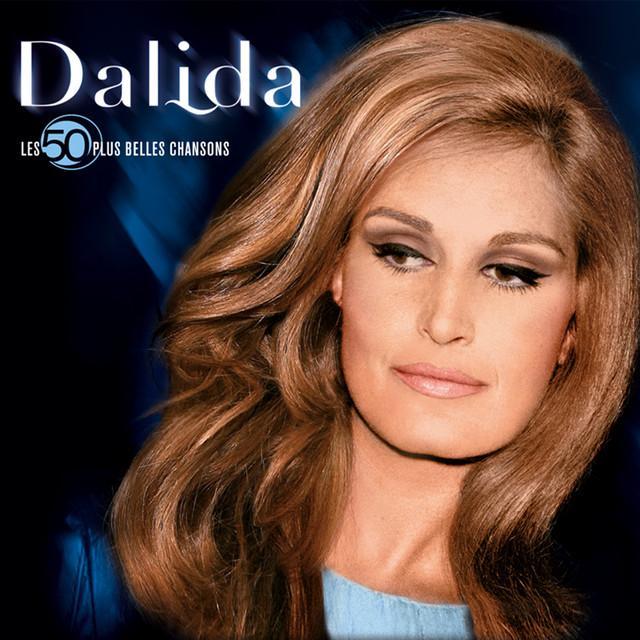
Dalida was known for singing across multiple languages and for building an international career that connected European, Mediterranean, and Middle Eastern audiences, as noted by sources on her career such as Britannica and Radio France. That background matters here.
Her voice does not make the story feel private and broken. They make it feel open, shared, and almost festive. The arrangement, commonly described as pop with strong Mediterranean and Middle Eastern color, gives the song motion rather than heaviness.
That contrast is important. A lyric about mirage and struggle could have been sung as tragedy. Dalida’s delivery instead makes resilience audible. The beat keeps moving, the melody stays inviting, and the performance suggests that survival itself can sound bright.
A Wider Cultural Reading
Factually, the song is credited to Jeff Barnel, Pierre Leroyer, and Salah Jaheen, with the French version becoming one of Dalida’s signature recordings. Jaheen’s involvement also points to the song’s Egyptian-Arab cultural roots, which helps explain the title phrase and the song’s cross-cultural texture.
Interpretation: For some listeners, the song is not only about one traveler. It can also represent the wider human condition: people leave certainty, chase meaning, mistake illusions for answers, and continue searching anyway.
That is the deeper reason the meaning of Salma Ya Salama Dalida still resonates in the United States and elsewhere. It is a migration song, a hope song, and a freedom song at once.
The Lasting Takeaway
What makes this track memorable is its refusal to let disappointment have the final word. The traveler is fooled, but not finished. They keep moving toward something more real.
In that sense, the song says hope is not naive. Hope is what remains after the mirage disappears.
Disclaimer: This article offers a good-faith interpretation of the song based on its lyrics, credits, and performance context. Meanings can vary from listener to listener.








