Why Dark Angel Turned Sodom Into a Warning
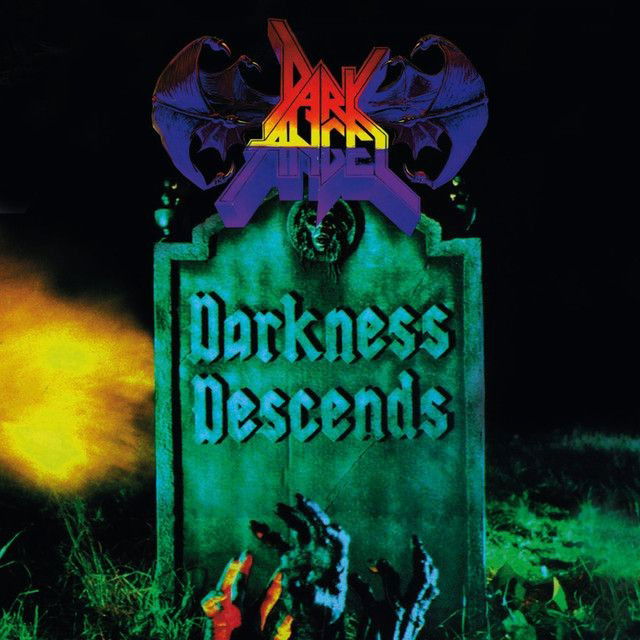
The meaning of The Burning of Sodom Dark Angel starts with a simple fact: the song retells the Biblical destruction of Sodom and Gomorrah, especially Lot’s escape from the doomed city. On Darkness Descends, released in 1986, Dark Angel used that ancient story not as a calm lesson, but as a violent thrash-metal warning about corruption, punishment, and the way people ignore danger until disaster arrives.
"The Burning of Sodom" - Dark Angel
Brought anguish to the eyes
Of all god-fearing people
Loading lyrics...
Unable to load lyrics
We're unable to display the lyrics at this time. Please try again later.
According to the album’s documented song notes, “The Burning of Sodom” tells the story of Lot’s flight from destruction, and the track appears on Dark Angel’s second album, Darkness Descends, produced by Randy Burns with the band. That record is often cited as a key thrash release and an influence on later extreme metal scenes. The song itself runs just over three minutes, which matters: it hits hard, makes its point fast, and leaves almost no room for comfort.
The Core Story Beneath the Fire
At the most direct level, the lyrics present Sodom as a place consumed by sin, arrogance, and contempt for holiness. Early lines set up a society where old corruption has returned, almost as if history is repeating itself. Phrases like perversion on the rise
and Gommorrah realized
frame the city as both ancient and current.
That double feeling is important. The song is not only looking backward at scripture. Interpretation: it also suggests that the sins of Sodom are never truly gone. They come back in new forms, in every age.

Watch the official The Burning of Sodom
music video
A Narrator Who Sounds Like a Judge
The lyrics are written in third person, which gives the song a distant, severe tone. They do not speak as Lot, a victim, or even a witness on the street. Instead, they describe events from above, almost like a chronicler announcing a sentence.
That is why lines such as angels searched for a few
matter so much. The idea is not that everyone is beyond saving. The song leaves space for a small remnant of innocence, but only barely. Most of the city has already chosen its fate.
How the Plot Unfolds
The narrative moves in a clear sequence:
- Sodom is introduced as corrupt and defiant.
- Angels arrive to find anyone worth saving.
- The warning is ignored by skeptics and mockers.
- Destruction falls from above.
- Lot’s family escapes, but the aftermath stays morally messy.
That last point is especially striking. The song does not turn Lot’s story into a neat victory. Even escape does not erase human brokenness.
The Chorus Turns Judgment Into Spectacle
The chorus is where the song stops explaining and starts punishing. When the lyrics describe Burning, city of Sodom
and one by one, sinners pay
, the track becomes less like a history lesson and more like a vision of final reckoning.
Interpretation: this matters because the chorus is not mournful. It is fierce. Dark Angel presents destruction as overwhelming, almost cinematic. That choice fits thrash metal’s taste for extremity, but it also sharpens the theme: once the line is crossed, there is no gentle correction left.
The Song’s Most Challenging Idea
One of the more unsettling parts of the lyric is that it does not portray evil as limited to one dead city. Near the end, the song widens its focus and suggests that iniquity survives across time, even inside religious culture. That move complicates everything.
Instead of saying, “Those people were evil, and everyone else is safe,” the song argues that corruption keeps returning. Interpretation: this may be the deepest meaning of The Burning of Sodom. Sodom is not only a place. It is a pattern.
The track also includes anti-clerical imagery, such as the mocked holy cross
and the image of false authority. In a metal context, that imagery can sound purely rebellious. But here it serves the larger story of inversion, where sacred order has been flipped upside down.
Why the Music Feels Like Collapse
Dark Angel were part of the faster, harsher wing of 1980s thrash, and Darkness Descends is known for its intensity. The production by Randy Burns and the band is rough, sharp, and relentless, while Gene Hoglan’s drumming became a major part of the album’s reputation. Even Hoglan later looked back critically on aspects of the performance and sound, but that rawness is part of why the record still feels dangerous.
In this song, the guitars rush forward like a closing wall. The riffs do not create reflection; they create pressure. The drums push the track like a countdown, and Don Doty’s vocal delivery sounds more like a barked warning than a sermon.
That matters for the meaning of The Burning of Sodom Dark Angel because the arrangement mirrors the lyrics. The city is not just described as collapsing. The music makes them feel it collapsing in real time.
Artist Context Makes the Theme Clearer
Dark Angel filled Darkness Descends with narrative songs about death, prophecy, war, and horror. In that setting, “The Burning of Sodom” fits naturally. It is one more tale of catastrophe, but it stands out because its source material is ancient and widely known.
Songwriting details also help. Research on the album credits the lyrics to Jim Durkin, Gene Hoglan, and Don Doty, with music by Durkin and Eric Meyer. That shared writing style helps explain why the song feels both story-driven and riff-first: it has the momentum of a band turning a famous moral tale into a compact thrash attack.
Final Take: Ancient Wrath, Modern Fear
In the end, the song is about more than Biblical fire. It is about a society that laughs at warnings, a tiny chance for escape, and a final judgment that arrives too late to stop. Interpretation: Dark Angel use Sodom as a mirror, asking whether people ever really change or whether they keep rebuilding the same doomed city.
That is what gives the track its staying power. It is not subtle, but it is effective: a short, brutal song that turns scripture into a metal vision of recurring human failure.
Disclaimer: This article offers a literary interpretation of the song and its themes. Meanings can vary by listener unless the band has stated otherwise directly.







