Why 'Too Much Fun' Still Feels So Country
The meaning of Too Much Fun Daryle Singletary comes down to a simple country idea: life is short, rules are annoying, and a good time can feel like its own kind of truth. The song does not argue that reckless behavior is wise. Instead, it turns that behavior into a comic badge of honor.
"Too Much Fun" - Daryle Singletary
The sheriff said, "Boy I should've known it was you
You got fourteen people in the back of this truck
Loading lyrics...
Unable to load lyrics
We're unable to display the lyrics at this time. Please try again later.
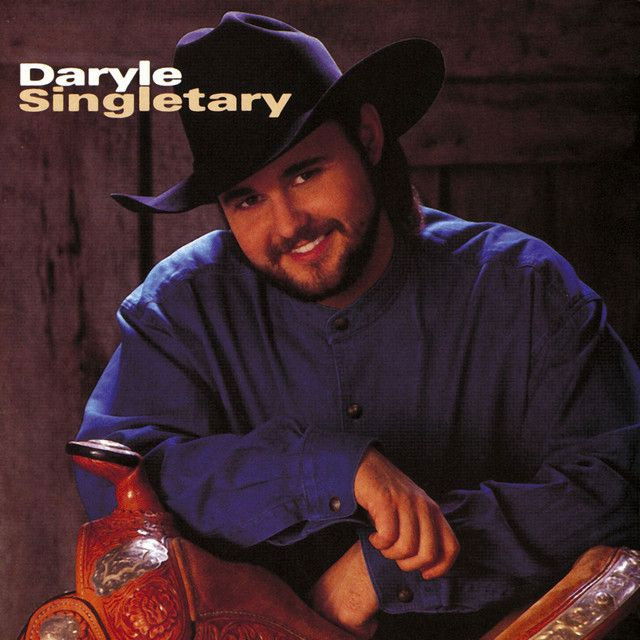
Daryle Singletary sang it with such conviction that the joke lands as character, not gimmick. That matters. He built a reputation as a traditionalist, and after his death in 2018, writers remembered him as an artist devoted to “true-to-life country music,” as quoted by American Songwriter from an earlier Country Standard Time interview. That context helps explain why this song still connects: it sounds lived-in, not manufactured.
A Good-Time Song With a Rebel Streak
At the story level, the narrator keeps getting called out for going too far. He is stopped by the law, caught in barroom chaos, and generally seen as the guy who brings noise wherever he goes. But instead of apologizing, he treats the charge of having too much fun
like a compliment.
That is the core message. The song flips criticism into pride. When the chorus compares excess fun to things like money, luck, and speed, it argues that pleasure and freedom do not feel excessive from the inside. They feel desirable.
Interpretation: the song is not really defending every bad decision. It is defending a mindset. The narrator wants to live large enough that ordinary limits seem silly.
Watch the official Too Much Fun
music video
How the Verses Build the Character
The first verse opens with police lights and a sheriff who already knows the culprit. That detail tells listeners this is not a one-time mistake. The narrator has a reputation. Even before the chorus arrives, the song paints him as a familiar small-town troublemaker.
Then the second verse moves to the bar scene. A fight breaks out, the night spins out, and getting thrown out is treated less like humiliation than a reason to keep going. The line about the night still being young turns the song into a chain reaction: one party ends, another begins.
A brief self-description near the end, including holly terror
and tornado
, pushes the image further. He is not just wild; he sees himself as a force of nature. That exaggeration is key to the humor.
Why the Chorus Carries the Meaning
The chorus is catchy because it works like an argument disguised as a grin. The narrator hears the complaint, then shrugs it off with what's that mean?
In other words, he refuses to accept the idea that joy has a proper limit.
It's like too much money
there's no such thing
That short comparison sums up the song's worldview. The narrator uses everyday wants to make his case. More money, more luck, a faster car, a prettier girl: these are not framed as moral ideals. They are framed as things regular people instantly understand.
Interpretation: beneath the humor, the chorus also reveals insecurity. People keep telling him he has gone too far, which means he is measuring himself against judgment. His laughter may be confident, but it is still an answer to social pressure.
The Sound Makes the Message Hit Harder
Part of the meaning of Too Much Fun Daryle Singletary lives in the performance, not just the words. Musically, it leans into a bright, traditional country setup: a steady danceable groove, twang-forward instrumentation, and the kind of barroom energy that suits a honky-tonk narrator.
Singletary's voice is crucial. He does not sing this like a novelty tune. He sings it with a firm, slightly hard-edged country tone that makes the character believable. That is one reason the song has lasted among fans of 1990s country.
Factually, American Songwriter notes that Too Much Fun
was the third single from Singletary's self-titled debut album and that Randy Travis, James Stroud, and David Malloy were among that album's producers. That production pedigree helps explain the song's traditional feel: it sits comfortably in the mainstream of '90s country while keeping a strong honky-tonk backbone.
Artist Context Matters Here
Singletary was often praised for refusing to sand down his country roots. That image makes this song more than a party record. It becomes a statement of identity.
When an artist known for authenticity sings about a man who will not be tamed, listeners hear more than a bar joke. They hear a defense of rural, working-class freedom, even when that freedom is messy. The narrator is not polished, respectable, or careful. The song likes him anyway.
So What Does It Finally Say?
In the end, the song is about the pleasure of refusing shame. Its narrator may be reckless, loud, and a little ridiculous, but he would rather be scolded for living than praised for playing it safe.
That is why the song still works. It is funny on the surface, but underneath it celebrates a stubborn form of self-definition. For this character, fun is not just entertainment. It is proof that life is being fully used.
Disclaimer: This interpretation blends widely cited facts about the song with critical reading of its lyrics and performance. Meaning can vary from listener to listener.








