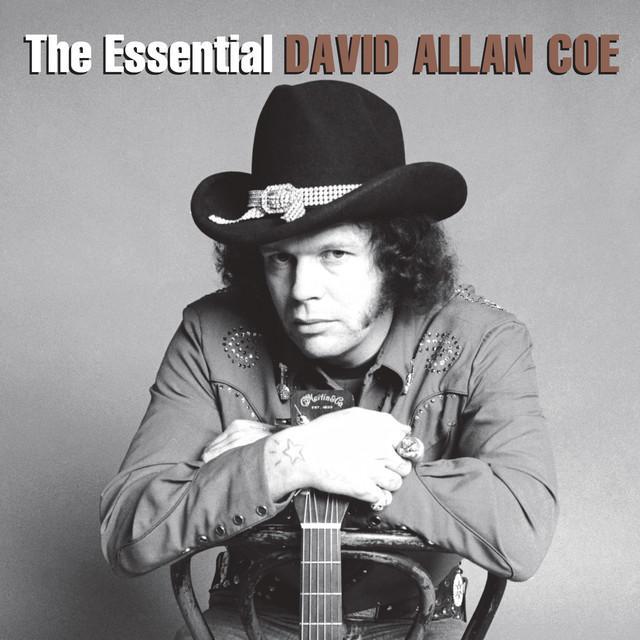
How Coe Claimed Outlaw Country in Willie, Waylon and Me
The Heart of the Song
The meaning of Willie, Waylon and Me David Allan Coe starts with identity. This is not just a roll call of famous names. It is Coe telling listeners where they should place him in the history of American music.
"Willie, Waylon and Me" - David Allan Coe
Just the beginning of
Everything music could be
Loading lyrics...
Unable to load lyrics
We're unable to display the lyrics at this time. Please try again later.
The song moves from rock and folk legends into Texas outlaw country, suggesting that one era of musical rebellion opened the door for the next. By the time the lyric reaches Willie Nelson and Waylon Jennings, Coe is not only admiring them. They are putting themselves beside them.
Interpretation: the song is part tribute, part self-mythology. It praises freedom in music, but it also argues that Coe belongs in that freewheeling circle.
Watch the official Willie, Waylon and Me
music video
From the Sixties to the Outlaws
One of the smartest things in the song is its timeline. It begins with the idea that The Beatles and The Rolling Stones changed what popular music could do. Then it mentions Janis Joplin and Bob Dylan, two artists tied to risk, feeling, and poetic ambition.
That setup matters. Coe is saying outlaw country did not appear from nowhere. It came after a broader cultural shake-up. When the singer describes being lost out on the sea
, the image suggests an artist drifting through that changing landscape, looking for a sound and a home.
Then Texas becomes the destination. The lyric turns to Outlaws
and finally to Willie and Waylon and me
. That last phrase is the point of the whole song: the speaker wants listeners to hear a trio, not a duo plus an observer.
Why the Chorus Matters So Much
The chorus gives the song its strongest claim. Instead of describing fame or chart success, it talks about music being free
, road life, and one night stands
with working bands. Those details frame outlaw country as a way of living, not just a style.
That is important for the meaning of Willie, Waylon and Me David Allan Coe because freedom is the real hook. The song treats freedom as artistic independence, regional pride, and resistance to polished Nashville rules.
Doing one night stands
and playing with our bands
Willie Waylon and me
In that brief refrain, the song boils outlaw country down to movement, labor, and fellowship. It is not glamorous. It is earned onstage, town by town.
A Public Claim, Not Just a Personal Memory
Context sharpens the song’s meaning. Coe was closely linked to the outlaw country wave, but they were also often viewed as an outsider, someone who could seem, in the words of an AllMusic review, almost too committed to the image. The song opens Rides Again in 1977, which makes it feel like a declaration before the album even settles in.
Factual context also matters here. Coe was a major songwriter and a controversial figure in country music, with a rebellious image and a long association with the 1970s outlaw movement, as summarized in this biographical overview. That background makes the song sound less like a casual shout-out and more like branding.
Interpretation: this is Coe writing themselves into a legend that was still forming. That can sound bold, insecure, or both at once.
The Tension Behind the Tribute
Part of what makes the track memorable is the tension inside it. On the surface, it honors Willie and Waylon. Underneath, it also asks for equal billing.
That helps explain the mixed reception around Coe’s place in outlaw country. Some listeners hear honesty: a gifted songwriter trying to claim hard-won kinship. Others hear self-promotion.
Both readings fit the lyric. The song admires larger-than-life figures, but it also refuses to stay in the audience. Coe does not say they were inspired by outlaws and stop there. They step directly into the frame.
How the Sound Supports the Message
Musically, the song works because it feels loose without falling apart. Rides Again is often noted for its cross-faded sequencing and heavily phased guitar, and Columbia even allowed Coe to use their own band on several tracks, an unusual concession for the label at the time.
That matters because the production mirrors the song’s subject. The guitars have a hazy, road-worn quality, while the groove feels lived-in instead of pristine. The performance sounds like musicians who value instinct over polish.
In plain terms, the track sounds like the freedom it praises. It does not chase elegance. It aims for swagger, movement, and a little dust around the edges.
What the Song Says About Belonging
At its core, the song is about belonging to a scene and a spirit. It links music history, counterculture, and Texas country into one story, then asks listeners to accept Coe as part of that chain.
That is why the title matters so much. If the song were only about Willie and Waylon, it would be a tribute. By adding and Me
, Coe turns admiration into argument.
Interpretation: the song’s emotional center may be hunger. Not hunger for money, but for recognition, status, and a place in the mythology of outlaw country.
Final Take on Its Meaning
So, the meaning of Willie, Waylon and Me David Allan Coe is bigger than a friendly name-drop song. It is a statement of artistic kinship, a defense of musical freedom, and a carefully staged claim to outlaw legitimacy.
That is also why it still sparks debate. It can sound sincere and self-inventing at the same time. In Coe’s world, those two things were rarely far apart.
Disclaimer: Song interpretation is never fully objective. This reading combines lyric analysis, historical context, and critical reception, but other listeners may hear different shades of meaning.







