What "Evil Priest" by Death Angel Really Means
A Thrash Horror Story With a Clear Target
The meaning of Evil Priest Death Angel comes through fast: this is a gruesome story about corrupted holiness. The song imagines a priest-like figure who should stand for peace, but instead becomes a source of terror, murder, and ritualized fear. Rather than offering comfort, he turns religion into a mask for cruelty.
"Evil Priest" - Death Angel
He wreaks of murder, his mind filled with sin
The sickening stench of blood on his breath
Loading lyrics...
Unable to load lyrics
We're unable to display the lyrics at this time. Please try again later.
That idea fits Death Angel's roots in the Bay Area thrash scene. The band formed in 1982 in the San Francisco area and became part of the genre's second wave, known for speed, precision, and vivid subject matter. Their history as an early thrash act is well documented at Wikipedia's Death Angel overview.
Watch the official Evil Priest
music video
When Sacred Power Turns Rotten
The Villain Is Built as a Walking Contradiction
The opening paints the priest as more monster than man. Phrases like fiery
and angel of death
give him an almost supernatural aura, but the song keeps grounding that evil in physical violence. He smells of blood, brings murder, and radiates dread.
This matters because the lyrics do not treat him as a misunderstood sinner. They frame him as a symbol of total moral collapse. He once represented order, but now he is the opposite of it.
The Backstory Sharpens the Theme
One of the song's key turns is the line about how he once was a clergy man
. That detail changes everything. The story is not just about a random killer; it is about a trusted figure whose vows have decayed into lust, violence, and blame-shifting.
Interpretation: this is where the song's real sting lies. It is less interested in theology than in hypocrisy. A man sworn to bring peace becomes the very thing a town should fear.
The Plot Moves Like a Slasher Film
The narrative is simple and effective, almost like a short horror movie:
- A monstrous priest appears as a force of fear.
- The town hears him coming and lives under threat.
- A sacrificial system takes hold.
- Bodies pile up while the community loses control.
- The priest's former holy status makes the evil feel even worse.
The repeated chorus images keep that panic in view. When the song says victims falling
, it pulls attention away from the killer's psychology and toward the town's suffering. That is important because the song's emotional center is not fascination with evil. It is collective fear.
Victims falling
Many died without a sound
Those two short lines sum up the song's coldness. Death happens so often that it starts to feel routine, which makes the priest seem even more unstoppable.
What the Religious Imagery Is Doing
"Angel of Death" Is a Metaphor Here
In religion and folklore, an "angel of death" can mean a divine messenger, a guide for souls, or an agent of judgment. In modern culture, it can also mean a human bringer of death. General background on that phrase varies by tradition, as summarized in discussions like this overview.
In this song, the phrase clearly works in the modern, condemnatory sense. The priest is not acting as a holy messenger. He is being branded as death wearing sacred clothing.
Satan Is Part of the Excuse, Not the Explanation
The lyrics say he blames his fall on Satan. That detail does not really excuse him. Instead, it shows a classic pattern: a man with power refuses responsibility and pushes guilt onto an outside force.
Interpretation: the song may be saying that evil often hides behind grand explanations. The priest's self-justification sounds religious, but the damage is human and immediate.
How the Sound Helps Sell the Meaning
Death Angel built their reputation in thrash metal, a style that uses speed, tight riffing, and aggressive vocals to create urgency. That musical identity is part of why this story works. A slow, reflective arrangement would soften the terror. Thrash does the opposite.
Fast drums and sharp guitar work make the town's danger feel constant. The vocal attack likely adds a barked, urgent tone that suits a mob-panicked narrative. Even without over-explaining every musical detail, the style itself tells listeners how to feel: hunted, pressed, and unsafe.
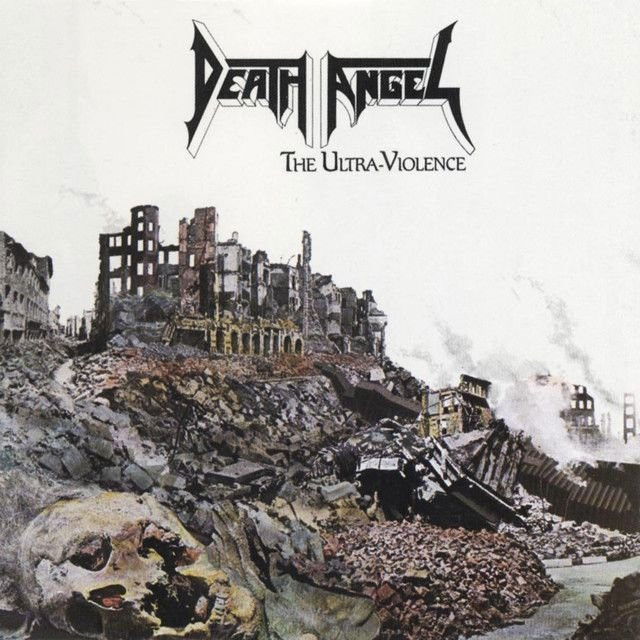
That approach also reflects Death Angel's early character. Their debut era stood out because the band members were very young but already technically strong, with The Ultra-Violence recorded while they were still teenagers, according to Wikipedia. Songs like this show how early thrash often used horror images to explore bigger fears.
A Story About Abuse of Authority
The most lasting meaning of the song is not the gore. It is the betrayal. The town does not just face a killer; it faces a killer wrapped in spiritual legitimacy. That makes the violence feel more invasive.
The lyrics also widen the horror by showing helpless civilians, including the pressure of sacrifice and the fear surrounding young women. The song's language is extreme, but the core idea is easy to follow: when authority loses its moral center, whole communities suffer.
Final Take on the Meaning of Evil Priest Death Angel
The meaning of Evil Priest Death Angel is best understood as a thrash-metal tale of religious corruption, public terror, and predatory power. Its horror imagery is exaggerated, but its theme is direct: a holy role becomes a cover for evil, and the people below that power pay the price.
Death Angel turn that idea into something cinematic and brutal. They do not ask listeners to admire the priest. They ask them to witness what happens when fear takes the place of faith.
Disclaimer: This interpretation is based on the lyrics, genre context, and available band history. As with many metal songs, some meanings remain open to listener interpretation.








