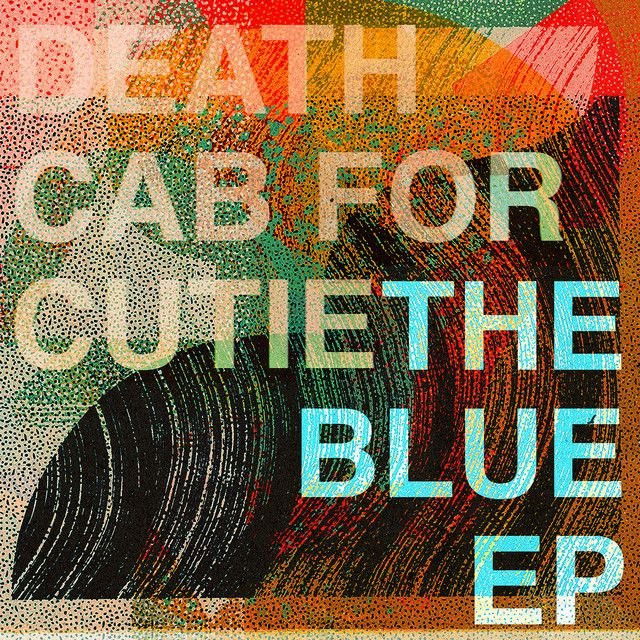
Why "Man In Blue" Feels So Gentle and Firm
For listeners searching for the meaning of Man In Blue Death Cab for Cutie, the song plays like a quiet conversation with someone who is hurting, distant, and hard to reach. It is tender, but it is not submissive. The speaker wants connection, yet they refuse to become a savior, a substitute lover, or a spiritual stand-in.
"Man In Blue" - Death Cab for Cutie
Why are you calling out
To an old love
Loading lyrics...
Unable to load lyrics
We're unable to display the lyrics at this time. Please try again later.
That balance is what gives the song its emotional power. Written by Benjamin Gibbard, the track fits a long-running Death Cab for Cutie pattern: intimate writing, plainspoken images, and a deep interest in emotional distance. The band, formed in Washington in 1997, built its reputation on reflective indie rock and songs about isolation, longing, and difficult relationships.
The Heart of the Song Is a Boundary
At its core, “Man In Blue” is about trying to understand someone without taking responsibility for fixing them. The speaker notices that this other person keeps reaching backward and upward instead of outward. They call out to old love
, and when they need help, they run to your Lord up above
.
Those details matter because they show a pattern. This person is not really present in the current relationship. They are caught between memory, faith, and private pain. The speaker does not mock that struggle. Instead, they say, in effect: they want to understand it, but they cannot become the answer to it.
That is why the repeated line man in blue
feels so important. Interpretation: “Blue” likely points to sadness, melancholy, or emotional caretaking. In many songs and stories, blue is the color of sorrow. Here it may describe the role of the comforting, dependable figure the other person expects to appear.

Watch the official Man In Blue
music video
Who Is Speaking, and to Whom?
The song sounds like one person speaking directly to another person they care about, perhaps a partner or would-be partner. The opening asks a simple but sharp question: if there is recognition and intimacy, why is this person still emotionally turned toward the past?
That makes the song feel less like an accusation and more like a moment of clarity. The speaker sees the cycle. They see prayer, nostalgia, and longing all mixing together.
I just want to understand you
I don't need to be your man in blue
This is the song’s clearest emotional statement. The first line offers empathy. The second creates a limit. Together, they say: they can care deeply without agreeing to carry someone else’s sadness.
How the Verses Build the Theme
Each verse adds another piece to the emotional picture. One image shows repetitive days and drops of rain
, suggesting ritual, routine, and hope that never quite becomes change. Then comes the idea of waiting for a flood to cleanse everyone. That image pushes the song into spiritual territory.
Interpretation: the person in the song may be waiting for total renewal instead of doing the slower work of healing. A flood is dramatic and absolute. It washes everything away at once. The speaker seems to question that kind of thinking.
Later, the song turns to music itself. The speaker asks whether the other person can hear their voice in high lonesome rejoice
, singing for them even if it is in and out of tune
. That is a beautiful contradiction. The voice is joyful and lonely at the same time.
That mixed feeling captures the song well. The speaker offers something human and imperfect, not divine and not ideal. Their voice may wobble, but it is real.
What “Man in Blue” Probably Means
The title phrase is unusual, and that makes it the key to the whole song. The song never fully defines it, so interpretation matters here.
Reading One: the sad rescuer
The most likely reading is that the “man in blue” is the role of emotional comforter. The speaker refuses to become the permanently patient figure who absorbs grief and waits for the other person to be ready.
Blue supports that reading because it signals sadness. In this sense, they are saying they do not want to be cast as the noble, melancholy man who exists mainly to heal someone else.
Reading Two: a holy or symbolic figure
Because the lyrics mention prayer and the Lord, “man in blue” may also echo religious imagery. Blue is often linked with the sacred in visual art. If so, the speaker may be rejecting the idea that a human partner can act like a holy redeemer.
That would explain why the song keeps moving between romance and religion. The other person seems to direct their need toward old love and heaven alike. The speaker cannot compete with either.
Why the Sound Matters So Much
Death Cab for Cutie have long been known for understated arrangements and emotionally precise performances. Ben Gibbard has also said he wants songs listeners can understand quickly, favoring clarity over obscurity. That approach fits “Man In Blue.”
The lyric works because it does not over-explain. The images are clean: names, old love, prayer, rain, flood, voice. Those simple elements leave room for feeling.
In a Death Cab setting, a song like this usually gains meaning from restraint. Soft dynamics, measured tempo, and careful vocal phrasing can make a boundary sound compassionate rather than cold. Even without dramatic language, the emotional conflict comes through: care without surrender, love without self-erasure.
Artist Context Helps Explain the Song
Looking at Death Cab’s broader history also helps. Across their catalog, Gibbard often writes about emotional separation, mismatched expectations, and people reaching for one another across invisible gaps. That has been true from the band’s early indie work through their major albums and later releases.
So the meaning of Man In Blue Death Cab for Cutie fits the band’s wider concerns. This is not a breakup anthem or a bitter attack. It is a mature song about what one person can and cannot do for another.
The Lasting Takeaway
What makes “Man In Blue” moving is its kindness. The speaker does not say the other person is wrong for being wounded, faithful, confused, or stuck. They simply say they cannot become the role that person seems to need.
That is why the song lands so hard. It understands that love is not the same as rescue. Sometimes the most honest thing a person can say is that they want to see someone clearly, and they want that person to see themselves clearly too.
Disclaimer: This interpretation is based on the lyrics, Death Cab for Cutie’s broader artistic themes, and publicly known context. As with most songs, listeners may hear valid meanings that differ.







