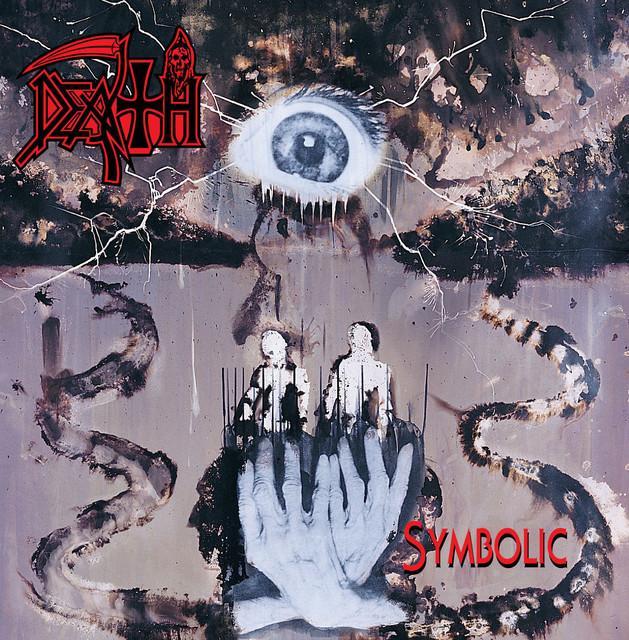
Crystal Mountain by Death
The meaning of Crystal Mountain Death is sharper than the song's title first suggests. This is not a fantasy story about a mystical place. It is a pointed attack on blind belief, hypocrisy, and the way power can hide behind sacred language.
"Crystal Mountain" - Death
Passed down from self-induced fantasy
Turn a page to justify
Loading lyrics...
Unable to load lyrics
We're unable to display the lyrics at this time. Please try again later.
Death released the track on Symbolic in 1995, with Chuck Schuldiner writing the song and leading a lineup that helped push the band into a more melodic and technical phase. That context matters because the band was no longer just trying to sound brutal. They were also writing with precision, using progressive structures and clear themes to make their criticism hit harder. According to widely cited discographies and album references, the song appears on Symbolic, one of Death's most acclaimed records (Death official discography, Encyclopaedia Metallum).
A polished image hiding something ugly
At its core, the song argues that institutions can present themselves as pure, holy, or untouchable while hiding cruelty underneath. The title image, Inside crystal mountain
, sounds bright and pure. But the chorus immediately undercuts that surface by saying evil takes shape there.
Interpretation: the "mountain" seems less like a place and more like an elevated system of belief. Crystal suggests beauty, clarity, and perfection. The song then flips that image, showing how something that looks clean can still be built on fear and control.
That is why the opening matters so much. The lyrics describe ideas Built from blind faith
and passed down as fantasy. In plain terms, the song says harmful beliefs can survive for generations when people stop questioning them.
Watch the official Crystal Mountain
music video
Where the song aims its anger
The verses focus on people who twist belief to justify harm. The line Turn a page to justify
points to selective reading of sacred or moral texts. The criticism is not just that people believe. It is that they choose the parts that support power, then ignore the damage done to others.
That idea becomes even more forceful with cross-turned dagger
. The phrase turns a religious symbol into a weapon. Paraphrased, the song suggests that moral authority is being used to wound rather than heal.
This is why many listeners do not hear the track as simply anti-faith. It sounds more like an attack on dogma, coercion, and hypocrisy. Interpretation: Death are targeting the abuse of belief, not every form of spirituality.
How the verses build the case
The song moves in a clear pattern:
- It starts by calling out inherited belief that goes unchallenged.
- It then shows how texts and traditions can be manipulated.
- Next, it describes the social result: traps, confinement, and punishment.
- Finally, it calls for resistance with
Shatter the myth
.
That last phrase is the song's clearest demand. It tells the listener to break false authority apart, not just notice it. The warning that follows suggests that empty words and rigid doctrine can still cut people even when dressed up as virtue.
The chorus turns judgment back on the judges
The chorus is memorable because it sounds huge, but its message is bitter. The mountain is supposed to stand for purity, yet inside it, commandments are remade in the image of those in power. In other words, moral law becomes a human tool.
Inside crystal mountain
Evil takes its form
That small chorus fragment captures the song's reversal. What should be holy becomes corrupt. What should guide people becomes a mask for domination.
Sound and structure matter too
Part of what makes the meaning of Crystal Mountain Death so enduring is how well the music supports the words. Symbolic is often praised for balancing death metal aggression with cleaner guitar phrasing, stronger hooks, and technical control (AllMusic, Encyclopaedia Metallum).
Here, the guitars do more than provide heaviness. The riffs feel cutting and exact, which fits a song about tearing through illusion. The groove gives the track momentum, while the lead work adds a strange, almost shining quality that matches the "crystal" image.
Schuldiner's vocal style matters as well. They deliver the lines with force, but not with chaotic blur. That clarity helps the critique land. The listener can feel the anger, but they can also follow the argument.
Why the song still connects
The song still resonates because its target is larger than one era or one church. It speaks to any system that claims moral superiority while using shame, fear, or violence to stay in control. That gives it a broader social meaning.
Interpretation: the song can apply to religion, but also to politics, culture, or any ideology that punishes dissent and rewards obedience. The image of traps set for those who stand in the way of the "divine" feels timeless because institutions still protect themselves that way.
For many fans, that is what makes the track powerful. It is intelligent without losing force. It questions authority without sounding preachy. And it wraps that challenge in one of Death's most accessible and memorable songs.
Final take on the message
The best way to understand "Crystal Mountain" is as a protest song in death metal form. It argues that when people stop thinking for themselves, authority can dress up violence as virtue.
That is the heart of the meaning of Crystal Mountain Death: beauty can conceal corruption, and belief without scrutiny can become a weapon. As with any lyric analysis, this reading is an interpretation based on the words, context, and musical presentation, not a confirmed single meaning from the artist.








