Why “I Like It” by DeBarge Still Feels So Warm
The meaning of I Like It DeBarge is easy to hear but worth unpacking. On the surface, it is a sweet love song about deep attraction. Under that surface, it is also about how desire can feel gentle instead of dramatic, and how romance can grow from everyday details rather than huge promises.
"I Like It" - DeBarge
'Bout you for quite a while
You're on my mind everyday and every night
Loading lyrics...
Unable to load lyrics
We're unable to display the lyrics at this time. Please try again later.
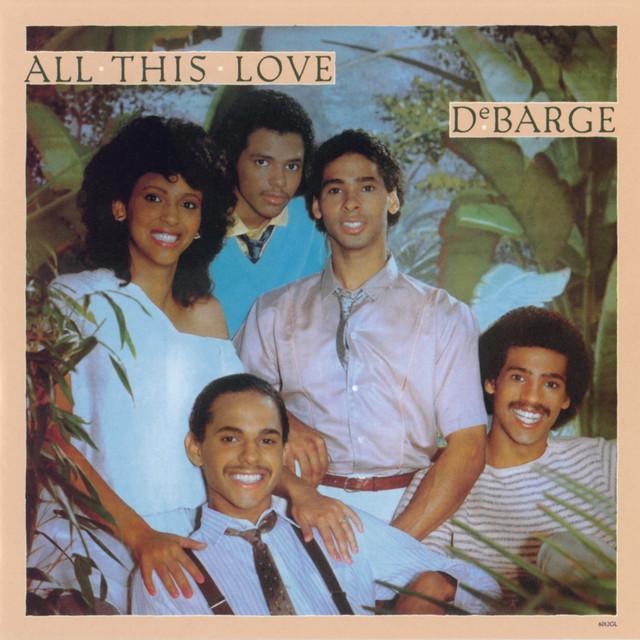
Released in 1982 as a single from All This Love, the song helped establish DeBarge as a major R&B act in the early 1980s. It reached No. 2 on the U.S. R&B chart and No. 31 on the Billboard Hot 100, giving the group one of its first major crossover moments (Wikipedia). That success matters because the song’s emotional directness is a big reason it still connects.
A Love Song Built on Simple Honesty
At its core, the song is about someone who cannot stop thinking about the person they love. The opening idea says that this person is on their mind all the time, day and night. That repeated focus creates the emotional base of the track: this is not a casual crush, but a full mental and physical pull.
The chorus boils that feeling down to one phrase, I like it
. That may sound almost too plain, but that is exactly why it works. Instead of dressing up the emotion with complicated language, DeBarge lets the feeling stay immediate and real. Interpretation: the song suggests that love can feel most convincing when it is stated plainly.
Another short phrase, send chills up my spine
, shows how attraction moves beyond thought into the body. The song is not abstract. It describes desire as something felt physically, almost like a shock.
Watch the official I Like It
music video
Small Details, Big Feelings
One of the smartest parts of the lyric is how it turns from intense attraction to everyday observations. The singer notices how the person looks, dresses, and behaves. The famous bridge centers on little things, including comb your hair
and stylish clothes you wear
.
That shift is important. The song is not saying love only lives in fantasy or passion. It says affection grows through attention. The speaker admires style, yes, but also care, tenderness, and effort. When the lyric points to little things you do
, it frames love as something visible in habits and gestures.
I like the way you comb your hair
And I like those stylish clothes you wear
That brief section is one reason the song has lasted. It takes a universal romantic feeling and puts it into concrete, memorable images. Many love songs talk about beauty in a broad way. This one makes beauty specific.
Who Is Speaking, and Why It Matters
The song uses a first-person voice, even though the article discusses it in third person. The speaker is clearly addressing a romantic partner directly. That direct address gives the track warmth and closeness, like a confession said face to face rather than a performance shouted to a crowd.
There is also a strong sense of admiration without control. The speaker is overwhelmed, impressed, and grateful. When they describe being blowin' my mind
, the tone is not angry or confused. It is delighted. Interpretation: this makes the song feel emotionally safe, which helps explain why listeners often hear it as tender instead of possessive.
How the Arrangement Carries the Meaning
The production does a lot of emotional work. According to available credits, the song was produced by El DeBarge and Iris Gordy, with lead vocals from Randy DeBarge and El DeBarge, plus rich group harmonies and a band arrangement that includes drums, guitars, bass, keyboards, and horns (Wikipedia).
That mix matters. The groove is smooth but not sleepy. The rhythm section keeps the song moving, while the keyboards and harmonies add softness. The horns and layered vocals give it a classic early-80s R&B glow.
The vocal contrast is especially important. Randy’s verse delivery feels grounded and conversational, while El’s higher bridge and ad-libs lift the song into something dreamier. In an anecdote repeated by Unsung and summarized on Wikipedia, Iris Gordy reportedly pushed El toward the higher final ad-libs, a choice that helped make the hook more distinctive (Wikipedia). Whether listeners know that story or not, they can hear the result: the song rises emotionally just when it needs to.
Why the Song Became a Long-Term Favorite
The meaning of I Like It DeBarge has lasted because it balances innocence and sensuality. It is romantic, but not heavy-handed. It is sexy, but never crude. It admires outward style and inner care at the same time.
That balance made the song highly reusable in later music. Its bridge and melody have been covered, sampled, and interpolated by many artists, including Nelly, LL Cool J, Beyoncé, and Rihanna, according to documented references collected by Wikipedia. That kind of afterlife usually means one thing: the original captured a feeling so clearly that other artists wanted to borrow its mood.
The Best Way to Read Its Message
A useful reading is this: the song celebrates being fully charmed by someone, not because they are unreachable, but because they feel vividly present. Their voice, their look, and their care all matter. Love here is not epic tragedy. It is pleasure, comfort, and spark all at once.
That is why the title phrase stays so effective. I really, really like it
sounds almost childlike, but that simplicity is the point. The song treats intense affection as something joyful and easy to admit.
Final Take on Its Lasting Appeal
DeBarge turned a basic phrase into a full emotional world. Through small details, warm production, and layered vocals, the song presents romance as both exciting and tender. That is the heart of the meaning of I Like It DeBarge: love feels biggest when it notices the smallest things.
Disclaimer: This interpretation blends documented facts about the song’s release and production with lyrical analysis. Meaning can vary from listener to listener.








