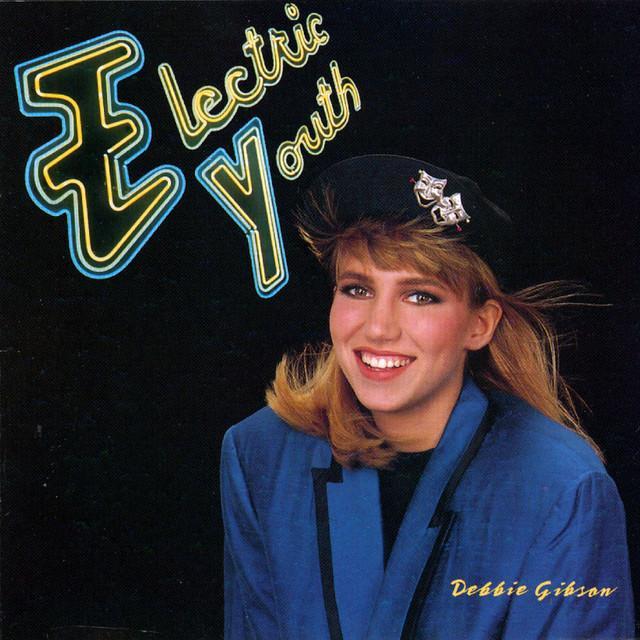
What 'Lost in Your Eyes' Really Means
The meaning of Lost in Your Eyes Debbie Gibson starts with a simple idea: love can feel both dizzying and safe at the same time. Debbie Gibson’s 1989 hit turns that emotional contradiction into a soft, soaring pop ballad. It is about the moment when attraction becomes something deeper, and when uncertainty itself starts to feel beautiful.
"Lost in Your Eyes" - Debbie Gibson
And I feel my spirits rise
And soar like the wind
Loading lyrics...
Unable to load lyrics
We're unable to display the lyrics at this time. Please try again later.
Released as the lead single from Electric Youth in January 1989, the song became Gibson’s biggest hit, reaching No. 1 on the Billboard Hot 100 for three weeks, according to the research provided from Wikipedia and Stereogum. Just as important, it showed that she was not only a teen pop star but a serious songwriter. Research also confirms that the song was written by Debbie Gibson, credited as Deborah Gibson, not Tom Petty.
A Love Song About Sweet Surrender
At its core, the song describes someone realizing they are falling in love. The feeling is so strong that it seems to lift them out of everyday life. Early lines like lost in your eyes
and spirits rise
frame love as a physical and emotional change. They are no longer standing on solid ground; they are floating.
What makes the lyric effective is its innocence. The narrator does not sound jaded or guarded. Instead, they are almost surprised by how quickly this person has affected them. Phrases like Is it love
and what's called romance
show someone naming these feelings in real time. That uncertainty gives the song its sincerity.
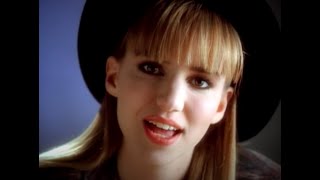
Watch the official Lost in Your Eyes
music video
The Key Emotional Twist: Lost, Yet Found
The smartest part of the writing is how it redefines the word “lost.” Usually, being lost means confusion or fear. Here, being lost becomes a kind of trust. The narrator admits they do not fully know where this relationship is going, but they are willing to go there anyway.
That idea peaks in the song’s most revealing passage:
If I can't find my way
I'll be found
when I am lost in your eyes
Paraphrased, the singer suggests that even when life feels unclear, this other person offers direction. Interpretation: that makes the song more than a basic crush anthem. It becomes a ballad about emotional refuge. Love is not just exciting; it is stabilizing.
How the Verses Build the Story
There is not a complicated plot here, but there is a clear emotional timeline:
- The narrator feels an immediate pull.
- They wonder whether this is real love.
- They accept the risk of not knowing the future.
- They decide this connection makes them feel whole.
That progression is why the song feels bigger than its plain language. Gibson keeps the details broad, which lets listeners project their own memories onto it. Stereogum described it as a “textbook love song,” and that fits: the lyrics are not loaded with specifics, but they are strong at capturing the sensation of first love.
Debbie Gibson's Youth Matters to the Meaning
Artist context matters here. Gibson was still a teenager when the song arrived, and she had already built a reputation as a young artist who wrote her own material. Research from Songfacts and Stereogum notes that she had performed the song on tour before release, and audience response hinted that it had hit potential.
That background shapes how the song lands. When a very young songwriter sings about not fully understanding love yet wanting to trust it, the emotion feels believable. This is not a cynical adult looking back. It sounds like someone living the feeling in the present.
Research also notes that Gibson said the song was not written about one specific person. That matters because it explains why the lyric feels universal. Rather than telling one private story, she wrote a feeling that many people can recognize.
Why the Sound Feels Like a Daydream
The production helps carry the song’s meaning. Research describes the track as a piano ballad with clear late-1980s touches: synth strings, gated drums, and layered vocals. All of that gives the song a glossy, cloudlike atmosphere.
The piano is especially important. In a quote preserved by Stereogum from Fred Bronson’s Billboard work, Gibson said she wanted the piano to be the focus because a strong song should speak for itself. That choice matches the lyric’s emotional directness. The melody does not hide behind irony or complexity; it opens up and lets the feeling bloom.
Her vocal performance does the same thing. She sings with control, but not with distance. The softness in the verses and the lift in the chorus mirror the song’s central movement from uncertainty to emotional release. Interpretation: the arrangement makes listeners feel what the lyric says—weightless, hopeful, and slightly overwhelmed.
A Bigger Meaning Beneath the Romance
On the surface, this is a straightforward love ballad. But there is a slightly deeper reading available. The lyric pairs romance with near-spiritual language, especially when it compares the feeling to heaven and salvation. That does not make it a religious song. Instead, it suggests that deep attraction can feel transcendent, almost like stepping outside ordinary life.
Another possible reading is that the song captures the appeal of vulnerability itself. The narrator is not powerful because they stay in control. They become powerful by letting go. In that sense, the song argues that intimacy requires surrender.
Why the Song Still Connects
Part of the reason the song endures is that it expresses a common feeling in clear language. It is grand without being complicated. It is tender without sounding weak. And because Gibson wrote and helped produce it, the performance carries extra authority.
For anyone searching for the meaning of Lost in Your Eyes Debbie Gibson, the answer is this: it is a song about the first overwhelming stage of love, when another person seems to blur fear, raise hope, and make uncertainty feel worth facing.
That reading is an interpretation based on the lyrics, production, and documented context around the song.







