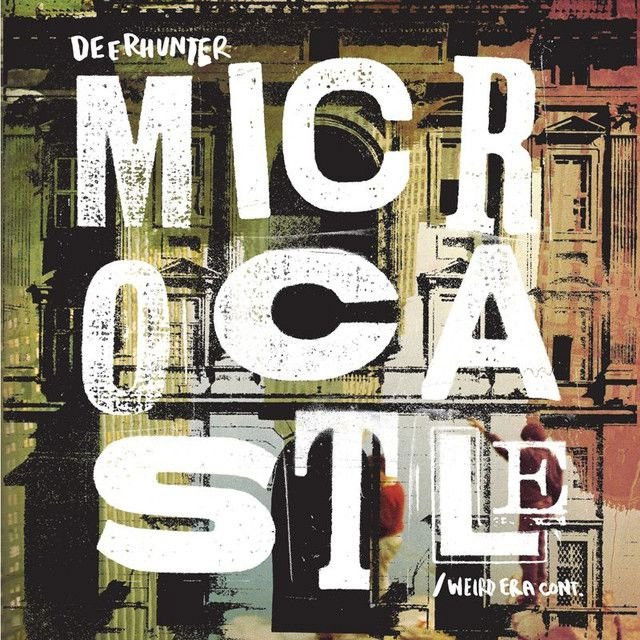
Agoraphobia by Deerhunter
The meaning of Agoraphobia Deerhunter starts with a strange contradiction: the song sounds soft and comforting, but its words describe retreat, erasure, and surrender. Instead of asking for freedom, the speaker imagines safety in limits. That tension is what gives the song its power.
"Agoraphobia" - Deerhunter
Comfort me, comfort me
Cover me cover me
Loading lyrics...
Unable to load lyrics
We're unable to display the lyrics at this time. Please try again later.
Deerhunter released "Agoraphobia" on Microcastle in 2008, a key album in the band’s catalog. The group was led by Bradford Cox, with Lockett Pundt as a major creative partner, and the song is credited to both writers. Factually, Deerhunter came out of Atlanta’s indie and alternative scene, and Microcastle helped establish their reputation for mixing dream-pop beauty with emotional unease.
A Quiet Song About Wanting to Disappear
At its core, the song presents a speaker who no longer wants openness or possibility. Instead, they crave enclosure. Early on, they imagine four walls made of concrete
, which turns a normal image of shelter into something more severe.
That image matters because it is not just about being indoors. It suggests a wish to be sealed off from risk, noise, and feeling. The repeated requests to comfort me
and cover me
make that withdrawal sound almost infant-like, as if the speaker wants protection so complete that they no longer have to face the world.
Interpretation: This can be heard as a song about agoraphobia in the literal sense, but it also fits depression, burnout, or emotional overload. The fear may not be open spaces alone. It may be life itself.

Watch the official Agoraphobia
music video
Why the Title Feels Ironic
The title points to fear of public or open environments, but the lyrics go a step further. The speaker does not merely avoid the outside world; they actively long for confinement. They do not sound trapped against their will. They sound seduced by the idea of disappearance.
That is why the song feels so unsettling. Many songs about loneliness ask for rescue. This one asks for reduction. When the singer says I want to fade away
, they are not describing a passing mood. They are imagining a state where identity, speech, and even sight begin to dissolve.
The Verse Images Turn Isolation Into a System
One of the sharpest details is the mention of being watched, fed, and enclosed. The line about see me on video
introduces distance and surveillance. The speaker exists, but only as an image. They are present, yet detached from ordinary human contact.
Then the line feed me twice a day
makes the fantasy more institutional. It suggests dependence and routine, almost like imprisonment, hospitalization, or self-erasure turned into daily maintenance. The speaker does not ask for a rich life. They ask for enough to keep going while fading from view.
This is where the song becomes larger than its title. It is not just about fear. It is about trading freedom for numbness.
Blindness, Silence, and the End of Expression
In the later lines, the speaker imagines what prolonged isolation would do to the body and mind. They admit that eventually they would go blind, but then question the value of sight itself. The song suggests that seeing can become another form of bondage, because perception ties a person to painful reality.
That leads to an even sadder idea: the loss of voice. When they say they have nothing left to say
, the song reaches emotional bottom. This is not dramatic anger. It is depletion.
And after some time I know I would go blindBut seeing only binds the vision to the eye
These lines present one of the song’s deepest ideas. The speaker imagines escape not as healing, but as a shutdown of the senses. If feeling and perceiving are too painful, then numbness starts to look like peace.
How Deerhunter’s Sound Deepens the Meaning
A big reason the song lands so hard is its production. Deerhunter wrap these bleak ideas in slow, drifting instrumentation. The guitars feel blurred at the edges, the rhythm moves gently, and Bradford Cox’s vocal sounds distant but intimate at the same time.
That contrast is essential. If the music were harsh, the meaning would be obvious. But because it is dreamy and almost warm, the song lets listeners feel the appeal of retreat before they fully register its sadness. The arrangement makes enclosure sound comforting.
Interpretation: That softness may be the point. The song does not just describe withdrawal; it seduces the listener into understanding why someone might want it.
Artist Context Matters Here
Bradford Cox’s songwriting often circles memory, illness, alienation, and fragile identity, which makes "Agoraphobia" feel consistent with Deerhunter’s larger body of work. The band’s alternative style often pairs pretty textures with uneasy themes, and this song is one of their clearest examples of that approach.
Because Cox and Pundt wrote it together, the song also fits Deerhunter’s broader emotional palette rather than reading as a diary entry that can be reduced to one biographical fact. It is more useful to hear it as art that channels inner distress into vivid, stripped-down images.
The Lasting Meaning of Agoraphobia Deerhunter
So what is the meaning of Agoraphobia Deerhunter? Most clearly, it is about the desire to escape exposure by shrinking one’s world down to almost nothing. It turns comfort into confinement, and safety into self-erasure.
Its genius lies in how calmly it delivers that idea. The song does not scream its pain. It whispers it. That makes the emptiness feel more believable, and more haunting.
For many listeners, the song resonates because it captures a feeling they may not want to admit: sometimes the world feels so overwhelming that disappearance can sound like relief. Deerhunter turn that thought into a beautiful, unsettling meditation on isolation.
Disclaimer: This interpretation is based on the lyrics, recorded performance, and publicly known context. As with most songs, listeners may reasonably hear different meanings in it.







