Another Hit And Run by Def Leppard
A fast, sneering song about disrespect, fading power, and people who strike first and dodge blame.
"Another Hit And Run" - Def Leppard
Provided by LyricFindUnion Jack is back
With a hole in his head
He's gettin' badlyLoading...Loading lyrics...
Unable to load lyrics
We're unable to display the lyrics at this time. Please try again later.
Why the song still hits hard
The meaning of Another Hit And Run Def Leppard comes down to pressure and backlash. They present a speaker who feels mocked, provoked, and worn down by someone who causes damage and then disappears from responsibility. The title phrase turns that behavior into a blunt image: a person lands the blow, then leaves the mess behind.
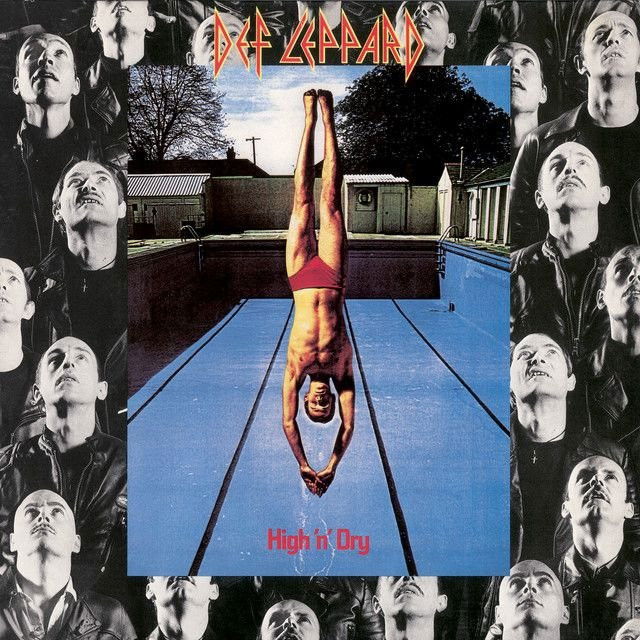
This track appeared on High 'n' Dry in 1981, the band’s second album, a record widely noted as an early breakthrough in their rise from the New Wave of British Heavy Metal toward arena rock success. It was produced by Robert John “Mutt” Lange, whose work with the band is well documented in standard album references and band histories. Def Leppard’s own catalog and major music references also credit the song to Joe Elliott, Pete Willis, Steve Clark, Rick Savage, and Rick Allen.

Watch the official Another Hit And Run
music video
The core message beneath the chorus
At the center of the song is a complaint about repeated disrespect. The speaker is not just annoyed; they feel targeted by someone who plays games, ignores limits, and then looks for comfort afterward. When the chorus repeats hit and run
, it frames the whole conflict as a pattern rather than one single event.
Interpretation: this is less about physical action than emotional or social behavior. The offender lashes out, causes harm, and avoids consequences. That reading fits the repeated emphasis on attitude, mockery, and lack of respect.
A narrator surrounded by broken authority
One reason the lyrics stand out is their strange, sharp imagery. The song opens with Union Jack is back
and then quickly undercuts that symbol with damage and decay. Later, another image appears in The bulldog's lost his bite
. Both symbols are strongly British, and both are shown as weakened.
Interpretation: they may be using national symbols to mock old authority, empty pride, or outdated toughness. Instead of noble strength, these images feel battered and embarrassing. The line about respect for authority
becomes more layered because the song seems torn between demanding respect and doubting whether authority still deserves it.
That tension gives the track more bite than a simple complaint song. It sounds like they are frustrated with a person, but also with a wider culture of posturing and decline.
How the verses build the conflict
The verses work like snapshots of humiliation and irritation. Someone laughs at the speaker, invades their space, and dominates the room. Even the detail about old songs blasting from the speakers suggests a clash between stale nostalgia and the band’s younger, louder identity.
Then the accusation becomes direct: dirty tricks
and the refusal to own them. The song’s drama depends on that switch from surreal image to plain grievance. First there is ridicule, then there is the naming of the offense.
A quick timeline of what happens
- A symbolic figure returns already damaged.
- The speaker feels mocked and crowded out.
- Authority is challenged or exposed as weak.
- The chorus labels the behavior as a recurring strike-and-escape cycle.
That structure helps explain why the song feels so urgent. It does not tell a long story; it piles up pressure and releases it through the refrain.
Why the sound matters as much as the words
Musically, this is classic early Def Leppard: hard-edged riffs, quick pace, and a chorus built to hammer home one idea. The band had not yet reached the ultra-polished pop-metal sheen of Pyromania or Hysteria. On High 'n' Dry, they still sounded leaner and more aggressive, which suits the song’s anger.
The guitars do a lot of meaning-making here. Pete Willis and Steve Clark’s attack feels clipped and confrontational rather than dreamy or heroic. Rick Allen’s drumming drives the song forward with very little room to breathe, which mirrors the feeling of being pressed or harassed.
Joe Elliott’s vocal is also important. He does not sing this as a wounded ballad. He spits it out with swagger and irritation, which keeps the song from sounding helpless. In a Rolling Stone feature, Elliott reflected on the band’s past in a way that shows how strongly personality shaped early Def Leppard songs. That same oversized confidence runs through this performance.
Two strong ways to read the song
Reading one: a personal attack song
The most straightforward reading is that they are confronting one specific person. In this view, the lyrics describe a bully, manipulator, or rival who humiliates others, crosses lines, and then asks for support after causing damage.
Reading two: a swipe at hollow nationalism or old rock attitudes
The British symbols invite another interpretation. The song may also be mocking a worn-out image of power: patriotic symbols, aging swagger, and stale cultural authority that still demands respect without earning it.
These readings can coexist. The song works because it stays broad enough to feel personal and social at once.
What the chorus really leaves behind
The hook is simple, but that simplicity is the point. By ending again and again on another hit and run
, they suggest exhaustion. This has happened before, and it will probably happen again. The phrase becomes a verdict on a whole pattern of behavior.
That is why the song still lands. It is not only about anger. It is about recognizing a cycle and naming it clearly.
Final takeaway on the song's meaning
The meaning of Another Hit And Run Def Leppard is rooted in repeated disrespect, fading authority, and the anger that comes from being used as a target. Through blunt language, British imagery, and relentless hard-rock momentum, they turn frustration into something catchy and sharp.
Interpretation disclaimer: song meanings are never fully fixed. This reading is based on the lyrics, the band’s era, and the track’s musical context, but listeners may hear different layers in the same song.








