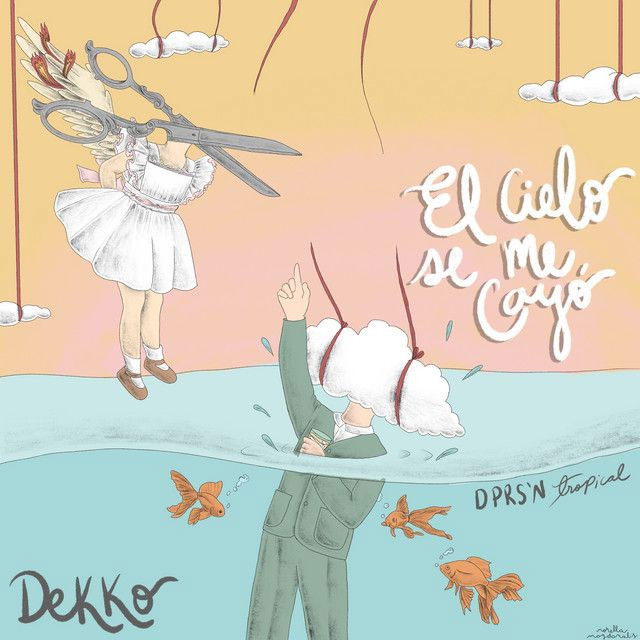
Why DEKKO’s Heartbreak Feels So Huge
The meaning of El Cielo Se Me Cayó DEKKO comes through fast: this is a breakup song about shock, betrayal, and the strange way confidence tries to return after a person gets hurt. The title itself sets the tone. When DEKKO says el cielo se me cayó
, they are not describing a small disappointment. They are describing a world that suddenly stopped feeling safe.
"El Cielo Se Me Cayó" - DEKKO
D-DEKKO
Bololo-bololo
Loading lyrics...
Unable to load lyrics
We're unable to display the lyrics at this time. Please try again later.
The lyrics move from romance to ruin, then from ruin to a rough kind of recovery. That emotional swing is what gives the song its pull.
A Love Story That Breaks in the Middle
At the start, the relationship is imagined as lasting forever. The song opens with promises about growing old together and staying united hasta se caiga el cielo
. In plain terms, they picture a bond that can survive anything.
That setup matters because the chorus flips it. The sky does fall—at least emotionally. The person who once believed in forever now feels blindsided. They stress that they did not see it coming, and that is a key part of the pain. This is not just heartbreak; it is heartbreak mixed with disbelief.
Interpretation: the song suggests that betrayal hurts most when it interrupts real peace. The line about being happy before the collapse shows that the speaker was not waiting for disaster. They were comfortable, trusting, and fully inside the relationship.

Watch the official El Cielo Se Me Cayó
music video
The Chorus Turns Pain Into an Image
The central image is simple and effective. Instead of saying “I was devastated,” DEKKO uses collapse on a cosmic scale. That makes the emotion easy to feel even for listeners who do not speak Spanish fluently.
Another important phrase is nadie me avisó
. In context, that idea means nobody warned them that the relationship was unstable. The speaker feels almost naïve, but not foolish. They are trying to process how something beautiful became harmful without clear signs.
Then the song adds one of its strongest contrasts: un angelito me enamoró
and later me traicionó
. First, the other person appears innocent and almost holy. Then that same figure becomes the source of betrayal. The emotional effect is sharp because the image changes from comfort to danger without losing its sweetness.
The “Little Angel” Is the Song’s Best Symbol
The “angelito” image carries much of the song’s meaning. In many love songs, angel language signals purity, beauty, or idealization. Here, DEKKO keeps that softness but turns it inside out.
The person is still remembered as magnetic and special. The speaker talks about being marked by affection and intimacy, even describing those moments with tenderness. But the song also says this “angel” became destructive. That contradiction is the point.
Interpretation: DEKKO may be showing how heartbreak often begins in idealization. A person seems perfect, so their betrayal feels bigger than it might otherwise. The problem is not only what they did. It is also what they represented.
There is another image that supports this reading: flying too close to the sun. That detail suggests pride, excess, or self-destruction. In other words, the song does not describe the ex as purely evil. It hints that they may have been reckless, unstable, or unable to protect something good.
From Hurt to Ego: The Second Half Changes Tone
One reason the song works is that it does not stay in one emotional lane. After the most wounded lines, it starts to toughen up. The speaker admits the breakup hurt, but they also claim they moved on.
That shift can sound defensive, and that is part of its honesty. Many breakup songs move this way: first grief, then bravado. DEKKO leans into that pattern with nightlife details, alcohol, and a more public kind of energy. The sadness becomes performance. They want to feel powerful again.
Interpretation: this does not fully erase the pain. Instead, it shows the messy middle stage of recovery, where someone is still hurting but trying to turn survival into style.
How the Sound Likely Carries the Message
Based on the lyrics and DEKKO’s broader Latin urban style, the song likely blends melodic reggaetón-pop with a rhythmic, bounce-heavy beat. That matters for the meaning of El Cielo Se Me Cayó DEKKO because the production probably creates a useful contrast: the body wants to move while the words describe emotional collapse.
That contrast is common in modern Latin pop and reggaetón. It lets artists package heartbreak in a form that feels social, singable, and replayable. A bright hook can make sad lines land even harder, because the listener feels the tension between pain and momentum.
The vocal writing also appears built for repetition. The chorus uses direct phrasing and a strong title line, which helps the emotional metaphor stick after one listen.
What the Song Is Really Saying
If they strip the song down to its message, it says three things:
- Love can feel permanent right before it breaks.
- Betrayal is worse when the other person seemed pure.
- Recovery often begins as a performance of strength.
That is why the song feels larger than a basic breakup track. It is not only about being left. It is about the collapse of a personal reality.
Final Take on DEKKO’s Message
In the end, the meaning of El Cielo Se Me Cayó DEKKO is about the shock of watching devotion turn into damage. The song uses big images—the sky falling, an angel betraying trust—to show how heartbreak can feel total.
What makes it memorable is the turn after the fall. DEKKO does not remain frozen in sadness. They push toward pride, movement, and survival, even if the wound is still fresh.
Disclaimer: This interpretation is based on the provided lyrics and publicly available song information. As with any song, listeners may connect with different meanings.







